Lasers.Laser hair removal and laser treatments in Brentwood, Downtown LA, Pasadena, Costa Mesa, and San Jose
Chosen for your skin, not the other way around. Skin type is one of the first considerations in any laser treatment, not a footnote. Different wavelengths and technologies interact with pigment, blood vessels, water, and tissue in different ways. The device matters, but so do the settings, technique, and experience of the person using it.
Our laser and energy-based technologies allow us to treat concerns involving pigmentation, redness, blood vessels, unwanted hair, acne scars, texture, pores, sun damage, wrinkles, and skin laxity.
You do not need to know which product, laser, or procedure to choose before you arrive. That is our job.
Your plan and cost are set at your consultation
Where to start
Start with the concern, not the device.
Each device has a different purpose. We select the technology, wavelength, depth, and settings based on your skin rather than asking your skin to fit a particular device.
Laser hair removal in Brentwood and at all five offices.
Laser hair removal works by targeting pigment in actively growing hair follicles. Because not every follicle is in the same stage of growth at the same time, treatment requires a series of appropriately spaced sessions.
Darker skin contains more pigment, which makes wavelength selection, settings, and technique especially important. Results vary by treatment area, hair color, hormonal influences, and consistency with the recommended schedule.
Our hair removal lasers are FDA-cleared for permanent hair reduction, which the clearance defines as a long-term, stable reduction in the number of hairs regrowing, measured 6, 9, and 12 months after a course of treatment. That is not the removal of every hair. When hair regrows, there tends to be less of it, and some people need maintenance sessions.
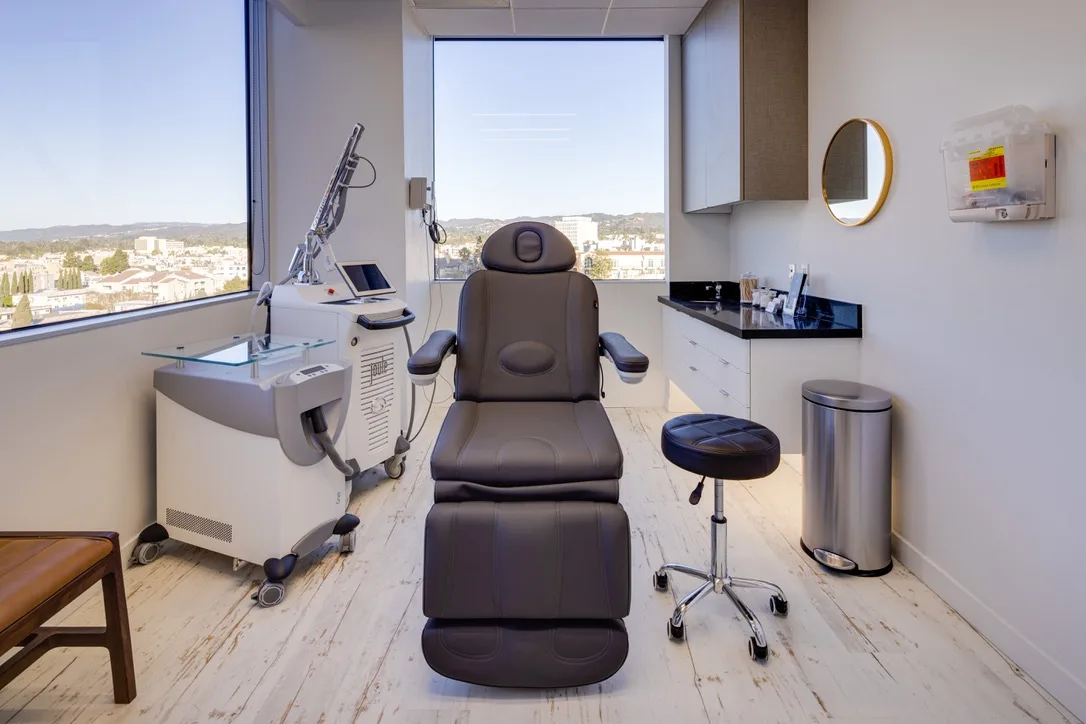
Clarity II and Sandro DualFDA-cleared in Fitzpatrick skin types I to VI, hair removalFDA-cleared hair removalThese dual-wavelength platforms allow us to treat unwanted hair, pigmentation, and selected vascular concerns across a broad range of skin tones.Both are FDA-cleared for permanent hair reduction on skin types I to VI, including tanned skin (Clarity II, 510(k) K183566; Sandro Dual, K200110 and K252877; checked 8 November 2026).Clarity II: Brentwood, Downtown LA, Pasadena, San Jose. Sandro Dual: Costa Mesa.
Brentwood offers comprehensive medical dermatology along with particular depth in injectables, advanced lasers, resurfacing, and skin tightening.
Melasma is especially sensitive to heat and inflammation. An overly aggressive treatment can trigger rebound pigmentation and leave the skin darker than before. It is also more common in deeper skin tones and can easily be mistaken for ordinary sun damage.
We treat melasma conservatively, using carefully selected devices and settings when appropriate. Laser treatment is usually only one part of the plan, which may also include sun protection, prescription medication, and gentle, barrier-supporting skincare. With melasma, consistency and patience are often more effective than intensity.
Lasers can make melasma worse. In a review of laser treatment for melasma, aggressive treatment was linked to rebound darkening, and too much total energy to light spots that can last, more often in darker skin. Melasma also often returns after treatment stops, and sun protection helps keep it from coming back.
Hollywood SpectraBy changing the wavelength, handpiece, and settings, we can address concerns such as unwanted pigmentation, uneven tone, and selected tattoos.Its FDA clearance lists treatment of melasma with the 1064 nm laser, and names no skin types (510(k) K213569, checked 8 November 2026).Available at: Downtown LA, Brentwood, Pasadena, San Jose.
Rosacea can involve persistent redness, visible blood vessels, flushing, inflammation, or a combination of these concerns. Vascular lasers and light-based devices can target visible vessels and background redness, but they do not address every component of rosacea.
We first determine what is driving the redness, then decide whether an energy-based treatment, prescription medication, skincare, or a combination approach makes the most sense.
DermaV and V-LaserDermaV and V-Laser are designed to treat vascular and pigment-related concerns. Different wavelengths, pulse durations, and settings allow us to target visible blood vessels, persistent redness, and selected pigmentation with greater specificity.Available at: DermaV: Downtown LA, Brentwood, Pasadena, San Jose. V-Laser: Costa Mesa.
Clarity IIAvailable at, for vessels: Downtown LA, Brentwood, Pasadena, Costa Mesa.
The FDA clearances for DermaV, V-Laser, and Clarity II each name rosacea and telangiectasia among the vascular lesions their 1064 nm laser is cleared to treat, with no skin types named for that use (510(k) K203788, K231054, K183566; checked 8 November 2026).
A raised scar, a depressed scar, and a scar that is primarily discolored are different problems that happen to share a name. Keloids require another approach entirely, and the wrong treatment can make them worse.
We begin by identifying the type of scar and what is creating its appearance. That determines the technology, treatment depth, settings, and whether laser treatment is appropriate at all.
Many scars respond better to a combination of treatments than to a laser alone.
Tattoo-removal lasers break pigment into smaller particles that the body gradually clears. Because different ink colors, depths, and densities respond differently, most tattoos require multiple treatments spaced over time. Complete removal is not always possible.
The number of sessions depends on the ink, location, age of the tattoo, skin tone, and how the tattoo was applied. We set expectations based on the individual tattoo rather than promising a fixed number of visits.
Hollywood SpectraFDA-cleared for tattoo removal of dark inks (black, blue, and brown) at 1064 nm and light inks (red, tan, purple, orange, sky blue, green) at 532 nm, with no skin types named (510(k) K213569, checked 8 November 2026).Available at: Downtown LA, Brentwood, Pasadena, San Jose.
TriBeam Pro TriBeam, made by Jeisys Medical, is an Nd:YAG laser cleared for the same dark and light tattoo inks as Hollywood Spectra (510(k) K251464, October 2025). Its clearance names no skin types.Available at: office to confirm.Looking for a pico laser? See how it compares.
A laser cannot safely break down every layer of ink in one session, and after a full course some ink may still show.
Skin resurfacing, RF microneedling, and enlarged pores.
Skin resurfacing exists along a spectrum. Gentle nonablative treatments may require little downtime and produce gradual improvement, while deeper ablative treatments, including fractional CO₂ resurfacing, can create more significant change but require more recovery. The right treatment is not automatically the strongest one. It is the one that appropriately balances the amount of correction your skin needs with the downtime, risk, and recovery you can accommodate.
Radiofrequency microneedling combines controlled microneedling with energy delivered beneath the skin's surface. This allows treatment at selected depths while stimulating collagen remodeling in the surrounding tissue. It can be useful for acne scars, uneven texture, enlarged pores, and mild skin laxity. Settings and treatment depth should be adjusted for the concern, anatomical area, and skin type.
Pore visibility is influenced by oil production, congestion, skin texture, and the collagen surrounding each pore. No treatment can permanently erase pores, and an immediate improvement usually reflects cleaner pores and smoother skin rather than a true structural change. Over time, treatments that improve oil control, texture, and collagen support can make pores appear smaller.
Skin tightening, neck tightening, and body contouring.
Skin-tightening treatments use controlled energy to stimulate collagen remodeling beneath the surface. Improvement develops gradually over several weeks to months and is generally most appropriate for mild to moderate skin laxity. These treatments can create meaningful improvement, but they do not reproduce the result of surgery.
The neck is not simply an extension of the face. Its skin is thinner, its anatomy is different, and it moves constantly with speech and swallowing. We evaluate the neck as its own treatment area and adjust the technology, depth, and settings accordingly.
Body-contouring treatments are designed to refine specific areas by reducing localized fat or improving muscle tone. They are not treatments for overall weight loss, and we are direct about what they can realistically accomplish before recommending them.
Hair thinning has many possible causes, and treatment should begin with the correct diagnosis. Laser and light-based therapies may help support hair growth in appropriately selected patients, but they are rarely the entire answer.
We first evaluate why the hair is thinning and then build a treatment plan that may include topical, oral, injectable, or energy-based options. The goal is not simply to stimulate the scalp, but to treat the underlying condition whenever possible.
KeraLase combines the LaseMD Ultra laser with a topical scalp serum. Hair growth is not a cleared use: the LaseMD clearance covers soft tissue coagulation, actinic keratosis, and benign pigmented lesions, and we found no FDA clearance for hair growth for this combination. Your dermatologist explains why it may still be part of a plan.
Not every laser is appropriate for every skin tone. We selected a range of wavelengths and technologies so we can choose a safer, more appropriate option rather than forcing one platform to do every job.
Many energy treatments are used in skin of color when the device and settings are chosen for the skin. Melanin absorbs some laser energy, so settings that are too strong can cause dark spots (post-inflammatory hyperpigmentation), or less often light spots, and light spots can be long-lasting.
Most side effects of laser treatment are minor and short-lived, such as redness and swelling. Less often, lasers can cause blistering, burns, scarring, or lighter or darker skin, and some changes in skin color are permanent. After tattoo removal, light or dark spots tend to fade within 6 to 12 months.
An FDA clearance that names skin types I to VI applies only to the use it names, such as hair reduction or dark-ink tattoo removal, not to every use of that device. Your settings are still chosen for your skin.
If the treatment you requested is not appropriate for your skin, we will explain why and recommend a safer or more effective alternative.
Lasers and energy devices reach the market through an FDA 510(k) clearance, not an approval: the FDA clears a device for the specific uses listed in its clearance after the maker shows it is substantially equivalent to a device already on the market.
Hair reduction. Clarity II and Sandro Dual, for permanent hair reduction on skin types I to VI, including tanned skin.
Melasma. Hollywood Spectra, 1064 nm; DermaV, V-Laser, and Clarity II are cleared for chloasma, another name for melasma. No skin types named.
Rosacea and visible vessels. DermaV, V-Laser, and Clarity II, 1064 nm. No skin types named.
Tattoos. Hollywood Spectra and TriBeam Pro (dark and light inks; neither clearance names skin types).
Skin tightening. Not a cleared use for Density RF or Oligio X, which are cleared for electrocoagulation and hemostasis.
Hair growth. Not a cleared use for KeraLase.
Checked against each device's 510(k) Indications for Use on 8 November 2026. The cleared uses for resurfacing and RF microneedling devices are on each treatment page.
Questions
Before your first laser visit.
Do I need to know which laser I want?
No. You do not need to know which product, laser, or procedure to choose before you arrive. Tell us what you notice, what you want to change, and how much downtime you can accommodate. We will evaluate the rest and build a plan around you.
Is laser hair removal permanent?
Our hair removal lasers are FDA-cleared for permanent hair reduction: a long-term, stable reduction in the number of hairs that regrow, not the removal of every hair. When hair regrows, there tends to be less of it, and some people need maintenance sessions.
How many laser sessions will I need?
It depends on the concern. Laser hair removal requires a series of appropriately spaced sessions. For tattoos, the number of sessions depends on the ink, location, age of the tattoo, skin tone, and how the tattoo was applied. With melasma, consistency and patience are often more effective than intensity.
Can lasers be used on darker skin?
Many energy treatments are used in skin of color when the device and settings are chosen for the skin. Melanin absorbs some laser energy, so settings that are too strong can cause dark spots (post-inflammatory hyperpigmentation), or less often light spots, and light spots can be long-lasting.
For hair removal, Clarity II and Sandro Dual are FDA-cleared on skin types I to VI.
How much downtime is there?
It depends on where the treatment sits on the spectrum. Gentle nonablative treatments may require little downtime and produce gradual improvement, while deeper ablative treatments, including fractional CO₂ resurfacing, can create more significant change but require more recovery.
How is laser treatment pricing set?
Plans and costs are set at your consultation, once we know what you want to change and which treatments fit. Cost depends on the area treated and the number of sessions your plan needs.
Do you use lasers for medical skin conditions?
Yes. XTRAC delivers targeted ultraviolet light to affected areas while limiting exposure of the surrounding skin. It may be used for selected patients with psoriasis, vitiligo, and certain other inflammatory skin conditions. XTRAC phototherapy
Where to go
Where to get laser treatment.
Laser hair removal is offered at all five offices. Other devices vary by office.
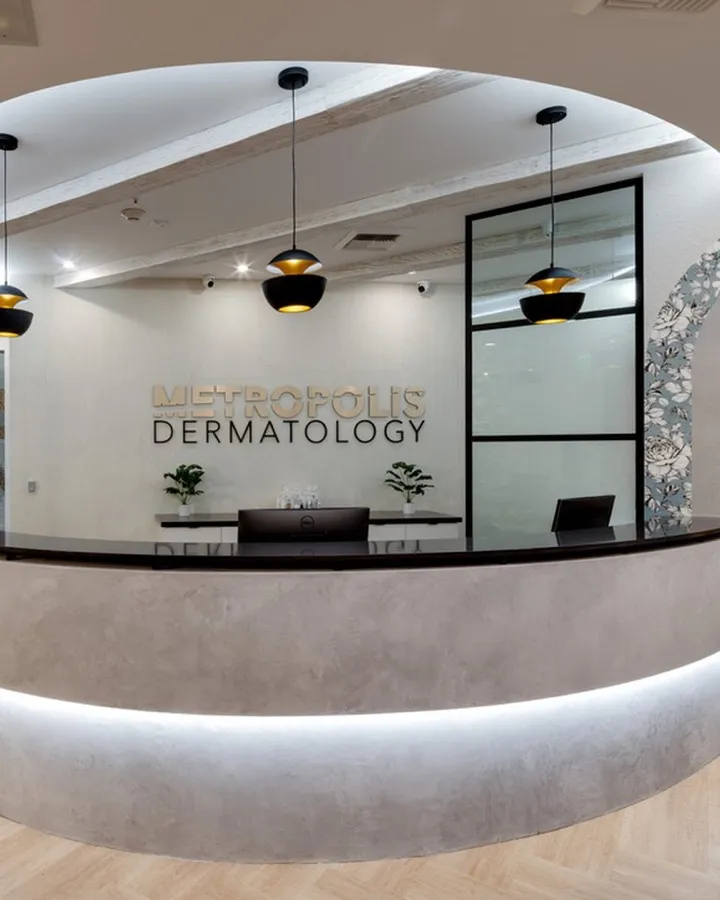
Original location and flagshipDowntown LA (DTLA)Suite 1050Our original location and flagship, serving a vibrant and diverse community where the Financial District, L.A. Live, and South Park meet.Devices: Hollywood Spectra, LaseMD Ultra, Clarity II, DermaV, Genius, Spectra MDF.888 S. Figueroa St, Los Angeles, CA 90017 (213) 319-3339Dermatologist in Downtown LA
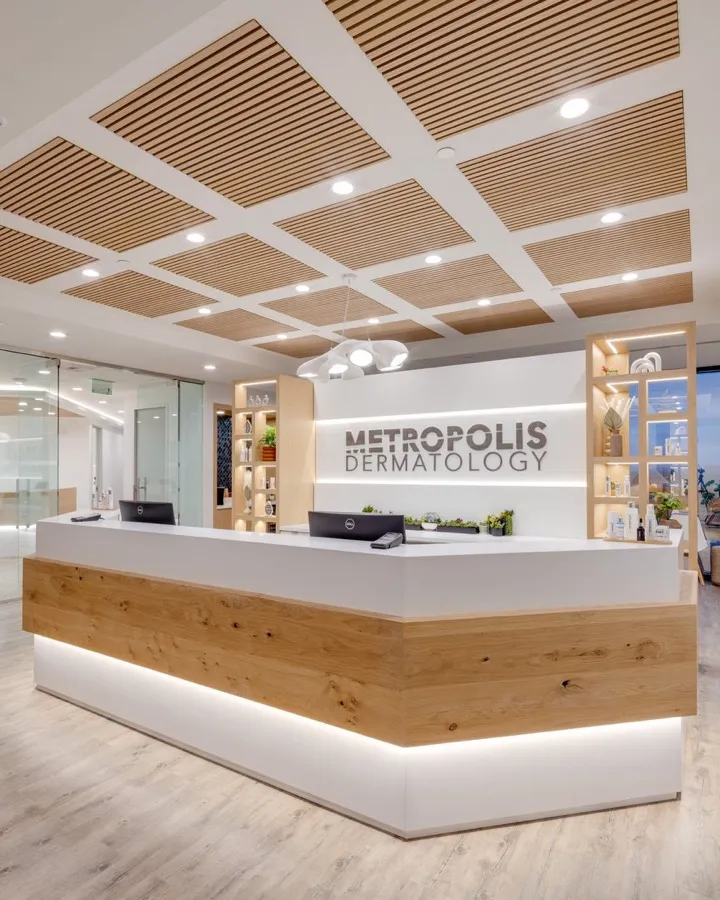
BrentwoodSuite 900Comprehensive Westside dermatology with particular depth in injectables, advanced lasers, resurfacing, skin tightening, and hair and scalp conditions.Devices: Hollywood Spectra, LaseMD Ultra, Clarity II, DermaV, Genius, eCO2, Density RF.11645 Wilshire Blvd, Los Angeles, CA 90025 (424) 243-7668Dermatologist in Brentwood
PasadenaSuite 930Medical, surgical, and cosmetic dermatology for multiple generations of families, with particular depth in skin-cancer care, acne, rosacea, and cosmetic planning.Devices: Hollywood Spectra, LaseMD Ultra, Clarity II, DermaV, Genius, EdgeOne, Oligio X.70 S. Lake Ave, Pasadena, CA 91101 (626) 514-1472Dermatologist in Pasadena
Costa MesaSuite 650Orange County dermatology focused on skin-cancer evaluation, medical care, acne and scarring, pigmentation, and laser rejuvenation.Devices: Sandro Dual, V-Laser, UltraClear, a radiofrequency microneedling system.3080 Bristol St, Costa Mesa, CA 92626 (949) 317-2558Dermatologist in Costa Mesa
San JoseSuite 1000Medical and cosmetic dermatology for the Bay Area, with particular depth in advanced lasers, acne scarring, melasma, facial balancing, and care across diverse skin tones.Devices: Hollywood Spectra, LaseMD Ultra, Clarity II, DermaV, Genius, eCO2, Oligio X.111 N. Market St, San Jose, CA 95113 (408) 581-0161Dermatologist in San Jose
Who provides laser treatment
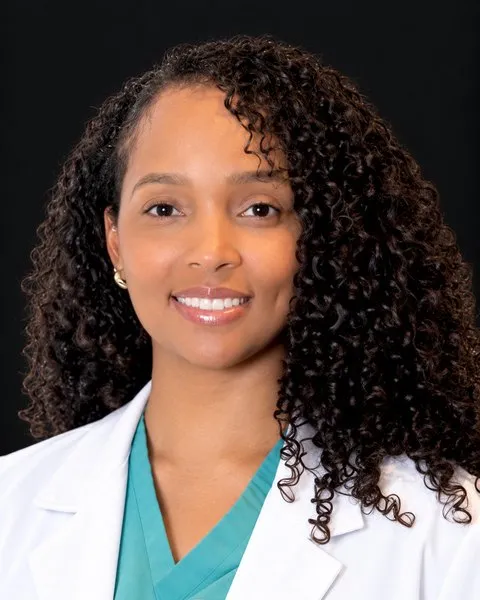
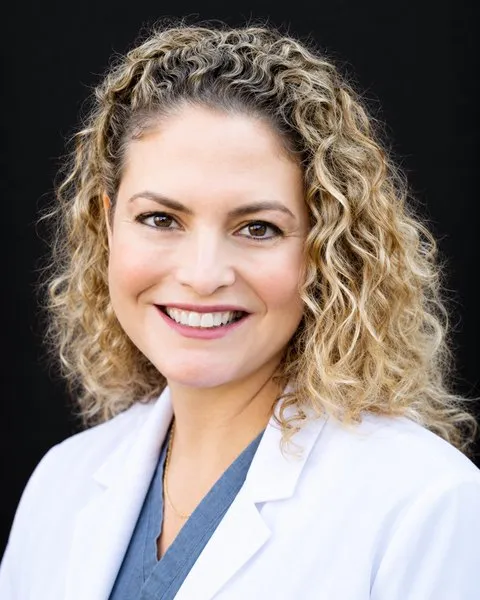
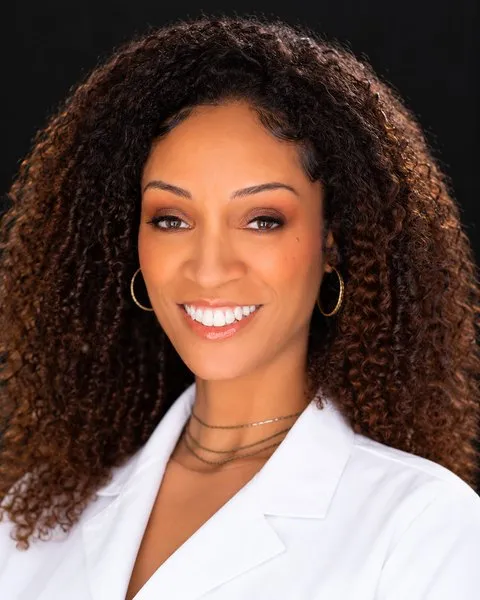
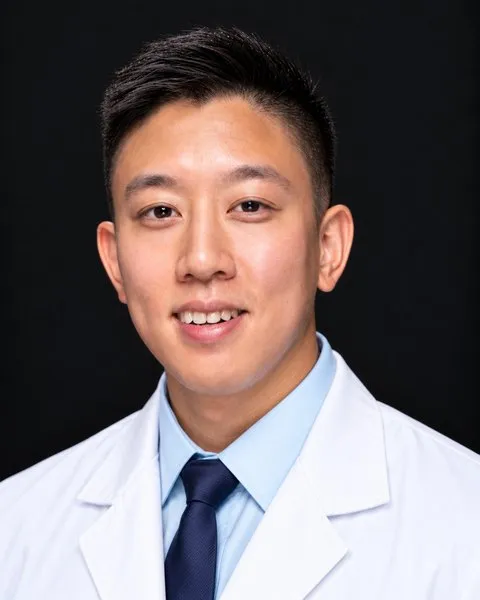
7 dermatologists, 8 physician assistants and nurse practitioners. Laser treatments are offered at every office; which clinician treats you depends on the treatment and the office.
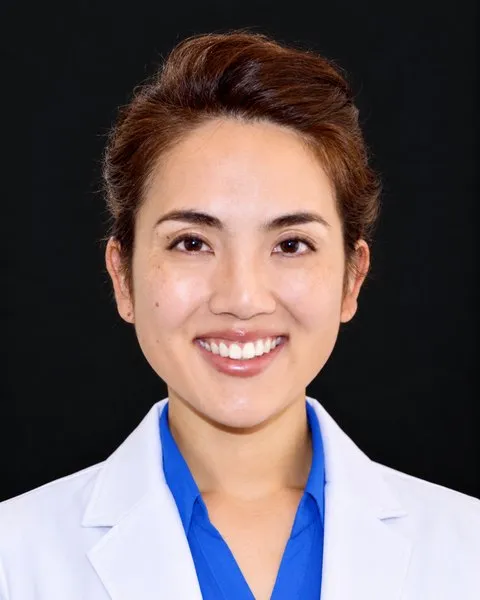
Vera Lee, NP-CNurse practitionerCosmetic dermatology, including lasers and injectable treatments.San JoseView profile
Riana Sanyal, MDDermatologistMedical and cosmetic dermatology, with an interest in thoughtful cosmetic treatment through different stages of life.PasadenaView profile
Erin Collier, MD, MPHDermatologistMedical and cosmetic dermatology, with experience caring for patients across diverse skin tones.Downtown LA, PasadenaView profile
Jamie Cordoba, PA-CPhysician associateMedical and family dermatology, including selected minor procedures.PasadenaView profile
Shauna Higgins, MDDermatologist, Clinical DirectorMedical and cosmetic dermatology, with experience treating a broad range of skin conditions and skin tones.Downtown LAView profile
Raymond E. Kleinfelder IIIDermatologist, Clinical DirectorMedical and cosmetic dermatology for patients of all ages and across a wide range of skin types.BrentwoodView profile
Jasmine Nazari, PA-CPhysician associateSaturday medical dermatology at our Downtown Los Angeles location.Downtown LA (Saturdays)View profile
Maryam Safaee, MDDermatologistMedical and cosmetic dermatology, with a particular interest in hair and scalp conditions.Brentwood (Saturdays)View profile
Justin W. Marson, MDDermatologistGeneral medical and cosmetic dermatology in Costa Mesa, and Mohs micrographic surgery and selected surgical procedures in Brentwood and Pasadena, with a particular focus on skin-cancer diagnosis and treatment.Costa Mesa, Brentwood (Mohs), Pasadena (Mohs)View profile
FounderJames Y. Wang, MD, MBADermatologistMedical and cosmetic dermatology, with a particular focus on advanced cosmetic evaluation, lasers and combination treatment planning.Downtown LA (cosmetic), Brentwood (cosmetic), Pasadena (cosmetic), Costa Mesa, San JoseView profile