Radiofrequency skin tightening in Los Angeles, Orange County, and San Jose.
These treatments can create meaningful improvement, but they do not reproduce the result of surgery. When laxity is more advanced, we will be direct about what a nonsurgical treatment can, and cannot, reasonably accomplish.
At Metropolis, skin tightening is done with radiofrequency energy: Density RF and Oligio X heat the skin from the surface, and Genius RF microneedling delivers heat through fine needles. Density RF is in Brentwood, Oligio X in Pasadena and San Jose, and Genius in Downtown LA, Brentwood, Pasadena, and San Jose; Costa Mesa uses a different radiofrequency device.
These devices are FDA-cleared for electrocoagulation and hemostasis, which describes heating and coagulating tissue. Skin tightening is not a cleared use of any of them, and your provider explains why it may still be recommended for you.
Mild to moderateThe degree of loose skin these treatments generally suit
Weeks to monthsCollagen builds gradually after treatment
Not a faceliftMeaningful improvement, but not the result of surgery
Not a cleared useFDA clearance covers heating and coagulating tissue, not tightening
Looking for Sofwave in Pasadena?
Our Pasadena office tightens skin with Oligio X, a radiofrequency device, and also offers Genius RF microneedling.
Sofwave is a different technology. It is made by Sofwave Medical and sends focused ultrasound, rather than radiofrequency, into the skin. Its FDA clearance (K240687, 30 May 2024) covers use "to improve facial lines and wrinkles, lift the eyebrow, and lift lax submental (beneath the chin) and neck tissue." The American Academy of Dermatology describes ultrasound tightening as producing modest lifting and tightening within 2 to 6 months after one treatment.
Sofwave is not one of the devices listed for our offices.
You do not need to know which product, laser, or procedure to choose before you arrive. That is our job.
How radiofrequency skin tightening works.
Heat below the surface
Density RF and Oligio X use monopolar radiofrequency energy to heat deeper tissue and stimulate collagen remodeling without breaking the skin's surface.
Cooling on top
The devices cool the outer skin while the energy heats the tissue beneath, where the heat contracts collagen fibers.
Heat through fine needles
Genius combines microneedling with radiofrequency energy delivered beneath the skin's surface. The system monitors tissue impedance and adjusts energy delivery in real time.
Collagen builds over months
Some patients notice an early tightening effect, but collagen remodeling develops more gradually over the following weeks and months.
RF microneedling adds radiofrequency to standard microneedling, delivering heat below the surface for a stronger collagen response. It is a middle ground option for texture, scarring, and mild laxity.
Skin tightening on the face and body.
Pigment, redness, acne scars, volume loss, skin laxity, and texture may look like isolated concerns, but they often overlap. A single treatment may be enough. In other cases, carefully combining treatments at different depths can create a more complete result.
On the face, loose skin often sits alongside volume loss or uneven texture, so tightening may be one part of a plan that includes Sculptra for collagen support or RF microneedling for texture. Most published studies of radiofrequency tightening are of the face.
Body treatments include truSculpt iD for localized fat reduction, truSculpt flex for muscle toning, and radiofrequency treatments for selected areas of skin laxity. These treatments refine specific areas; they are not substitutes for weight loss, exercise, or surgery.
The American Academy of Dermatology notes that nonsurgical tightening can be used on almost any part of the body. Which device suits which area, and whether your concern is loose skin, fat, or muscle tone, is decided at your consultation. See tightening and body contouring for the full body plan.
The neck is treated as its own region, with its own settings: see neck tightening.
Is skin tightening right for you?
Often a good fit
- Mild to moderate loose skin on the face or body
- Early laxity alongside texture or enlarged pores, where RF microneedling can treat both
- People who want gradual change without surgery
- A stable, healthy weight, no smoking, and daily sun protection, which the AAD links to better results
Not a fit, or wait
- Pregnancy
- A skin infection in the area
- Certain medications: tell us everything you take
- A lot of loose skin, where surgery is the stronger option
- A concern that is mainly fat or muscle tone, which other body treatments address
What skin tightening can and cannot do.
Skin tightening heats deeper skin layers to stimulate collagen, which builds over weeks to months. It is a legitimate option for mild to moderate laxity and a poor substitute for surgery once laxity is significant.
A lot of sagging skinWith lots of sagging skin, skin tightening may not be helpful
A facelift resultNonsurgical tightening cannot give the result of a facelift, eyelid surgery, or neck lift; a surgical lift gives the most dramatic change
An overnight changeSome feel early tightening, but collagen builds gradually over weeks to months
Results that never fadeThe AAD says results of on-the-skin radiofrequency can last 2 to 3 years with the right skin care
The right treatment is not automatically the strongest one. It is the one that appropriately balances the amount of correction your skin needs with the downtime, risk, and recovery you can accommodate.
What to expect at a skin tightening visit.
ConsultationTell us what you notice, what you want to change, and how much downtime you can accommodate
The deviceRadiofrequency from the surface or through fine needles, depending on your concern, the area, and your office
During treatmentComfort varies, so intensity is tailored to the area, skin, and desired result
AfterwardSome redness and swelling is usual; after microneedling, expect redness and pinpoint marks for a short time
ResultsSome feel early tightening; collagen builds over weeks to months, and the AAD puts the full result of on-the-skin radiofrequency at about 6 months
SessionsFor on-the-skin radiofrequency, most people have one treatment and some benefit from more; your plan sets the number
We will evaluate the rest and build a plan around you.
Skin tightening options compared.
Skin resurfacing exists along a spectrum. Gentle nonablative treatments may require little downtime and produce gradual improvement, while deeper ablative treatments, including fractional CO2 resurfacing, can create more significant change but require more recovery.
Skin tightening options compared (FDA records checked 8 November 2026)
| Treatment | What it works on | FDA status | Recovery |
|---|
| Density RF and Oligio X | Mild to moderate loose skin, heated beneath the surface | Cleared only for electrocoagulation and hemostasis (Density K230663, 2023, and K250065, 2025; Oligio X K240313, 2024, and K243929, 2025); tightening is not a cleared use | Some redness and swelling |
|---|
| Genius RF microneedling | Mild laxity with texture, acne scars, or enlarged pores | Cleared for electrocoagulation, contraction and hemostasis (K253484, 2026); laxity is not a cleared use | Redness and pinpoint marks for a short time |
|---|
| Fractional CO2 resurfacing | Deeper texture irregularities, acne scars, wrinkles, and sun damage | Depends on the laser | Often a week or longer, depending on depth and intensity |
|---|
| Sculptra | Asks your body to rebuild collagen, gradually, over weeks to months | FDA-approved for smile lines and other facial wrinkles, and since 2023 for fine lines and wrinkles in the cheeks | Tenderness, bruising, or swelling, usually gone within about a week |
|---|
| Surgical lift | Significant loose skin | Surgery, not a device | Discussed with a surgeon |
|---|
Energy devices are FDA-cleared through a 510(k), not approved. These clearances describe what the device does to tissue, and the 2025 Density and 2026 Genius clearances state that no clinical testing was performed for them.
Skin tightening risks and side effects.
Radiofrequency heats tissue with electrical energy rather than light, so it does not target skin pigment the way many lasers do. Even so, darker skin carries a higher risk of darkening or lightening after energy treatments, and burns and blisters have been reported when too much heat reaches the skin. A review of 35 articles in skin types III to VI found a low risk of scarring or darkening, though many of the studies were weak.
Most reactions are short-lived. This list is not complete.
| Effect | What to know |
|---|
| Redness and swelling | Usual after on-the-skin radiofrequency, and short-lived. |
| Discomfort during treatment | Comfort varies, so treatment intensity is tailored to the area, skin, and desired result. |
| Pinpoint or track marks | Reported after radiofrequency microneedling. |
| Darker patches (postinflammatory hyperpigmentation) | Usually temporary in studies of skin types III to VI; more likely on darker skin. |
| Burns or blisters | Reported with radiofrequency microneedling, linked to too much heat or poor contact of the treatment tip. |
| Scarring | Uncommon: in a review of 35 articles in skin types III to VI, one study reported lasting scarring. |
| A blister, an open sore, or pain that gets worse after treatment | Call us so we can see you. |
In October 2025, the FDA reported that serious complications, including burns, scarring, fat loss, disfigurement, and nerve damage, have occurred with certain uses of RF microneedling devices. The FDA advises choosing a licensed provider trained on the device and asking which device will be used. It also states that RF microneedling is a medical procedure, not a cosmetic treatment, and that these devices should not be used at home.
Skin tightening questions.
Is skin tightening FDA-approved?
Energy devices are cleared, not approved. Density and Oligio X are FDA-cleared for electrocoagulation and hemostasis, and Genius for electrocoagulation, contraction, and hemostasis; tightening skin is not a cleared use of any of them (FDA records checked 8 November 2026).
Does radiofrequency skin tightening work?
For mild to moderate laxity it can create meaningful improvement that builds gradually, but it does not reproduce surgery. A 2025 systematic review of 15 facial studies with 1,230 participants found consistent improvement with mild, short-lived side effects, and noted that the studies have methodological limits and rarely report downtime.
Is ultrasound tightening the same as radiofrequency?
No. Both heat tissue beneath the surface to prompt new collagen, but ultrasound devices such as Sofwave use sound energy, while Density RF and Oligio X use monopolar radiofrequency energy. Metropolis uses radiofrequency.
Can it tighten loose skin on my stomach or arms?
Body treatments include radiofrequency for selected areas of skin laxity. Which device suits which area is decided at your consultation, and if the concern is mainly fat or muscle tone, fat reduction or muscle stimulation may fit better.
How many sessions will I need, and how long does it last?
For on-the-skin radiofrequency, the AAD says most people have one treatment, some benefit from more, the full result takes about 6 months, and results can last 2 to 3 years with the right skin care. Your plan sets the number for you.
Does it hurt?
Comfort and recovery vary, so treatment intensity is tailored to the area, skin, and desired result. The AAD notes some discomfort during the procedure.
Can skin tightening replace a facelift?
No. These treatments can create meaningful improvement, but they do not reproduce the result of surgery, and a surgical lift gives the most dramatic change.
How much does skin tightening cost?
Cost depends on your plan, so we quote it at your consultation, before you start.
Is it covered by insurance?
Insurance is accepted for eligible medical care. Cosmetic treatments such as this are usually self-pay; our team confirms costs before your first session.
Who performs it at Metropolis?
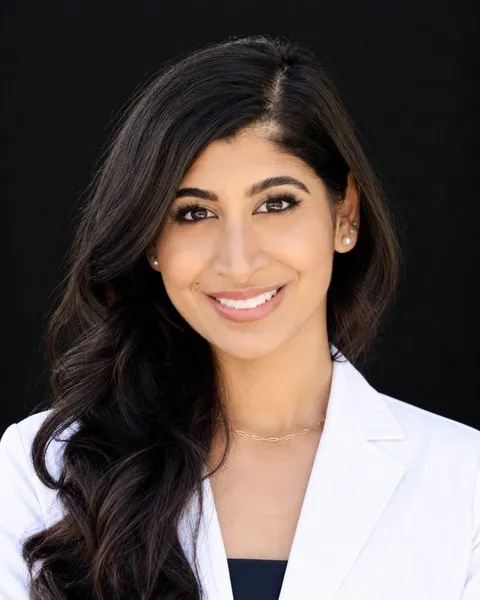
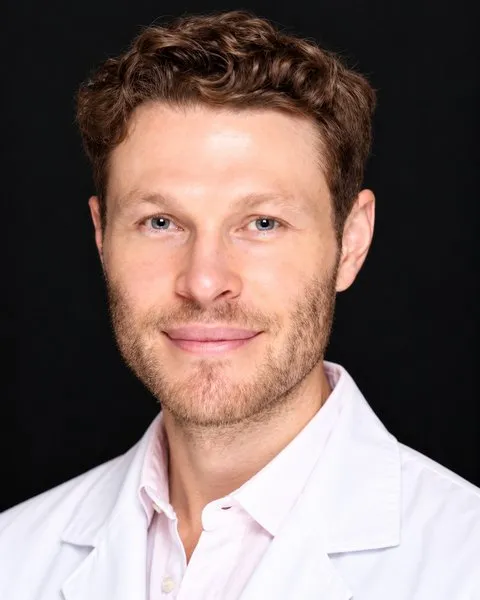
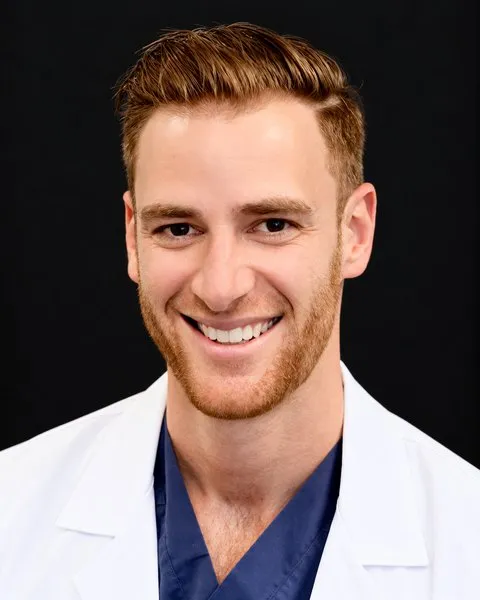
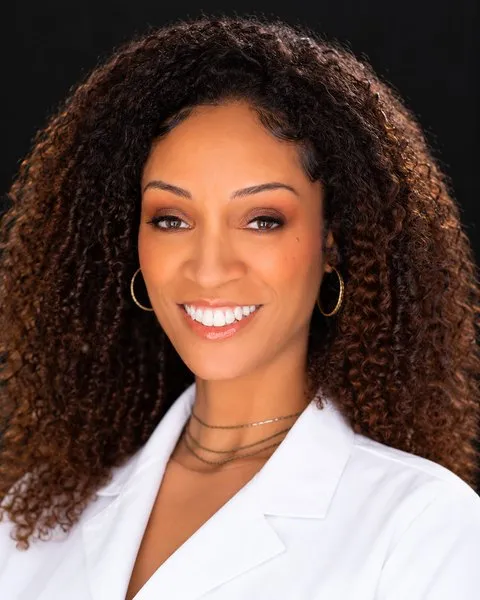
Our cosmetic providers. Treatment availability varies by provider and location, and we match you by office and availability.
Sources: FDA 510(k) clearances for Density, Oligio X, Genius, and Sofwave; the FDA safety communication on RF microneedling; the American Academy of Dermatology; and peer-reviewed reviews in Dermatologic Surgery, Plastic and Reconstructive Surgery Global Open, and Aesthetic Surgery Journal Open Forum.