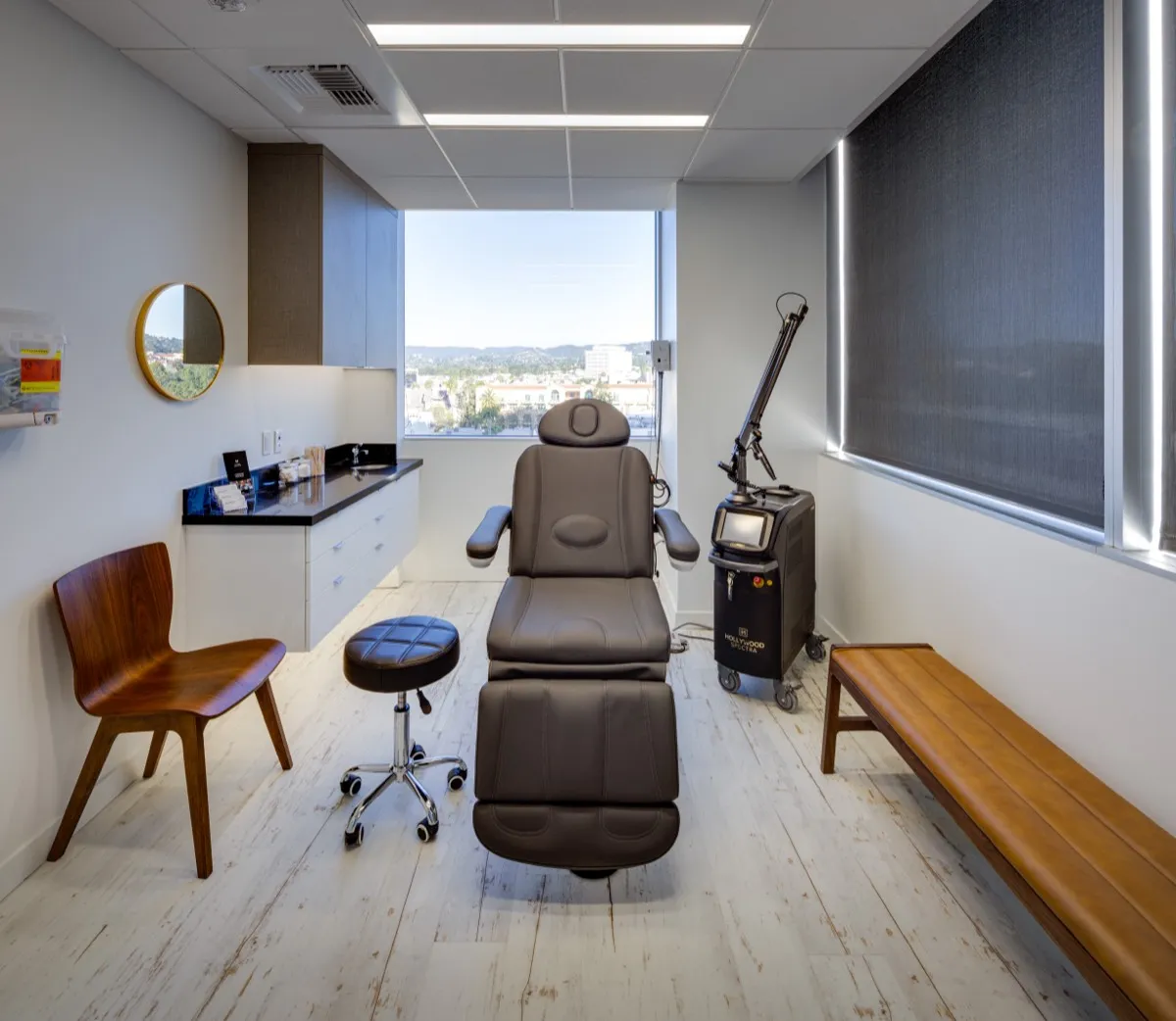
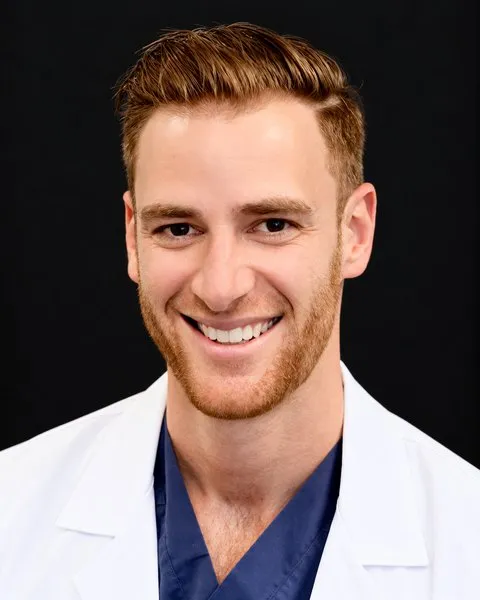
A hair loss dermatologist in Los Angeles.
At Metropolis Dermatology, hair loss treatment for men and women starts as medical care. Dermatologists and dermatology clinicians diagnose and treat hair loss and alopecia, from male and female pattern hair loss to alopecia areata and scarring types, at five California offices in Downtown Los Angeles, Brentwood, Pasadena, Costa Mesa, and San Jose. A dermatologist is a medical doctor who specializes in treating the skin, hair, and nails.
Looking for a hair loss specialist near you, or a trichologist in Brentwood? Brentwood lists hair and scalp conditions among the things it is known for, and a visit at any office can include laboratory testing or a scalp biopsy when the diagnosis remains unclear. Providers, schedules, and treatment availability vary by location and may change over time.
What causes hair loss.
Genetics, hormonal changes, illness, stress, medications, inflammation, autoimmune disease, nutrition, and repeated tension on the hair can all contribute, and each may require a different treatment.
Genes and hormones
Hereditary hair loss is the most common cause of hair loss worldwide, in both men and women. A hormonal imbalance, often from polycystic ovary syndrome (PCOS), can also thin hair.
The immune system
In alopecia areata, the immune system attacks hair follicles. In scarring types such as frontal fibrosing alopecia, follicles are destroyed and cannot grow hair again.
A shock to the body
Giving birth, a high fever, an operation, or significant stress can bring on heavy shedding a few months later.
Health and medicines
Thyroid disease, too little iron, protein, zinc, or biotin, and some medications can cause hair loss. Treating the cause can let hair regrow.
Traction alopecia, for example, develops from repeated pulling or tension and often begins around the hairline. Identifying it early matters because prolonged inflammation and scarring can make hair loss permanent.
Which type of hair loss is it.
Different forms of hair loss can look remarkably similar, and effective treatment begins with finding the cause.
Common types of hair loss, how they usually look, and the treatments most often matched to them
| What you notice | Type | Often treated with |
|---|
| A receding hairline or thinning on top of the head | Male pattern hair loss (androgenetic alopecia) | Minoxidil, finasteride, PRP, or laser |
|---|
| A part that gets wider, with thinning on top | Female pattern hair loss | Minoxidil, spironolactone or other pills, PRP, or laser |
|---|
| A round or oval bald patch on the scalp or beard | Alopecia areata | Scalp cortisone shot for a few patches; pills that calm the immune system for widespread loss |
|---|
| Much more shedding than usual, a few months after childbirth, illness, surgery, or stress | Telogen effluvium (hair shedding) | Often stops on its own as the body readjusts |
|---|
| A hairline receding along the front and sides, often with eyebrow loss | Frontal fibrosing alopecia (scarring) | Early medical treatment to stop further loss |
|---|
| A round, balding patch in the center of the scalp that grows over time | Central centrifugal cicatricial alopecia, or CCCA (scarring) | Early treatment to keep it from spreading |
|---|
| Broken hairs or thinning where hair is pulled tight | Traction alopecia | Looser styles, early diagnosis, and medicine if needed |
|---|
Spironolactone, and finasteride for women, are not FDA-approved for female pattern hair loss; your dermatologist explains why they may still be recommended.
Some hair loss grows back on its own, some responds to treatment, and in scarring types the goal is to keep the hair you have, because a scarred follicle can no longer grow hair. Earlier treatment makes regrowth more likely.
Some patterns come from how hair is worn rather than from anything predetermined. Traction alopecia, thinning at the hairline from years of tension, is treatable and is frequently missed or dismissed.
Hair loss in every hair type and skin tone.
Our dermatologists and dermatology clinicians bring experience treating diverse skin types along with an understanding of the cultural, personal, and medical context surrounding care.
People of all skin tones and genders get alopecia areata. Some types are more common in some groups: CCCA is the most common type of scarring hair loss in women of African descent, and frontal fibrosing alopecia, usually diagnosed after menopause, can begin earlier in life, especially in Black women. Braids, locs, weaves, extensions, and ponytails that pull too tightly can cause traction alopecia, so a plan may include changes in hair-care practices, not only a prescription.
How a visit finds the cause.
We begin with a medical history and scalp examination. Laboratory testing or a scalp biopsy may be recommended when the diagnosis remains unclear.
QuestionsHow long you have had hair loss and whether it came on quickly
Scalp examYour scalp, nails, and any other affected area, sometimes with a dermatoscope
Pull testGently pulling on hair shows how it is growing and whether it breaks easily
Blood testsWhen thyroid disease, a vitamin or iron deficiency, a hormone imbalance, or another disease is suspected
Scalp biopsyA small sample of scalp skin, taken in the office, when the diagnosis remains unclear
Once the cause is clear, we decide together whether treatment is needed at all. Some hair loss, such as shedding after a stressful event, settles on its own.
Starting with trendy products before establishing the root cause with a medical professional is how patients spend a year on the wrong plan.
Hair loss treatment.
Treatment may include topical or oral medication, hormonal management, platelet-rich plasma, KeraLase, changes in hair-care practices, or a combination approach.
Skin types on the Fitzpatrick scale, from I (lightest) to VI (deepest). Filled numbers are the types each treatment is cleared, treated, or studied for. Ranges for a treatment in general and for a specific device can differ, because they come from different studies. Your provider confirms the right approach for your skin at your visit.
Medication can be injected directly into selected areas of the scalp to treat conditions such as alopecia areata and certain localized inflammatory disorders. See the scalp cortisone shot.
PRP injections may support hair growth in appropriately selected patients, particularly as part of a broader treatment plan. Hair loss has many possible causes, and PRP is not the right treatment for all of them. PRP is not FDA-approved for hair loss; your dermatologist explains why it may still be recommended. PRP preparation systems are FDA-cleared to prepare platelet-rich plasma, most often to mix with bone graft in surgery and some to make a gel for chronic wounds; none is cleared for hair loss (checked 8 November 2026). See PRP for hair growth.
PRP, PRF, and PRF gel are prepared from a small sample of the patient's own blood. Platelet-rich fibrin, or PRF, is prepared using a different process that creates a fibrin matrix and a more gradual release of platelet-derived components. The most appropriate choice between PRP and PRF depends on the treatment goal and anatomy. See PRF therapy.
Laser and light-based therapies may help support hair growth in appropriately selected patients, but they are rarely the entire answer. See laser hair restoration.
Topical medication may include a compounded formula.
How long treatment takes
- Your first visit
A medical history and scalp examination, with laboratory testing or a scalp biopsy when the diagnosis remains unclear.
- The first weeks
Minoxidil can cause a temporary increase in shedding in the first weeks. Tell us if it worries you.
- Months 2 to 4
Minoxidil results may begin to show. Finasteride needs daily use for three months or more before benefit is seen.
- Months 6 to 12
The usual point to judge a medicine. No new growth within 12 months means a pill is unlikely to work for you.
- Ongoing
PRP and KeraLase results develop gradually. Most patients begin to see visible improvements in hair thickness and scalp coverage within 3 to 6 months after starting either treatment. The number of sessions varies with the severity of hair loss and the treatment used, and a typical plan is 3 to 6 sessions spaced 3 to 4 weeks apart, followed by maintenance treatments.
Medicines and treatments, by what they do
How hair loss treatments work, from FDA drug labels, AAD patient guidance, and our own treatment notes
| Option | How it works | Good to know |
|---|
| Minoxidil, applied to the scalp | Reduces hair loss, stimulates growth, and strengthens existing hair; full regrowth is unlikely | Foam or solution, once or twice a day; the benefit stops when you stop |
|---|
| Finasteride (Propecia), a pill | Blocks the enzyme that turns testosterone into DHT | The FDA label is for men only; one tablet daily; the effect reverses within 12 months of stopping |
|---|
| Spironolactone, a pill | A diuretic that has been prescribed for decades to treat hair loss in women | Not an option during pregnancy or when planning one; birth control is recommended before menopause |
|---|
| Scalp cortisone shot | Calms the immune attack on hair follicles in alopecia areata | Injected into the patch, often every 4 to 6 weeks |
|---|
| PRP | Improves the environment around the follicle | Often monthly for the first three months, then maintenance; research in women is still early; not FDA-approved for hair loss |
|---|
| Laser hair restoration | Stimulates blood flow and cellular activity in the scalp | Belongs inside a plan built on a real diagnosis, not as a standalone fix |
|---|
Devices we may use for hair thinning
- Keralase MD KeraLase combines the LaseMD Ultra laser with a topical scalp serum. The laser creates controlled microchannels in the scalp before the serum is applied. It may be incorporated into a broader treatment plan for selected types of hair thinning. Because hair loss can have many causes, we begin with a diagnosis and may combine KeraLase with medical or injectable treatments when appropriate. Treatment generally begins with a series of sessions followed by maintenance based on response.
Side effects, and who should not use them.
Common and important side effects of hair loss treatments. This list is not complete.
| What you may notice | What it means, and what helps |
|---|
| Minoxidil: more shedding in the first weeks | Usually temporary. Tell us if it continues. |
| Minoxidil: scalp irritation or redness | Stop using it and ask us. |
| Minoxidil: unwanted facial hair | Stop using it and ask us. |
| Finasteride: lower sex drive, trouble getting or keeping an erection, or changes in ejaculation | The most common side effects on the label. Tell us. |
| Finasteride: breast swelling or tenderness | Tell us. |
| Scalp cortisone shot: a small dent in the scalp | Excessive dosing can thin the skin, so the dose and spacing are set with care. See the scalp cortisone shot. |
| Minoxidil: chest pain, a rapid heartbeat, faintness, dizziness, sudden weight gain, or swollen hands or feet | Stop using it and call us right away. |
| Finasteride: low mood, depression, or thoughts of suicide | Call us right away, or get emergency help. |
Shaded rows need same-day care.
Often a good fit for treatment
- Pattern hair loss, treated soon after you notice it
- A few patches of alopecia areata
- Scarring types caught early, to keep the hair you have
- Traction alopecia caught early, while it is still reversible
Not a fit, or needs care first
- Pregnant, planning a pregnancy, or breastfeeding: minoxidil and the hair loss pills are avoided
- Women who are or may be pregnant should not handle crushed or broken finasteride tablets
- Under 18: over-the-counter minoxidil labels say not to use it
- A red, inflamed, infected, or painful scalp
- Sudden or patchy hair loss, or hair loss with no known reason: the minoxidil labels say not to self-treat it
- Hair loss after childbirth: the women's minoxidil label says not to use it
- Kidney or adrenal gland problems: tell us before starting spironolactone
Other options, and what they cannot do.
Hair transplantA surgical option for some men and women with pattern hair loss; it needs enough healthy hair to move
At-home laser devicesSome are FDA-cleared, a lower bar than FDA approval, and long-term safety is not yet known
Hair loss shampoosCan help hair look fuller and break less, but cannot regrow hair or stop hair loss from worsening
WaitingShedding after a stressful event often stops as the body readjusts
Other skin and scalp concerns
Questions patients ask.
Is there a dermatologist recommended shampoo for female hair loss?
No shampoo regrows hair. Hair loss shampoos can help hair hold moisture, look fuller, and break less, but they cannot regrow hair or prevent hair loss from worsening. A dermatologist can recommend gentle hair care alongside treatment for the cause.
How much hair loss a day is normal?
Shedding 50 to 100 hairs a day is normal. Shedding much more than that, often a few months after a stressful event, is called telogen effluvium.
Is hair loss from stress permanent?
Usually not. Shedding after significant stress, illness, surgery, or childbirth tends to start a few months later and stops as the body readjusts. If the stress continues, the shedding can continue too.
Will my hair grow back?
It depends on the type. Treatment can stop or slow hereditary hair loss and may help regrow hair. Alopecia areata often regrows. In scarring types, hair cannot grow where a follicle has scarred, so the goal is to stop further loss.
Can women take finasteride or Propecia?
The FDA label for Propecia is for men only, and finasteride must not be used during pregnancy; women who are or may be pregnant should not handle crushed or broken tablets. The AAD lists finasteride among the pills a dermatologist may prescribe for some women with female pattern hair loss, a decision made case by case.
How long does finasteride take to work?
Daily use for three months or more is needed before benefit is seen, and results are often visible at about 6 months. Hair loss returns after stopping.
Does minoxidil work for women?
Minoxidil products in 2% and 5% strengths are approved to treat female pattern hair loss. Plan on 6 to 12 months of use before judging it, and continued use to keep the regrowth.
Is spironolactone used for hair loss?
Yes. It is a diuretic that has been prescribed for decades to treat hair loss in women. It is not an option during pregnancy, and it can take 6 to 12 months to see whether it works.
Can thyroid problems or low iron cause hair loss?
Yes. Thyroid disease and too little iron, protein, zinc, or biotin can thin hair, and treating the cause can let hair regrow. That is one reason a visit may include blood tests.
Does PRP work for hair loss?
PRP injections may support hair growth in appropriately selected patients, particularly as part of a broader treatment plan. Research in women is preliminary but promising, and maintenance treatments are needed to keep results. PRP is not FDA-approved for hair loss (checked 8 November 2026); your dermatologist explains why it may still be recommended.
Do I need a scalp biopsy?
A scalp biopsy may be recommended when the diagnosis remains unclear. It removes a small sample of scalp skin and is done in the office.
Is hair loss treatment covered by insurance?
Insurance is accepted for eligible medical care. Coverage and prior-authorization requirements vary by plan; our team can explain the expected process and any known coverage requirements before treatment. See understanding your insurance.
How do I start?
Book a medical visit at any of our offices. We begin with a medical history and scalp examination.
View the before and after galleryRead patient reviews