What UVB phototherapy with XTRAC is.
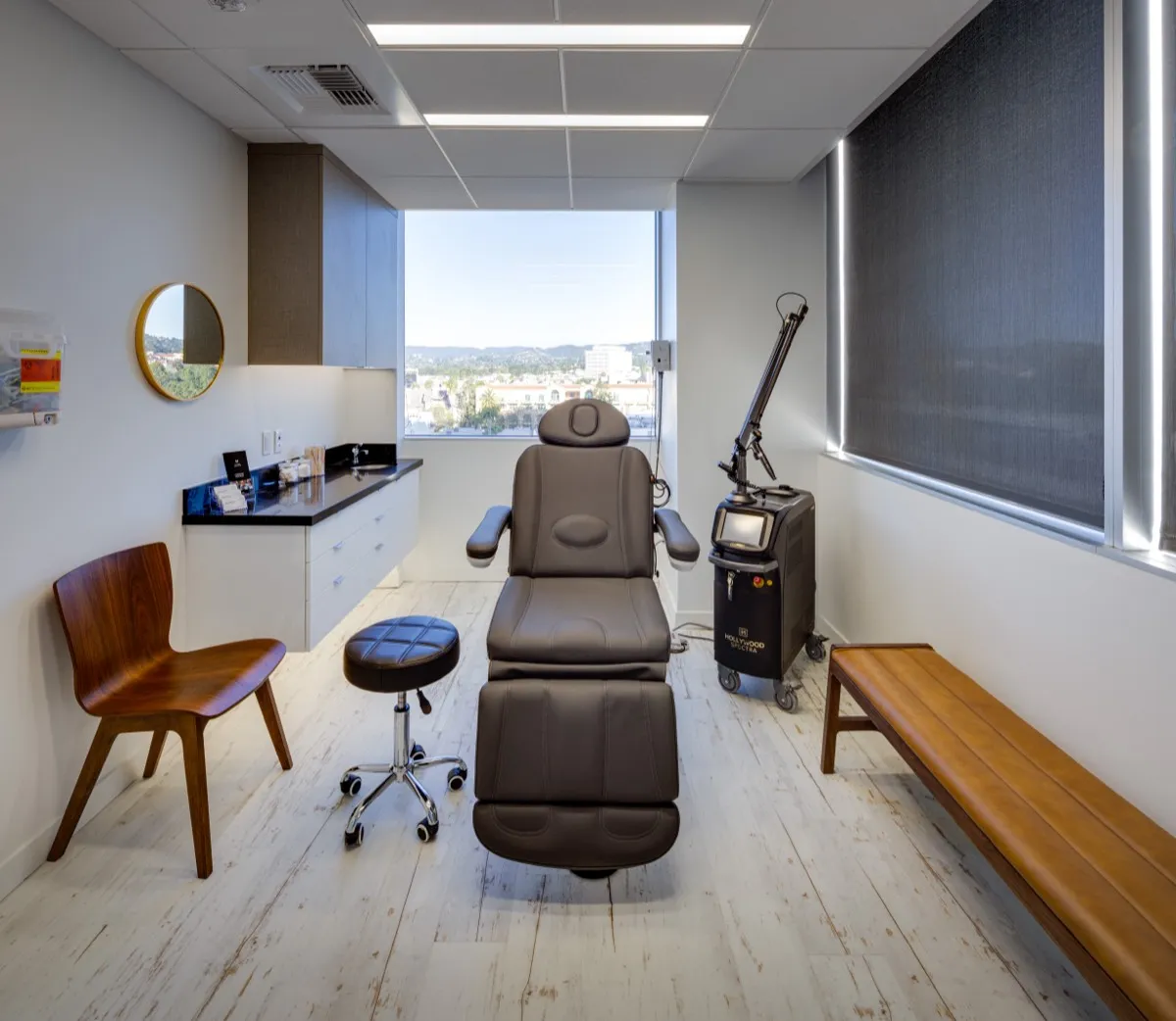
Phototherapy treats the skin with a measured dose of ultraviolet light, under a dermatologist's supervision. XTRAC is the targeted kind: an excimer laser that sends one narrow band of ultraviolet B (UVB) light, at 308 nm, to the patches being treated.
308 nm UVBOne narrow band of ultraviolet B light
TargetedDirected to the patches being treated
PrescriptionFDA-cleared, used by your dermatology provider
A series of visitsAdjusted to your diagnosis and response
Targeted laser or whole-body light box
Two ways to give UVB phototherapy, from FDA records and AAD patient guidance
| XTRAC excimer laser | Whole-body narrowband UVB |
|---|
| The light | 308 nm UVB from a laser | Narrowband UVB from a light box or light source |
|---|
| Where it goes | Directed by your provider to the affected patches, limiting exposure of the surrounding skin | You stand in a light box, or a light source is passed over your skin |
|---|
| Often chosen for | Treatment targeted to a certain part of the body | A large area of the body |
|---|
| Where it is given | In the dermatology office | At a treatment center, or with a home unit your dermatologist prescribes |
|---|
The excimer laser provides a type of narrowband UVB phototherapy. Because a laser can target a small section of skin, there is less effect on skin that does not need treatment.
How UVB phototherapy works.
UVB light acts on the skin itself. It can slow skin cells that grow too fast, quiet an overactive immune system, and calm inflammation so the skin can heal. In vitiligo, it can restore natural skin color.
Slows fast-growing cells
Phototherapy can slow rapidly growing skin cells, the cells that build up into psoriasis patches.
Quiets the immune response
It can suppress an overly active immune system in the treated skin.
Calms inflammation
It can reduce inflammation and allow the skin to heal.
Brings back color
In vitiligo, UV light can restore natural skin color to the patches.
Inside the XTRAC, electrical discharges in a sealed gas chamber create ultraviolet light at a single wavelength, 308 nm. A fiber-optic cable carries the light to a handpiece, and your provider directs it to each affected patch. Each dose is made of many short laser pulses, set and monitored by the laser's processor.
What XTRAC is FDA-cleared to treat.
The FDA clearance for current XTRAC lasers covers UVB phototherapy for psoriasis, vitiligo, atopic dermatitis, and leukoderma, in adults, by prescription.
Dates are from FDA 510(k) records, checked 8 November 2026
| Condition | Where light treatment fits | First FDA record we found listing it |
|---|
| Psoriasis | When other treatment has not worked or is not safe for you; the excimer laser can treat the scalp, ears, armpits, groin, buttocks, elbows, and knees | January 2000 |
|---|
| Vitiligo | Treatment targeted to a certain part of the body; light restores color most on the face and neck | March 2001 |
|---|
| Atopic dermatitis (eczema) | When creams and ointments are not effective | Listed by May 2002 |
|---|
| Leukoderma | Lighter patches where skin has lost pigment, such as after laser resurfacing | May 2002 |
|---|
The FDA first cleared this XTRAC laser line for psoriasis in January 2000. The current XTRAC models list all four conditions, for adults, by prescription.
Psoriasis
For psoriasis, phototherapy may be an option if other treatment fails to work or proves unsafe for you. The AAD notes that different types of phototherapy can treat small areas of stubborn, thick plaque psoriasis, long-standing psoriasis on the hands and feet, nail psoriasis, and scalp psoriasis. See our psoriasis page for the full plan, from creams to biologics.
Vitiligo
Light therapy is most effective at restoring color to the face and neck; the lips, fingertips, and toes respond least. It works slowly, and your dermatologist may pair it with a medicine to return color more quickly.
Eczema (atopic dermatitis)
If medicine you apply to your skin is not effective, your dermatologist may suggest light therapy or a medicine that works throughout the body. The American Academy of Dermatology's 2023 guideline for adults with atopic dermatitis conditionally recommends phototherapy.
Leukoderma
Leukoderma means patches of skin that have lost their color. Vitiligo is one form; lighter patches left after carbon dioxide laser resurfacing are another, and that use is part of the FDA record.
Is XTRAC right for you?
Often considered for
- Psoriasis patches in specific areas, or psoriasis that has not responded to other treatment
- Vitiligo patches, especially on the face and neck
- Eczema (atopic dermatitis) that creams and ointments have not controlled
- Lighter patches of skin (leukoderma), such as after laser resurfacing
- Adults; the FDA clearance lists adults
Not recommended if you
- Have had melanoma or any other type of skin cancer
- Have a condition that raises skin cancer risk, such as Gorlin syndrome or xeroderma pigmentosum
- Have a condition that makes you sensitive to UV light, such as lupus or porphyria
- Take a medicine that makes you more sensitive to UV light, such as some antibiotics, diuretics, and antifungals
Bring a list of every medicine you take to your first visit, so your provider can check for any that make skin more sensitive to light.
A medical consultation begins with the concern that brought you in, followed by focused questions and an examination appropriate to that concern.
What a course of XTRAC is like.
- Before your first session
An exam to confirm the diagnosis and choose the patches to treat. Tell us about any past skin cancer and every medicine you take. Do not apply salicylic acid to the patches beforehand; it can make UVB phototherapy less effective.
- The session
Your provider places the laser's handpiece on each patch and directs the light only to that area, as a series of short laser pulses.
- Right after
Treated skin should look a little red or pink. That is expected and is not considered a side effect.
- The first weeks
Phototherapy usually means two or three visits a week, and sometimes five. Your provider checks your progress after the first four to six treatments.
- Over the course
Treatment requires a series of visits, and the schedule is adjusted according to diagnosis and response.
There is no single number of sessions that fits everyone. For psoriasis, steady improvement comes with regular sessions; light therapy for vitiligo works slowly; and light therapy for eczema often means two or three visits a week for at least a few months. Your provider sets the plan and adjusts it as your skin responds.
Side effects, and when to call.
What patients may notice with UVB phototherapy, from American Academy of Dermatology guidance.
| What you may notice | What it means |
|---|
| Pink or slightly red skin after each session | Expected, and not considered a side effect. |
| Sunburn-like redness or tenderness | Tell us at your next visit; your dose can be adjusted. |
| Mild stinging, burning, or itching | Tell us at your next visit. Irritation and itch from light therapy tend to be mild. |
| Darker treated skin, or dark spots that become more noticeable | More common in medium to dark skin. Tell us if you want to avoid darkening. |
| Blisters or a burn | Rare. Call us before your next session. |
| Over the long term: freckles, early skin aging, and an increased risk of skin cancer | Possible long-term effects of phototherapy. Under a dermatologist's care, they can be managed. |
The shaded row needs a call. This list is not complete.
XTRAC limits exposure of the surrounding skin. The AAD lists the excimer laser as a type of phototherapy, and the long-term effects above are listed for phototherapy, which is why we ask about skin cancer history and light-sensitizing medicines before you start.
Other options for psoriasis, vitiligo and eczema.
Options range from topical medication to targeted phototherapy, oral medication, or biologic treatment.
XTRAC next to other treatments for the same conditions
| Treatment | Often considered for | How it is given |
|---|
| XTRAC excimer laser | Patches of psoriasis, vitiligo, or eczema in specific areas | Targeted UVB light, a series of office visits |
|---|
| Whole-body narrowband UVB | Large areas of skin | A light box at a treatment center, or a home unit your dermatologist prescribes |
|---|
| Creams and ointments | Most people with psoriasis; eczema, alongside moisturizer; vitiligo, where a corticosteroid is used for a limited time, and tacrolimus or pimecrolimus restore color most on the head and neck | Applied to the skin |
|---|
| Ruxolitinib cream (Opzelura) | Nonsegmental vitiligo, ages 12 and older | A thin layer twice a day on the patches |
|---|
| Biologics and JAK inhibitors | Moderate to severe psoriasis, psoriatic arthritis, or both; eczema that needs treatment beyond the skin's surface | Injections or pills, ongoing |
|---|
| Intramuscular cortisone shot | Selected widespread or severe inflammatory flares, such as a severe eczema flare, when localized treatment would not be sufficient | A single injection into a muscle; the decision is individualized |
|---|
Treatments are often combined. For vitiligo, your dermatologist may prescribe light therapy along with a medicine to return color more quickly.
For long-term eczema care in adults, the American Academy of Dermatology's guideline recommends against systemic corticosteroids, the group that includes steroid pills and shots, so a cortisone shot is for a selected flare, not ongoing control.
No one treatment works for everyone. Your provider weighs where the patches are, how much skin is involved, and what you have already tried. For psoriasis, see the full range of options on our psoriasis page.
UVB phototherapy near you.
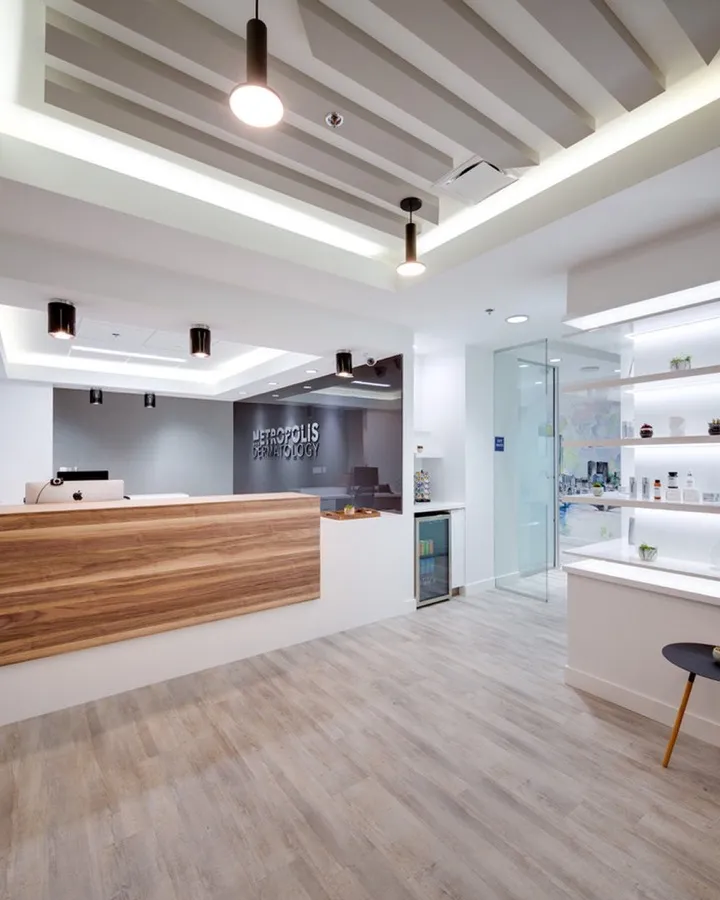
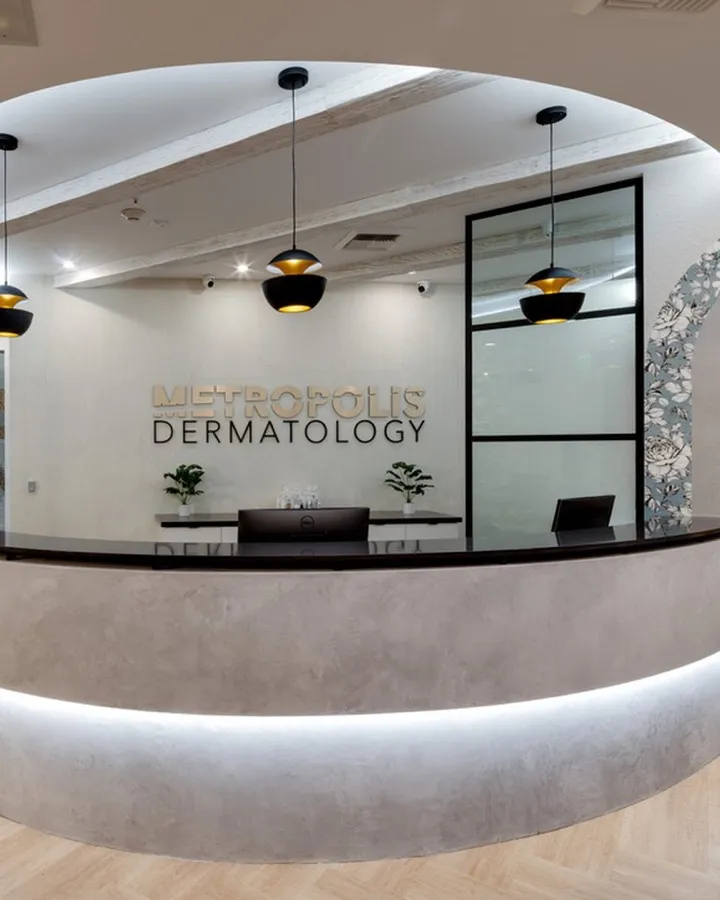
Looking for UVB phototherapy or an XTRAC laser in Los Angeles, Pasadena, Costa Mesa and Orange County, or San Jose? XTRAC is a prescription laser, so treatment starts with a medical visit. Metropolis serves patients from Downtown LA, Brentwood, Pasadena, Costa Mesa, and San Jose; when you book, our team will tell you which office offers XTRAC sessions.
Questions patients ask.
Is XTRAC the same as narrowband UVB?
XTRAC is a type of narrowband UVB phototherapy, delivered by a laser at 308 nm. The difference is where the light goes: XTRAC is directed to the affected patches, while whole-body narrowband UVB uses a light box for large areas of skin.
Is XTRAC more effective than other light treatment?
No one treatment works for everyone. A targeted laser suits patches in a certain part of the body, and a light box suits large areas. Your provider recommends what fits your skin and your condition.
How many sessions will I need?
It varies. Treatment requires a series of visits, and the schedule is adjusted according to diagnosis and response. Phototherapy usually means two or three visits a week for several weeks.
Does XTRAC hurt?
You may feel mild stinging or burning, and treated skin should look a little red or pink afterward. Blisters and burns are rare; tell us if either happens.
Can UVB phototherapy cause skin cancer?
The AAD lists an increased risk of skin cancer among the possible long-term effects of phototherapy, along with freckles and early skin aging. That is why phototherapy is not recommended for anyone who has had skin cancer, and why your provider monitors your skin during treatment.
Is XTRAC an option for darker skin?
Your provider assesses your skin type first. Light treatment can tan or darken treated skin and can make dark spots more noticeable, and dark spots are more common in medium to dark skin. Tell us if you want to avoid darkening.
Can I have phototherapy while pregnant or breastfeeding?
Tell us first. The AAD notes that dermatologists prescribe narrowband UVB for women who are pregnant or breastfeeding; your provider will decide with you whether XTRAC fits.
Can children have XTRAC?
The FDA clearance for current XTRAC lasers lists adults. If your child has psoriasis, vitiligo, or eczema, book a visit and we will talk through the options that fit their age.
Is it covered by insurance?
Insurance is accepted for eligible medical care. Coverage and prior-authorization requirements vary by plan; our team can explain any known coverage requirements before you start. See understanding your insurance.
How do I start?
Book a medical visit at any of our offices. A medical consultation begins with the concern that brought you in, followed by focused questions and an examination appropriate to that concern.