
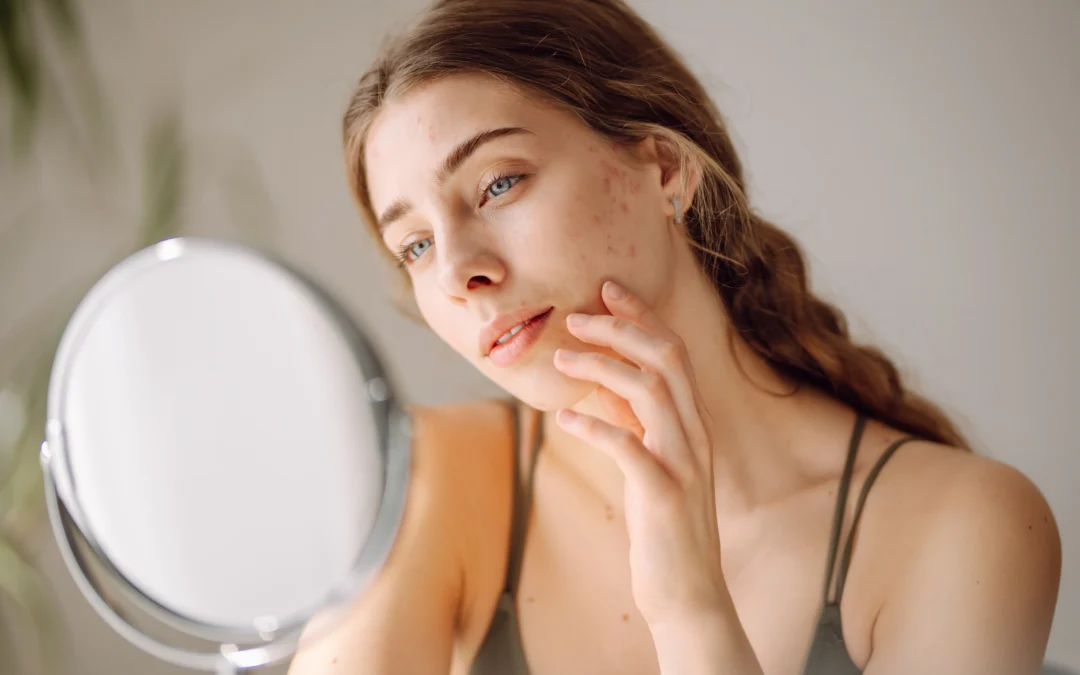
Summer is a season many people look forward to, but it can be surprisingly challenging for your skin. Higher temperatures, increased humidity, sunscreen, sweat, and extra time outdoors can all contribute to clogged pores and unexpected breakouts. Even patients who typically have their acne under control may notice flare-ups during the warmer months, while those already struggling with acne often find their symptoms becoming more persistent.
Fortunately, acne isn’t something you simply have to live with until the weather changes. Today’s professional acne treatment goes beyond over-the-counter products by addressing both active breakouts and the marks acne can leave behind. From medical-grade skincare and prescription therapies to advanced laser treatments and scar revision procedures, there are more options than ever to create a personalized treatment plan.
If summer breakouts have been frustrating your skincare routine, keep reading. Understanding why acne worsens during this season—and which treatments may help—can be the first step toward clearer, healthier-looking skin.
How Summer Makes Acne Worse
Warmer weather doesn’t directly cause acne, but it can create the perfect environment for breakouts to become more frequent or more noticeable. Several seasonal factors may contribute to summer acne flare-ups, including:
- Increased sweat production
- Higher humidity
- More oil on the skin
- Frequent sunscreen use
- Outdoor activities
- Heat-related irritation
These factors can work together to create conditions that encourage clogged pores and inflammation.
1. Sweat and Oil Build Up Faster
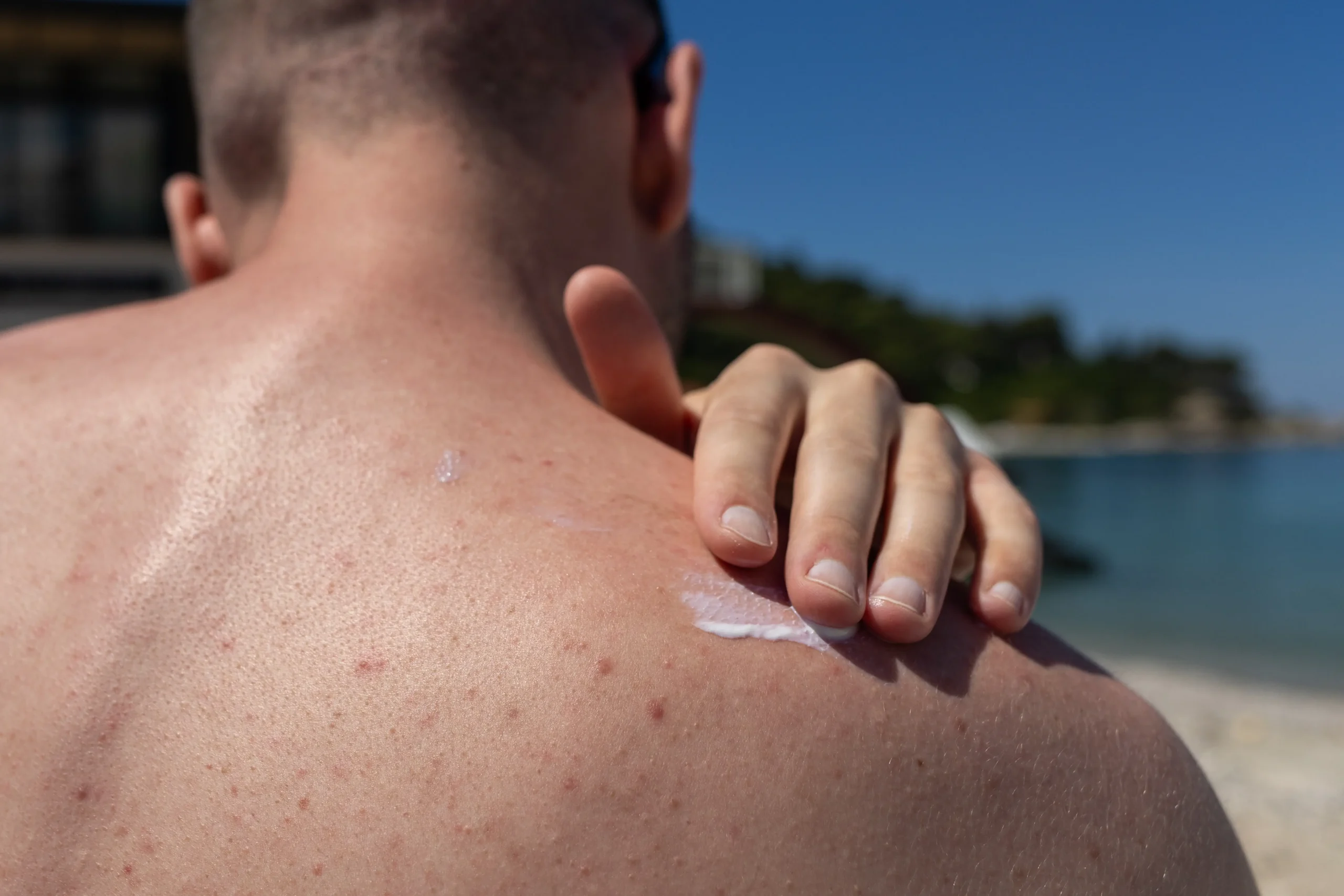
Hot temperatures naturally increase perspiration. When sweat mixes with excess oil, dead skin cells, sunscreen, and environmental debris, pores can become congested more easily. If the skin isn’t cleansed properly after outdoor activities or exercise, these impurities may contribute to acne flare-ups.
2. Sunscreen Can Feel Heavy
Daily sunscreen remains one of the most important parts of a healthy skincare routine. However, some formulations may feel heavier on oily or acne-prone skin. Choosing non-comedogenic sunscreen products and removing them thoroughly at the end of the day can help reduce buildup while still protecting your skin from harmful UV exposure.
3. Humidity Can Increase Shine
Humidity often stimulates additional oil production. For patients with naturally oily skin, this increase may make breakouts more frequent during the summer months. The combination of heat, oil, and environmental exposure creates conditions that may worsen existing acne rather than causing entirely new skin concerns.
4. Breakouts Can Lead to Lasting Marks
Active acne isn’t always the end of the story. Inflammation can sometimes leave behind discoloration, uneven texture, or acne scars that remain long after breakouts have healed. This is one reason many patients seek treatment not only for active acne but also for improving the appearance of acne-related skin changes.
Professional Acne Treatments That Target More Than Breakouts
Every patient’s acne is different. Some struggle with occasional breakouts, while others experience persistent acne or long-term scarring. That’s why professional treatment plans often combine multiple therapies based on the severity of acne, skin type, and treatment goals.
1. Medical-Grade Care
Successful acne treatment starts with understanding the cause. As shown in the reference, acne affects patients of all ages and can range from mild to severe. Rather than relying solely on over-the-counter products, providers often recommend medical-grade skincare and prescription therapies based on each patient’s specific needs.
Depending on the evaluation, acne treatment options may include:
- Medical-grade cleansers
- Prescription topical medications
- Oral medications when appropriate
- Personalized skincare recommendations
- Ongoing treatment adjustments
Because acne varies widely from one patient to another, treatment plans are customized rather than following a standard routine. For many patients wondering how to treat acne, beginning with a professional evaluation provides a clearer understanding of what’s contributing to their breakouts and which therapies are most appropriate.
2. PRP Helps Address Acne Scars
Clearing active acne is only one part of the journey. Many patients remain concerned about the scars left behind after breakouts have resolved. According to the reference, Platelet-Rich Plasma (PRP) uses concentrated platelets obtained from the patient’s own blood. These platelets contain naturally occurring growth factors that may support the skin’s healing response.
When used as part of acne scar treatment, PRP is often combined with procedures such as microneedling or laser therapy to complement skin rejuvenation. Rather than treating active acne itself, PRP focuses on supporting improvements in:
- Acne scars
- Skin texture
- Overall skin quality
- Healing after certain resurfacing procedures
Because results develop gradually, providers typically recommend individualized treatment plans based on scar type and severity.
3. RF Microneedling Supports Skin Remodeling
Acne scars affect more than skin color. Many scars create uneven texture because the skin’s collagen structure has been disrupted. Radiofrequency (RF) microneedling combines traditional microneedling with controlled radiofrequency energy delivered beneath the skin’s surface.
As shown in the reference, this treatment stimulates collagen remodeling while simultaneously delivering gentle thermal energy to deeper skin layers. Patients often choose RF microneedling because it may help improve:
- Acne scar appearance
- Uneven skin texture
- Mild skin laxity
- Overall skin quality
The reference also notes that RF microneedling can be combined with PRP to complement healing and support skin rejuvenation. Because collagen remodeling takes time, improvements generally occur gradually over several weeks and months following treatment.
4. Treating Acne Means Looking Beyond the Surface
Acne often develops from a combination of contributing factors rather than a single cause. Hormonal changes, excess oil production, clogged pores, inflammation, and bacteria can all play a role.
Because of this complexity, effective acne treatment for the face often involves addressing several aspects of the condition instead of focusing only on visible pimples. Professional evaluation helps determine which therapies are most appropriate while creating realistic expectations about the time required to see improvement.
5. CO₂ Laser Resurfacing for Deeper Scars
Some acne scars extend beyond the surface of the skin. When scars are more pronounced, laser resurfacing may be recommended as part of a comprehensive treatment plan. As shown in the reference, CO₂ laser resurfacing is one of the more intensive resurfacing procedures available for improving skin texture and scar appearance.
The treatment works by creating controlled microthermal zones within the skin, stimulating collagen remodeling while encouraging new skin to develop during the healing process. Depending on the patient’s concerns, CO₂ laser resurfacing may be recommended to improve:
- Acne scars
- Uneven skin texture
- Fine lines
- Enlarged pores
- Overall skin rejuvenation
Because this treatment reaches deeper layers of the skin, recovery time is generally longer than with less intensive procedures. Your provider will determine whether CO₂ resurfacing is appropriate based on your skin type, scar severity, and treatment goals.
6. Erbium:YAG Offers a Different Approach
Not every patient requires aggressive resurfacing. For individuals seeking a treatment that can be tailored to different levels of correction, Erbium:YAG fractional resurfacing may be an appropriate option.
According to the reference, this laser treatment can improve the appearance of acne scars, fine lines, pigmentation, enlarged pores, and uneven texture while stimulating collagen production. Depending on the treatment settings, it may be used as a lighter resurfacing procedure with minimal downtime or as a deeper resurfacing treatment for more significant concerns.
One advantage of this flexibility is that treatment can be adjusted based on each patient’s skin condition and desired outcome. Rather than applying the same protocol to every patient, providers customize the depth and intensity of treatment to align with individual goals.
7. Spectra FX Targets Texture and Skin Quality
Clearer skin isn’t only about reducing active acne. Many patients are equally concerned about the uneven texture and discoloration left behind after breakouts have healed.
The reference describes Spectra FX Laser as a fractional picosecond laser designed to promote collagen remodeling while improving skin quality through non-thermal optical effects. Patients may choose this treatment to address concerns such as:
- Acne scars
- Uneven skin texture
- Enlarged pores
- Pigmentation changes
- Overall skin tone
Because Spectra FX uses fractional technology, many patients appreciate its ability to improve skin quality with relatively minimal downtime compared to more aggressive resurfacing procedures.
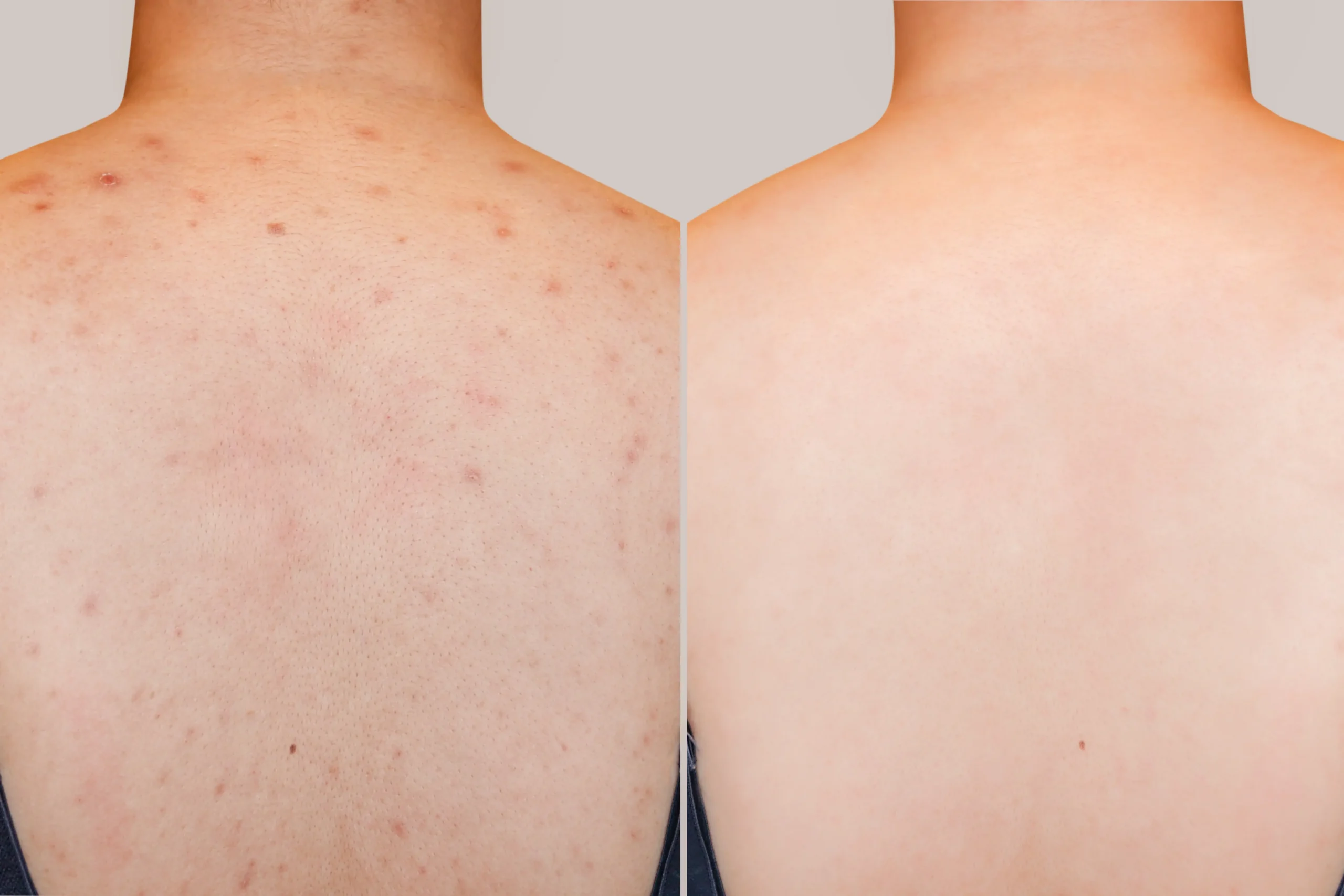
Individual results may vary
Take the Next Step Toward Healthier Skin
Persistent acne and acne scars don’t have to define how you feel about your skin. Modern acne treatment combines medical-grade skincare, prescription therapies, collagen-stimulating procedures, and advanced laser technologies to address both active breakouts and the lasting effects they leave behind. With the right evaluation, treatment can be tailored to your skin type, concerns, and long-term goals rather than following a one-size-fits-all approach.
At Metropolis Dermatology in Los Angeles, Pasadena, LA’s Westside (Brentwood), Costa Mesa, and San Jose, CA, patients receive personalized care that focuses on understanding the underlying causes of their skin concerns and selecting treatments that best support clearer, healthier-looking skin. Whether you’re managing active acne or looking to improve acne scars, an individualized treatment plan can help you move forward with greater confidence.
Call us now to schedule your appointment!