
Aging skin rarely changes in just one way. Fine lines become easier to spot, texture may feel less smooth, pigmentation becomes more noticeable, and the firmness you once took for granted can gradually soften. That’s why a thoughtful anti-aging treatment often works best when it addresses more than one part of the aging process.
Exosomes have become an exciting addition to this conversation because they’re associated with cellular communication and contain signaling molecules such as proteins, lipids, RNA, and growth factors. In aesthetics, exosome-based products may be paired with treatments that create controlled skin renewal, giving patients a layered approach to skin rejuvenation rather than relying on one modality alone.
Keep reading to see which treatments pair well with exosomes and why the right combination can make an anti-aging plan feel much more complete.
What Are Exosomes?
Exosomes are tiny extracellular vesicles naturally released by cells. You can think of them as microscopic messengers involved in communication between cells. They carry biological materials that can influence how recipient cells behave.
Among the substances associated with exosomes are proteins, lipids, RNA, and signaling molecules. In aesthetic applications, exosome-containing topical products are often discussed for their potential role in supporting the skin following procedures and complementing rejuvenation-focused treatments.
Some of their key characteristics include:
- Cellular communication: Exosomes carry signals between cells and are studied for their role in coordinating biological processes.
- Growth factor signaling: Exosome preparations may contain signaling proteins and other molecules associated with tissue responses.
- Skin rejuvenation support: In aesthetics, exosome-based products may be incorporated into treatment plans designed to improve the overall appearance of aging skin.
- Post-treatment support: They’re frequently paired with procedures that temporarily disrupt or stimulate the skin, depending on the product and clinical protocol.
- Combination potential: Exosome therapy may complement procedures addressing concerns such as texture, discoloration, fine lines, and overall skin quality.
It’s important to keep expectations grounded. Exosomes aren’t a magical replacement for established aesthetic treatments. Their role is generally complementary. The treatment paired with them still does much of the heavy lifting by targeting a specific skin concern.
That combination-focused philosophy is part of the growing field of regenerative aesthetics, where providers consider how biologically active products may complement treatments designed to stimulate renewal.
The Exosome Pairings Worth Knowing
The most useful pairing depends on what your skin actually needs. Treatments that address texture, pigmentation, collagen loss, or dullness can potentially be combined with exosome-based products as part of a broader rejuvenation strategy.
1. RF Microneedling for Firmness and Texture
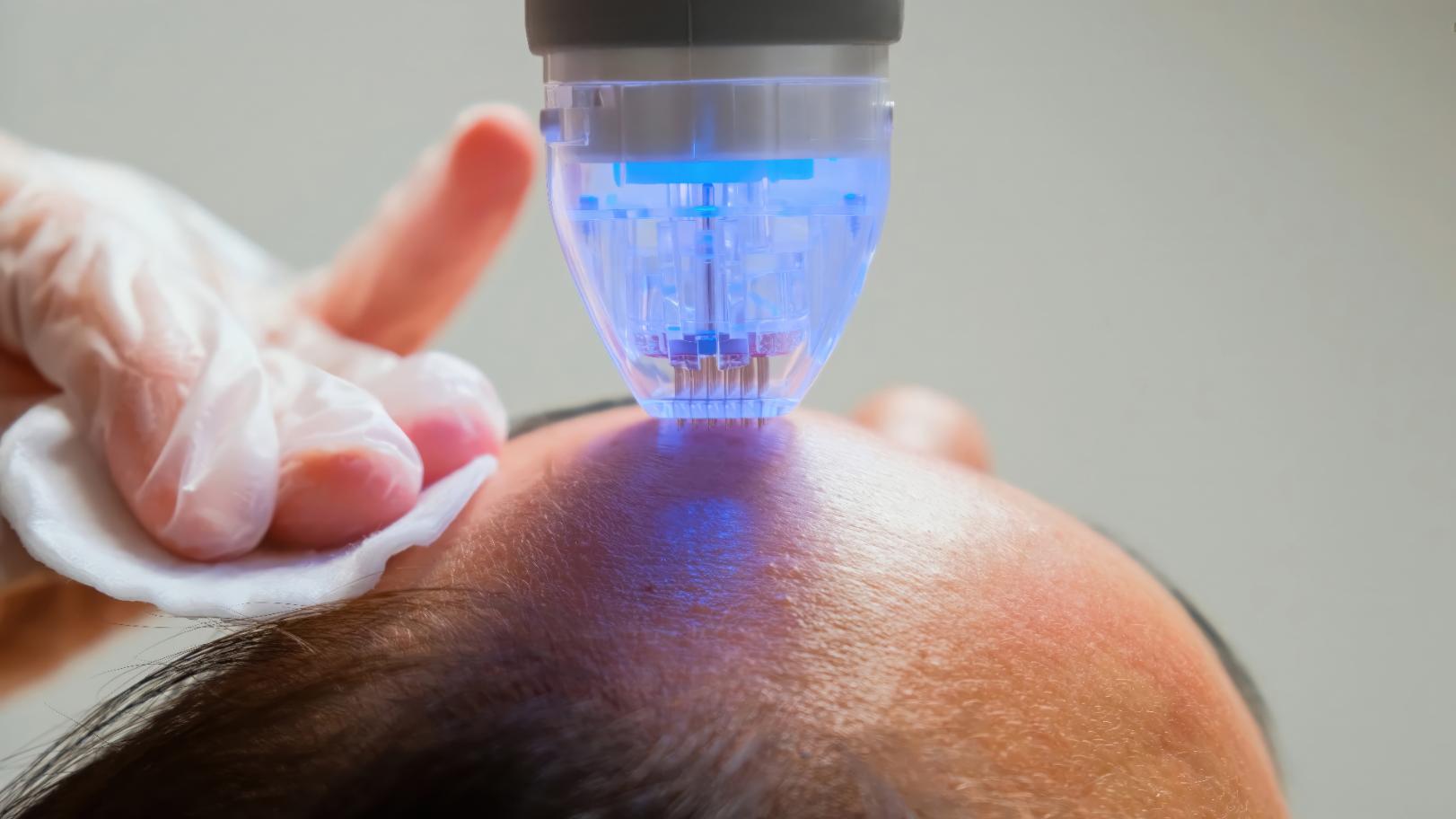
RF microneedling is a natural place to begin because it combines two rejuvenating mechanisms. The treatment uses tiny needles to create controlled microchannels while delivering radiofrequency energy into targeted layers of tissue. This controlled stimulation is used to encourage collagen remodeling and address concerns such as fine lines, laxity, uneven texture, and certain scars.
Exosome-based products may then be incorporated according to the provider’s treatment protocol. This pairing takes a layered approach to aging skin. RF microneedling provides the controlled mechanical and thermal stimulation, while the exosome component is used as an adjunct to the overall rejuvenation process.
It may be particularly appealing to patients whose concerns extend beyond fine lines. If the skin also looks less firm, rougher, or generally less refined, targeting its underlying structure can make more sense than focusing exclusively on the surface. The result isn’t about changing your face. It’s about improving the quality of the skin covering it.
2. Microneedling for Collagen Renewal
Traditional microneedling can also complement exosome-based skincare. Microneedling creates controlled micro-injuries using very fine needles. These microchannels trigger the skin’s natural repair response and stimulate new collagen production. Over time, this can improve texture, fine lines, enlarged pores, and certain types of scarring.
Because microneedling temporarily creates microchannels in the skin, some aesthetic protocols pair the procedure with topical products selected specifically for post-procedure use. This is where exosomes have attracted interest.
Rather than expecting an exosome product to resurface the skin independently, the pairing combines microneedling’s established collagen-stimulating action with a biologic adjunct.
For patients interested in exosome therapy, this distinction matters. The goal isn’t to choose between microneedling and exosomes. When clinically appropriate, the two may serve different roles within the same treatment strategy.
3. LaseMD Ultra for Pigment and Texture
Aging isn’t always most visible as a wrinkle. Sometimes it shows up as uneven color. Sun exposure can leave behind freckles, brown patches, dullness, and irregular pigmentation. Meanwhile, gradual changes in skin turnover can make the complexion appear less bright and refined.
LaseMD Ultra is a non-ablative fractional laser treatment used to address pigmentation and skin texture. It creates controlled microscopic treatment zones while leaving surrounding tissue intact, which supports the skin’s renewal process.
Pairing a fractional treatment with an appropriate exosome-based product can create a broader rejuvenation plan. The laser targets visible concerns, while the complementary treatment is incorporated around the skin’s post-procedure response. This can be especially relevant for patients who say their skin simply looks “older” but can’t point to one deep wrinkle as the reason.
Often, what they’re noticing is a combination of pigmentation, roughness, reduced luminosity, and fine textural changes. Treating several contributors can create a more meaningful improvement than chasing wrinkles alone.
4. eCO2 Laser for More Intensive Resurfacing
Some patients need more than a light refresh. When more pronounced textural damage, wrinkles, or certain scars are present, fractional CO2 laser resurfacing may be considered. An eCO2 laser creates controlled zones of thermal injury that stimulate an intensive repair and remodeling response. This is a more significant resurfacing approach than gentler treatments, so candidacy and recovery considerations become particularly important.
Exosome-based products may be incorporated into some post-procedure protocols as an adjunct, depending on the formulation and provider’s clinical approach. This pairing also illustrates an important principle: more aggressive isn’t automatically better.
A patient with mild early aging doesn’t necessarily need intensive resurfacing simply because it can produce substantial changes. Treatment intensity should correspond with the concern, skin characteristics, tolerance for recovery, and desired outcome.
Exosomes don’t change that calculation. They become one component within an appropriately selected treatment plan.
5. PRP for a Regenerative Combination
Platelet-rich plasma, or PRP, brings another regenerative approach into the conversation.
PRP is prepared from a patient’s own blood. After processing, the platelet-rich portion is used because platelets release numerous signaling proteins and growth factor molecules involved in normal healing processes.
PRP may be used for facial rejuvenation or delicate areas such as the under-eyes, depending on the patient’s needs.
Although PRP and exosomes are sometimes discussed in similar conversations, they aren’t the same thing. PRP is autologous, meaning it comes from the patient’s own blood. Exosome-based products come from different sources depending on their formulation and manufacturing process.
A provider may consider regenerative options based on the concern being treated rather than treating the terms as interchangeable. For example, PRP may be appropriate when a patient’s treatment plan focuses on supporting tissue quality through their own platelet-derived components.
An exosome-based adjunct may play a different role within another procedure. The larger takeaway is that modern rejuvenation doesn’t have to rely on a single pathway.
6. Chemical Peels for Brighter Skin
Not every effective pairing needs a device. Chemical peels remain valuable because they can address concerns sitting closer to the skin’s surface. Depending on their ingredients and strength, peels can encourage controlled exfoliation and improve the appearance of pigmentation, roughness, fine lines, acne-related concerns, and dullness.
Options such as TCA or VI Peel treatments may be selected according to skin type and treatment goals. The potential relationship with exosome-based products is largely about creating a more comprehensive rejuvenation strategy rather than performing two treatments simply because they’re available.
A peel may handle surface-level renewal. Other treatments can address deeper collagen remodeling. Exosome products may then be incorporated where clinically appropriate within the broader plan.
That layered thinking prevents anti-aging care from becoming repetitive. Instead of performing several treatments that accomplish essentially the same task, each component should have a reason for being there.
7. LED Light Therapy for a Gentler Addition
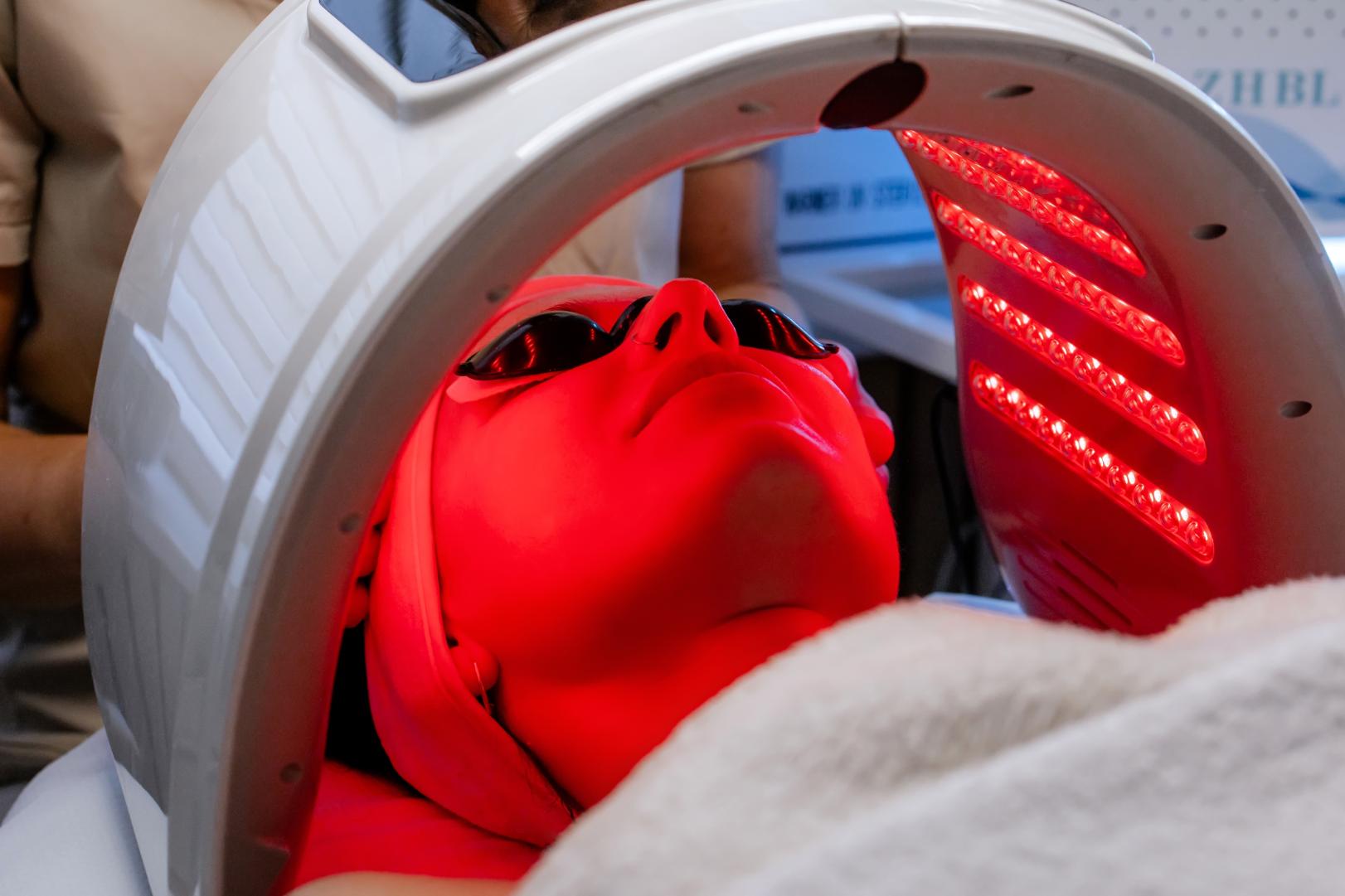
Not every anti-aging appointment needs to be aggressive. LED light therapy offers a non-invasive option that may be incorporated into aesthetic plans without the resurfacing intensity associated with lasers or deeper peels.
Different wavelengths of light are used for different purposes, with some protocols focusing on skin rejuvenation and inflammation-related concerns. This can make LED a useful complement within a larger treatment program.
For example, patients may undergo a more intensive procedure at certain intervals while using gentler supportive modalities between those appointments. This creates continuity without repeatedly asking the skin to recover from aggressive treatments.
When exosome-based products are part of the plan, providers can determine how they fit alongside these other modalities. The advantage is flexibility. Anti-aging doesn’t have to mean constantly doing more. Sometimes the smartest strategy is alternating corrective treatment with supportive care.
Why Combination Therapy Makes Sense
Skin aging is multifactorial. Collagen changes, cumulative sun exposure, repetitive facial movement, pigmentation, slower cellular turnover, volume loss, and lifestyle factors can all contribute to what you see in the mirror.
No single treatment addresses every one of those changes. That’s why combination therapy can be so useful. One treatment may improve pigment. Another stimulates collagen. Another addresses surface texture. Exosome-based products may complement selected procedures within that broader strategy.
The key is thoughtful sequencing. Doing everything at once isn’t necessarily the most sophisticated approach. Some procedures shouldn’t be combined during the same appointment, and certain skin types require additional caution. Recovery time, sensitivity, pigmentation risk, medical history, and previous treatments all influence the plan.
A personalized schedule can spread treatments across weeks or months, allowing the skin to respond before the next step is introduced.
Build a Smarter Anti-Aging Plan
Aging skin doesn’t need to be treated like a problem that requires one dramatic solution. Often, the most thoughtful approach is to identify what has actually changed and pair treatments that address those concerns from different angles.
At Metropolis Dermatology in Los Angeles, Pasadena, LA’s Westside (Brentwood), Costa Mesa, and San Jose, CA, patients can explore personalized skin rejuvenation strategies that thoughtfully incorporate exosomes alongside appropriate aesthetic treatments. The goal is a plan built around your skin, your priorities, and the kind of improvement that makes sense for you over time.
Call us today to book your appointment!