

Skin enhancement doesn’t always have to come from adding something artificial. Sometimes, the most interesting approach begins with resources already found within your own blood. PRF has become part of this more regenerative approach to aesthetics, using a concentrated form of platelet-rich fibrin to support gradual improvements in skin quality.
But the treatment itself is only part of the story. What you do afterward matters, too. Freshly treated skin needs a routine that respects the recovery process rather than overwhelming it with every active ingredient in your cabinet.
A thoughtful skincare plan can complement your PRF treatment while helping you protect the improvements developing beneath the surface. Continue reading for a practical look at what PRF does and how to care for your skin afterward.
What Is PRF?
PRF stands for platelet-rich fibrin, a blood-derived preparation used within regenerative medicine and aesthetics. It is created from a small sample of the patient’s own blood, which is processed to concentrate platelets and form a fibrin-rich matrix containing cellular components and signaling proteins involved in the body’s normal repair processes.
Because PRF comes from the patient’s own blood, it has become an appealing option for people interested in regenerative aesthetics. Rather than simply adding temporary surface volume, PRF is generally used to support gradual tissue rejuvenation and natural collagen stimulation.
Depending on the treatment plan, PRF may be incorporated in several ways:
- PRF injections: PRF can be carefully injected into targeted facial areas, including regions where skin quality or subtle volume changes are concerns.
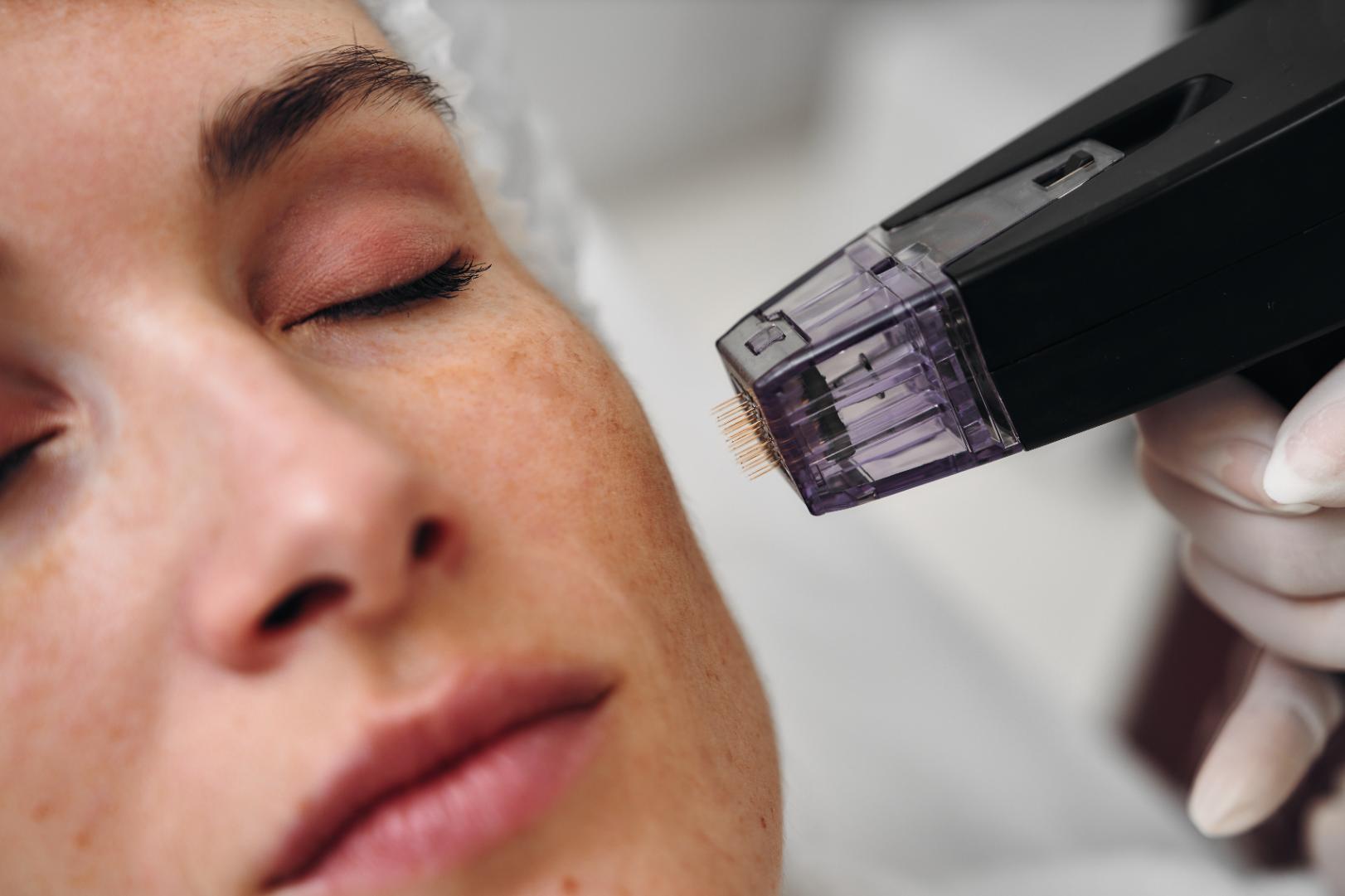
- PRF microneedling: Microneedling creates controlled microchannels in the skin and may be combined with PRF as part of a rejuvenation protocol.
- PRF hair restoration: PRF may be injected into areas of the scalp as part of a treatment plan for certain forms of hair thinning.
- Combination treatments: Providers may incorporate PRF alongside other aesthetic procedures when clinically appropriate.
Patients also commonly ask about PRF vs. PRP. Both come from the patient’s own blood, but they are prepared differently. PRF typically involves a different centrifugation process and forms a fibrin matrix, while platelet-rich plasma, or PRP, remains a more liquid preparation. Neither should automatically be considered “better.” The appropriate option depends on the treatment area, goals, and provider’s protocol.
PRF results also aren’t designed to appear all at once. Depending on how it is used, improvements may develop gradually as the treated tissue responds over the following weeks and months.
How to Make Your Post-PRF Routine Count
Aftercare shouldn’t be complicated simply for the sake of being thorough. Following PRF, the goal is to give treated skin a calm environment while avoiding habits that could unnecessarily irritate it.
1. Follow Your Provider’s Instructions First
The best skincare routine after PRF begins with something surprisingly simple: follow the specific directions you were given. PRF isn’t performed in exactly the same way for every patient. PRF injections around the under-eyes have different aftercare considerations from PRF microneedling across the face. A scalp treatment for PRF hair restoration is another situation altogether.
Your provider knows where the PRF was placed, how the procedure was performed, and whether it was combined with another modality. Their instructions should take priority over general skincare advice you find elsewhere.
This is particularly important during the first day or two. Some patients may experience temporary redness, swelling, tenderness, or bruising depending on the treatment performed. Don’t assume that adding more products will make the skin recover faster. Immediately after treatment, simpler is often smarter.
2. Give Your Skin a Gentle Cleanse
Cleansing sounds basic, but this isn’t the moment for an aggressive deep clean. Once your provider says washing the treated area is appropriate, choose a gentle cleanser that removes everyday debris without leaving the skin feeling stripped or tight. Lukewarm water is generally kinder than very hot water, especially when the skin is temporarily sensitive.
Skip facial brushes, cleansing devices, rough washcloths, and scrubs during early recovery. If you’ve undergone PRF microneedling, the skin has experienced controlled micro-injury as part of the procedure. Scrubbing it afterward works against the calm recovery environment you’re trying to create.
Use clean hands and light pressure. Pat the face dry instead of rubbing it. A clean routine also means thinking beyond your cleanser. Fresh pillowcases and clean towels are simple details that can make post-treatment care feel more hygienic and comfortable.
3. Keep Hydration Simple
Patients sometimes treat post-procedure skincare like an opportunity to apply every serum they own. PRF recovery isn’t the ideal time for that experiment. A straightforward moisturizer can help support the skin barrier and reduce the uncomfortable dry or tight sensation that sometimes follows aesthetic treatments.
Look for a formula appropriate for sensitive or post-procedure skin, particularly if your PRF was combined with microneedling. Hydration is about comfort and barrier support. It isn’t about trying to force PRF results to happen faster.
The underlying response associated with platelet-rich fibrin takes time. No moisturizer can compress that biological process into a few days. What skincare can do is support the surface of the skin while those gradual changes take place underneath.
Once your skin has settled, your normal hydrating products can typically be reintroduced according to your provider’s recommendations.
4. Put Strong Actives on Hold
One of the easiest ways to complicate post-PRF recovery is to become impatient with your skincare routine. Retinoids, exfoliating acids, abrasive scrubs, strong acne products, and other potentially irritating ingredients may need to be temporarily paused. The appropriate length of that pause depends on the procedure performed and how your skin is responding.
This matters even more following PRF microneedling because the treatment deliberately creates controlled microchannels. Your usual skincare products weren’t necessarily formulated for freshly treated skin.
Think of this period as a temporary reset rather than lost progress. Taking several days away from aggressive exfoliation isn’t going to undo months of skincare. Giving your complexion time to settle may actually make it easier to return to your usual routine comfortably.
When actives are reintroduced, do so gradually. Starting everything again on the same night can make it difficult to determine which product caused irritation if your skin reacts.
5. Make Sun Protection Non-Negotiable
If you’re investing in skin rejuvenation, protecting your skin from unnecessary ultraviolet exposure deserves a permanent place in your routine.
After PRF, your provider may recommend daily broad-spectrum sunscreen and additional sun-protective measures. This becomes particularly important when PRF has been paired with a procedure that temporarily leaves the skin more sensitive.
Sun protection also matters beyond the recovery window. UV exposure contributes to collagen breakdown, pigmentation changes, and visible photoaging. Those are exactly the types of changes many patients are trying to improve through natural collagen stimulation and regenerative treatments.
Sunscreen, shade, hats, and avoiding unnecessary peak sun exposure aren’t glamorous steps, but they’re among the most practical ways to protect the skin you’re investing in. Think of SPF as maintenance rather than an afterthought.
6. Don’t Massage or Press the Treatment Area
After injectable treatments, it can be tempting to touch the area repeatedly. You may want to check the swelling, feel the texture, or press on a spot that looks slightly different. Unless your provider specifically instructs you to massage the area, leave it alone. This is particularly relevant after facial PRF injections.
Temporary swelling or mild asymmetry during early recovery doesn’t necessarily represent the final result. Manipulating the treatment area because you’re worried about how it looks several hours later may only create additional irritation. The under-eye region deserves extra care because the tissue there is delicate and swelling can be noticeable.
Give the area time. If something about your recovery genuinely concerns you, contact the treating practice rather than attempting to correct it yourself.

7. Treat Exercise as Part of Aftercare
Skincare isn’t limited to what comes out of a bottle. Strenuous exercise raises body temperature and increases circulation. Depending on your procedure, your provider may recommend temporarily avoiding intense workouts, hot yoga, saunas, steam rooms, or similar heat exposure following treatment.
That doesn’t mean movement itself is bad for your skin. It’s simply about allowing the immediate post-procedure period to pass without adding unnecessary heat or irritation. The same logic applies to swimming and other activities that expose newly treated skin to environments your provider may want you to avoid temporarily.
Your normal routine will return soon enough. A short break is easier than dealing with an irritated treatment area because you rushed back too quickly.
8. Support Your Skin Beyond Skincare
A beautifully organized skincare shelf can’t replace basic health habits. Your skin is living tissue, and regenerative treatments depend on biological processes that occur over time. Adequate hydration, balanced nutrition, sleep, and avoiding smoking can all be part of a sensible wellness routine.
This is where the philosophy behind regenerative aesthetics becomes especially relevant. PRF isn’t intended to function like makeup or a surface-level cosmetic. It works within a treatment strategy focused on supporting tissue quality and gradual rejuvenation.
That doesn’t mean drinking extra water will suddenly double your collagen. It means supporting your general health rather than expecting one procedure to compensate for every lifestyle factor affecting your skin. PRF works best as part of a broader plan, not as permission to neglect the basics.
Give Your PRF Results Room to Develop
The days after treatment don’t require an elaborate beauty ritual. They call for thoughtful care, patience, sun protection, and a routine suited to the specific procedure you received.
At Metropolis Dermatology in Los Angeles, Pasadena, LA’s Westside (Brentwood), Costa Mesa, and San Jose, CA, patients can explore personalized PRF treatment plans and receive guidance on caring for their skin throughout the rejuvenation process.
From the procedure itself to the weeks that follow, a well-planned approach can help you make the most of your treatment while keeping your skincare focused on what your skin actually needs.
Contact us today to schedule your consultation!