
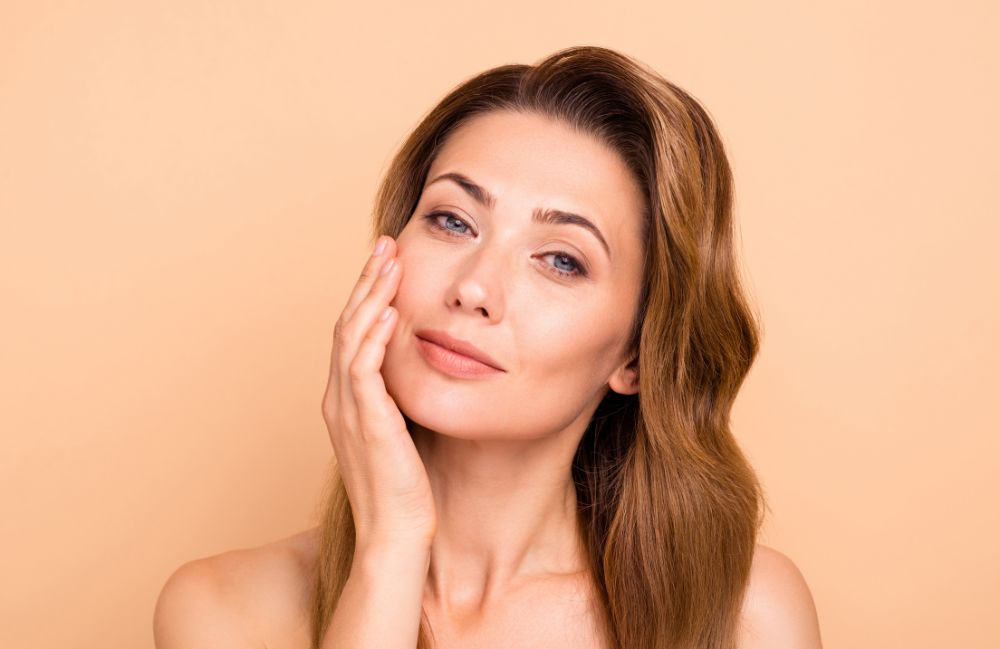
Dynamic wrinkles come from years of expression: smiling, squinting, concentrating, raising the brows, and living a full life. Over time, those movement-based lines can stay visible even when the face is relaxed, making patients look tired, tense, or older than they feel.
Botox® can help soften these wrinkles by temporarily relaxing the muscles responsible for repeated facial creasing. For older patients, Botox® offers a precise, trusted way to refresh expression without changing personality or facial character.
Continue reading to see why this classic treatment remains a favorite for natural-looking wrinkle control.
What Is Botox®?
Botox® is a brand of botulinum toxin type A used in both cosmetic and medical settings. In aesthetics, Botox® injections are most commonly used to soften dynamic wrinkles by temporarily reducing targeted muscle activity beneath the skin.
Dynamic wrinkles form when facial muscles repeatedly contract in the same areas. Over many years, the skin begins to crease more deeply, especially as collagen, elastin, and skin thickness decline with age. Botox® helps interrupt that repetitive motion so the overlying skin can appear smoother and more relaxed.
Botox® is commonly used for:
- Crow’s feet reduction
- Forehead line treatment
- Frown line smoothing
- Brow-area refinement
- Lines between the eyebrows
- Wrinkles caused by repeated expression
- Preventing existing lines from becoming deeper
What makes Botox® different from fillers is its mechanism. Fillers restore volume, while Botox® works on muscle movement. That makes it a neuromodulator wrinkle treatment rather than a volume treatment.
Botox® has also earned its reputation through decades of use, research, and broad acceptance. It is known for predictable results when placed correctly and remains one of the most recognized anti-aging injectables in cosmetic dermatology.

Why Older Patients Keep Choosing Botox®
Botox® is not only popular with younger patients trying to prevent lines. Older patients often love it because it addresses the wrinkles that come from decades of expression while still allowing them to look natural, alert, and like themselves.
For mature faces, the goal is rarely to erase every line. The better goal is refinement. Botox® can soften the areas where expression has become etched into the skin, helping the face look less tense, less fatigued, and more rested.
1. Targets the Wrinkles Movement Creates
Dynamic wrinkle therapy is especially valuable for older patients because many visible lines are directly tied to repeated facial movement. Every smile, squint, and frown leaves a memory in the skin over time.
Botox® works by relaxing specific muscles that create those patterns. When those muscles move less intensely, the skin above them creases less. This can make lines appear softer and prevent them from deepening as quickly.
For older patients, this targeted approach matters. Instead of treating the entire face aggressively, Botox® focuses on the exact muscles responsible for expression lines. That precision allows for controlled improvement without unnecessary changes to surrounding features.
2. Softens Crow’s Feet Without Removing Warmth
Crow’s feet are among the most common concerns for older patients. These lines often appear at the outer corners of the eyes after years of smiling, laughing, squinting, and sun exposure.
Crow’s feet reduction with Botox® can help soften these lines while preserving natural expression. When done properly, the eyes can still look warm and engaged, but the deep crinkling around the corners appears more relaxed.
This is one reason older patients appreciate Botox®. The treatment does not have to make the face look frozen. A thoughtful dose can maintain the character of a smile while reducing the lines that make the eyes look overly tired.
3. Makes Forehead Lines Look Calmer
Forehead lines often become more noticeable with age because the skin becomes thinner and less elastic. Repeated brow lifting can turn temporary lines into deeper horizontal creases.
A forehead line treatment with Botox® can help reduce the intensity of muscle movement across the forehead. This allows the area to look smoother and more rested.
For older patients, a conservative technique is important. Too much Botox® in the forehead can create heaviness, especially if the brows already sit lower with age. Skilled placement aims for softening, not flattening. The goal is a refreshed forehead that still moves naturally enough to communicate expression.
4. Helps Frown Lines Look Less Severe
Frown lines between the eyebrows can make patients look angry, worried, or stern even when they feel perfectly calm. These “11 lines” are caused by repeated contraction of the muscles that pull the brows inward.
Frown line smoothing is one of the classic uses for Botox® injections. Relaxing these muscles can help soften the vertical creases and create a more approachable, relaxed appearance.
Older patients often appreciate this effect because frown lines can change how others perceive their mood. Botox® can help the face better match how the patient actually feels inside: calm, present, and composed.
5. Refreshes Without Adding Volume
Not every aging concern needs volume. Some older patients are hesitant about fillers because they worry about looking puffy, overfilled, or unlike themselves. Botox® offers a different kind of anti-aging support.
Because Botox® is a neuromodulator wrinkle treatment, it does not add fullness. It simply reduces the movement, causing certain wrinkles. This makes it appealing for patients who want a lighter, more precise refresh.
Botox® can also pair beautifully with other treatments when needed. A patient may use Botox® for dynamic wrinkles and another treatment for volume loss, skin texture, or collagen support. Each tool has its role, and Botox® remains one of the most reliable options for expression-related lines.
6. Can Prevent Lines From Getting Deeper
Older patients are not only treating the lines they already have. Many are also trying to keep them from becoming more etched.
When dynamic wrinkles are repeatedly folded, they can eventually become visible even at rest. Botox® can reduce the repeated motion that contributes to this deepening process.
This does not mean Botox® stops aging. It means it can slow the progression of certain movement-based wrinkles. For patients who want to maintain a polished appearance over time, that preventive benefit is a major reason they continue treatment.
7. Works Well With Mature Skin Goals
Mature skin often needs a more balanced approach than younger skin. Older patients may have dynamic wrinkles, volume loss, sun damage, skin laxity, and texture changes happening at the same time.
Botox® addresses only one part of that picture, but it addresses it very well. Softening muscle-related lines, it helps create a smoother foundation for the rest of the face.
This is why Botox® remains a staple in anti-aging injectables. It can be used alone for subtle improvement or combined with treatments like fillers, Sculptra, lasers, or skincare for a more complete rejuvenation plan.
8. Delivers Predictable Results
Botox® has been widely used for cosmetic treatment for decades, which gives patients confidence. Its history, research background, and familiar profile make it one of the most recognized names in aesthetics.
Older patients often value predictability. They want to know what to expect, how long results may last, and how the treatment will fit into their routine.
While results vary, Botox® is generally known for a gradual onset over several days, with full effects often becoming more visible within about two weeks. Results are temporary, which allows patients to maintain or adjust their treatment plan over time.
9. Supports a Rested Appearance
One of the most common reasons older patients choose Botox® is simple: they want to look less tired.
Dynamic wrinkles can create shadows and tension across the face. Crow’s feet may make the eyes look fatigued. Frown lines may make the expression look stressed. Forehead lines may create a worn-down appearance.
Botox® can soften these visual cues, helping the face appear more rested and open. The best results do not make patients look like someone else. They help patients look like themselves after better sleep, less stress, and a little more ease.
10. Can Be Customized by Area
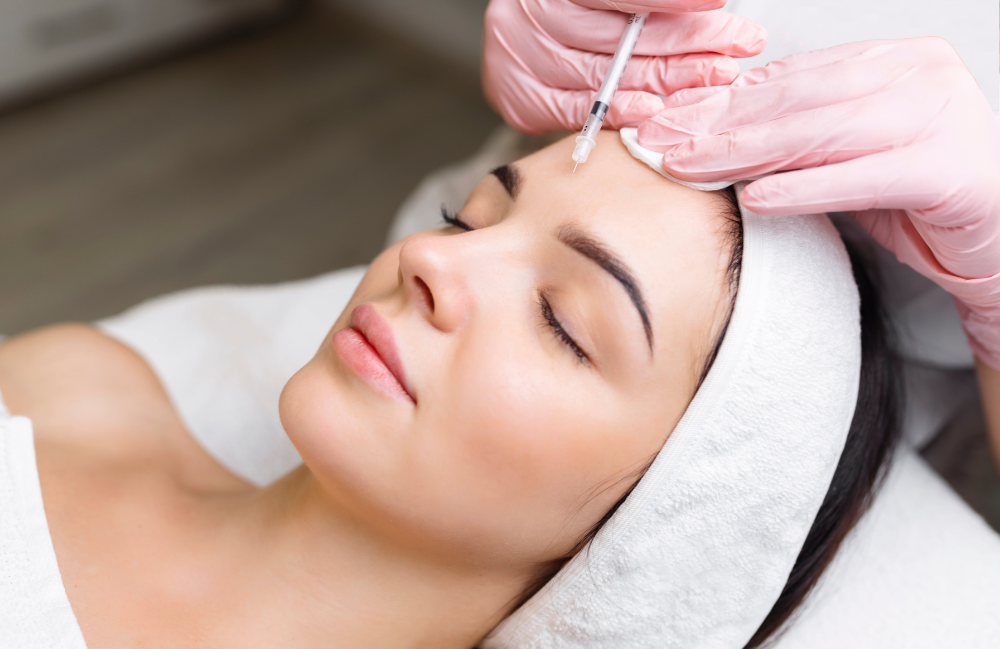
Botox® is not an all-or-nothing treatment. Patients can choose targeted areas based on their concerns and comfort level. Some may start with frown line smoothing because that area bothers them most. Others may prioritize crow’s feet reduction or forehead line treatment. Some patients may treat multiple areas in one plan for balanced improvement.
Customization is especially important for older patients because facial anatomy changes with age. Muscle strength, brow position, skin thickness, and natural expression all need to be considered. A personalized plan helps create soft, age-appropriate results.
A Classic for a Reason
Botox® remains one of the most trusted options for dynamic wrinkles because it targets the muscle movement behind crow’s feet, forehead lines, and frown lines. For older patients, Botox® injections can soften expression-related wrinkles while preserving natural facial character.
Metropolis Dermatology in Los Angeles, Pasadena, LA’s Westside (Brentwood), Costa Mesa, and San Jose, CA, offers Botox® treatment planning with an educational, precise approach focused on natural-looking results.
For patients considering anti-aging injectables, Botox® continues to be a reliable choice for refined dynamic wrinkle therapy without surgery or dramatic change.
Contact us today to schedule your consultation!