
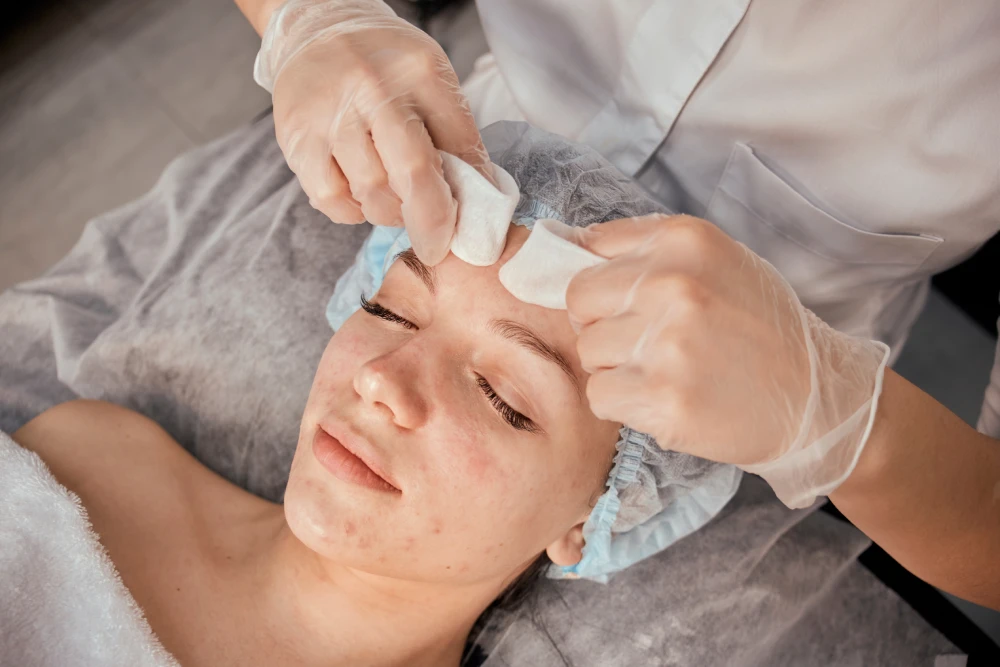
Acne scars can feel like stubborn reminders of a skin chapter you’d rather close. They often resist creams, serums, and even certain laser treatments, leaving patients frustrated and self-conscious.
What many don’t realize is that the texture and depth of some scars—especially rolling acne scars—are caused by fibrous bands tethering the skin down beneath the surface. That’s where subcision acne scar treatment comes in.
This minimally invasive technique targets the root cause of certain scar types, literally releasing the skin from the tissue that’s pulling it inward. The result? Smoother texture, improved contours, and renewed confidence.
If you’ve ever looked in the mirror and wished for a way to soften those deep scars without weeks of downtime, keep reading. By the end of this article, you’ll know exactly how subcision works, whether you’re a good candidate, and what results you can expect from this targeted atrophic scar treatment.
What Is Subcision?
Let’s start with the basics: subcision is a minor surgical procedure specifically designed to treat depressed scars, most notably rolling acne scars. These scars have soft, sloping edges and are caused by fibrous strands anchoring the skin down to deeper tissues.
During subcision, a small needle is inserted beneath the scar to break up those fibrous bands. This mechanical release allows the skin to lift and smooth out naturally. In addition, the microtrauma caused by the needle triggers collagen induction therapy, prompting your body to produce new collagen and elastin to heal the treated area.
Unlike topical products that can’t penetrate deep enough to affect scar structure, subcision works from the inside out—addressing both the physical tethering and the collagen deficit that contribute to uneven skin texture.
The Ideal Candidates for Subcision
While subcision is a powerful tool in the fight against acne scarring, it isn’t a one-size-fits-all procedure. The best results happen when the right technique meets the right patient profile. Knowing whether you’re a good match is the first step toward getting smoother, more even skin.
Here’s who tends to see the most impressive transformations with subcision acne scar treatment:
1. Patients with Rolling Acne Scars
Rolling scars are the MVP of subcision’s success stories. They’re broad, shallow depressions with soft edges that create a wave-like texture on the skin. These scars are caused by fibrous bands anchoring the skin to deeper tissues.
Subcision targets and cuts these bands, allowing the skin to rise naturally. If you see indentations that smooth out when you stretch your skin gently, you’re likely in this category.
2. Those with Noticeable Skin Tethering
If your scars visibly improve when the skin is pulled taut, it means tethering is playing a big role in their appearance. Subcision directly addresses this physical tethering, making it a targeted solution where topical creams or peels have little to no effect.
3. People with Healthy Skin and Good Healing Capacity
Patients who are generally healthy, follow a balanced diet, and maintain a consistent skincare routine often see faster recovery and more collagen growth after subcision. Non-smokers and those without chronic inflammatory skin conditions tend to achieve the most consistent results.

**individual results may vary**
4. Patients Who Have Tried Other Treatments Without Enough Improvement
If you’ve experimented with chemical peels, microdermabrasion, or light-based therapies but still see indentations, subcision might be the missing link. Since it works beneath the skin’s surface, it can succeed where surface-level treatments fall short.
5. Individuals Looking for a Non-Laser Option
For patients with medium to dark skin tones or those prone to post-inflammatory hyperpigmentation, certain laser treatments can carry risks. Subcision offers a mechanical—not light-based—approach, making it a safer option for many who can’t undergo aggressive resurfacing.
6. Those Without Active Acne Breakouts
Subcision should be performed on skin that’s clear of active acne lesions. This minimizes the risk of infection and allows the focus to remain solely on scar correction. Treating active acne first will also prevent the formation of new scars after the procedure.
7. Realistic Goal-Setters
Subcision is powerful, but it’s not magic. The best candidates understand that significant improvement is possible, but perfection is unlikely in a single session. Many patients see the most dramatic results with a series of treatments combined with other modalities like microneedling or dermal fillers.
8. Patients Willing to Commit to Aftercare
While downtime is relatively minimal, bruising and swelling are normal for a few days. The best results come when patients follow post-treatment guidelines—avoiding certain skincare products, protecting the skin from UV exposure, and keeping the area clean.
Results You Can Expect from Subcision
When performed by an experienced provider, subcision offers both immediate and long-term benefits. Here’s why it’s gaining popularity in the world of acne scar removal:
- Noticeable Lifting of Depressed Scars. The primary benefit comes from the mechanical release of scar tissue. By cutting the fibrous bands, the skin is free to lift and flatten, reducing the shadowing effect that often makes scars more noticeable.
- Smoother Skin Texture Over Time. Beyond the instant lift, subcision triggers your body’s natural healing process. The collagen induction therapy effect means that over the next several months, you’ll see progressive improvements in skin smoothness.
- Long-Lasting Results. Once those tethering bands are broken, they don’t reform. Combined with new collagen growth, many patients enjoy results that last years, especially when supported with good skincare and sun protection.
- Minimal Downtime Compared to Surgery. While you may experience some swelling, bruising, or tenderness for a few days, most patients resume regular activities quickly—making this a low-interruption procedure.
- Customizable for Combination Therapy. Subcision often works even better when paired with other treatments like microneedling, fractional lasers, or dermal fillers. For example, filler can be placed after subcision to further lift the scar and stimulate collagen.
- Suitable for Multiple Facial Areas. While most common on the cheeks, rolling scars can appear on other areas of the face. Subcision can target these zones precisely, without affecting the surrounding skin.
- Works for Different Skin Types. Because subcision doesn’t rely on light energy or heat, it’s safe for a broad range of skin tones, including those prone to post-inflammatory hyperpigmentation from other treatments.
- Natural, Gradual Improvement. Your friends and coworkers might notice you look more refreshed without being able to pinpoint exactly why. The slow build of collagen creates subtle, natural-looking results.
- Boost in Self-Confidence. Acne scars often affect how people feel about themselves. Seeing a smoother reflection in the mirror can dramatically improve self-esteem and comfort in social settings.
- A Step Toward Complete Skin Rejuvenation. Subcision can be part of a broader skin treatment plan, addressing texture while other treatments focus on tone, pigmentation, or overall radiance.

Final Thoughts
Subcision acne scar treatment stands out because it doesn’t just camouflage scars—it tackles the structural cause. Whether you’ve been living with rolling acne scars for years or you’re exploring atrophic scar treatment options for the first time, subcision offers a science-backed, targeted approach with lasting results.
If you’re ready to learn whether you’re an ideal candidate, a professional consultation is the best next step. With the right plan, you can move closer to skin that looks smoother, feels softer, and reflects your confidence.
Magnify your confidence with treatments designed for real results—visit or contact Metropolis Dermatology in Los Angeles, Pasadena, LA’s Westside (Brentwood), Costa Mesa, and San Jose, CA, and explore whether subcision is the game-changer your skin needs!