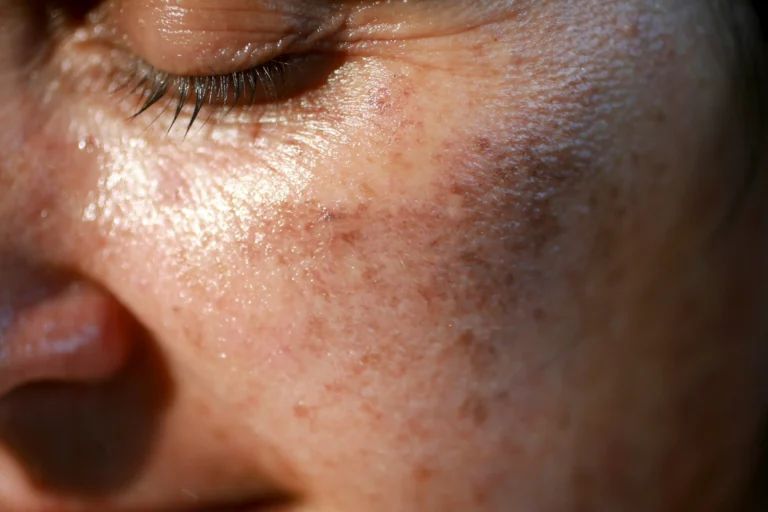
A summer filled with beach days, outdoor dining, weekend getaways, and sunny afternoons often leaves behind more than cherished memories. For many people, those months of UV exposure also result in visible skin changes that linger long after the season ends.
What once appeared to be a bright, even complexion may suddenly reveal scattered dark spots, uneven pigmentation, and areas of discoloration that seem impossible to conceal. These marks, commonly known as sunspots, are among the most frequent concerns dermatology patients face after prolonged sun exposure.
While they are generally harmless, they can make the skin appear older, less radiant, and uneven in tone. Fortunately, modern sunspot removal treatments offer highly effective solutions for restoring clarity and brightness to the complexion.
Today’s advanced technologies and physician-directed procedures can target excess pigmentation with remarkable precision, helping patients achieve smoother, more youthful-looking skin.
Keep reading to learn about the causes of sunspots, the latest treatment options available, and how professional care can dramatically improve hyperpigmentation after a summer in the sun.
Understanding Sunspots
Before exploring treatment options, it helps to understand exactly what sunspots are and why they develop. Sunspots, also known as solar lentigines or age spots, are areas of hyperpigmentation caused by cumulative ultraviolet (UV) exposure.
They commonly appear as flat brown, tan, or black spots that develop on areas frequently exposed to sunlight. Unlike freckles, which may fade when sun exposure decreases, sunspots tend to persist and often become more noticeable over time.
Although sunspots are not typically dangerous, they can affect overall skin appearance and contribute to an aged complexion. This is why many patients seek professional sunspot removal treatments to restore a more even skin tone.
Why Do Sunspots Develop?
The primary cause of sunspots is repeated exposure to ultraviolet radiation. When the skin encounters UV light, it produces melanin as a protective response. Over time, this process can become uneven, leading to concentrated areas of pigment accumulation.
Several factors increase the likelihood of developing sunspots:
Advancing age
Frequent sun exposure
Fairer skin tones
Genetic predisposition
Inconsistent sunscreen use
The combination of these factors often results in pigmentation concerns that become increasingly visible with each passing year.
Why Professional Treatment Matters
Many over-the-counter products claim to lighten dark spots, but not all pigmentation concerns respond to topical solutions alone. Sunspots often develop in deeper layers of the skin, making them difficult to address with creams and serums. While quality skincare can support overall skin health, patients seeking meaningful improvement frequently benefit from advanced dermatological procedures.
One of the most common questions specialists hear is, “How to remove sunspots effectively?” The answer depends on several factors, including:
Skin type
Pigment depth
Severity of discoloration
Overall skin condition
Desired results
Professional evaluation allows physicians to determine which treatment approach is most appropriate for each individual patient.
The Treatment Advantage
Modern aesthetic dermatology offers several highly effective options for treating sunspots. Each treatment works differently, allowing specialists to customize recommendations based on the patient’s unique concerns.
Let’s explore the leading sunspot reduction treatments available today.
Chemical Peels
For patients seeking brighter, smoother skin, chemical peels remain one of the most trusted options. Chemical peels utilize carefully selected exfoliating acids to remove damaged outer skin layers and encourage cellular renewal. As pigmented cells shed, healthier and more evenly toned skin emerges.
How Chemical Peels Improve Sunspots
Years of sun exposure can leave the skin looking rough, dull, and uneven. Chemical peels help address these concerns by accelerating the skin’s natural turnover process. Benefits often include:
Reduction of superficial pigmentation
Improved skin texture
Enhanced radiance
More even skin tone
Smoother complexion
Lighter peels may require multiple sessions to achieve optimal improvement, while deeper formulations can target more stubborn discoloration. For many patients, chemical peels represent an excellent starting point in a comprehensive sunspot removal treatment plan.
Beyond Pigment Correction
One reason chemical peels remain so popular is their ability to address multiple concerns simultaneously. In addition to reducing pigmentation, patients often notice improvements in:
Fine lines
Mild acne scarring
Dullness
Uneven texture
Enlarged pores
This combination of benefits contributes to a refreshed and rejuvenated appearance that extends beyond pigment correction alone.
Laser Therapy
Among the most advanced approaches to hyperpigmentation management, laser treatments continue to set the standard for precision and effectiveness. Laser technology targets excess melanin directly while minimizing disruption to surrounding tissue.
For many patients seeking the best treatment for sunspots, laser therapy often delivers exceptional results.
Clarity II
Not all pigmentation concerns require aggressive resurfacing. Clarity II utilizes dual-wavelength laser technology to target unwanted pigment while simultaneously improving overall skin tone. This treatment is particularly effective for patients experiencing:
Mild to moderate sun damage
Uneven pigmentation
Early signs of photoaging
Diffuse discoloration
The laser energy selectively targets melanin deposits, helping break apart pigment that the body can gradually eliminate. Many patients appreciate Clarity II because it provides noticeable improvement with relatively minimal downtime. For individuals beginning their journey toward
eCO2 Laser
Some sunspots develop alongside broader signs of skin aging and photodamage. In these situations, a more comprehensive approach may be beneficial. The eCO2 laser is a fractional carbon dioxide laser that removes damaged skin layers while stimulating collagen production beneath the surface.
This dual-action approach allows patients to address:
Sunspots
Fine lines
Wrinkles
Rough texture
Skin laxity
By encouraging both resurfacing and regeneration, eCO2 creates significant skin renewal. Patients often choose this treatment when they desire dramatic rejuvenation alongside pigmentation correction.
Because it addresses multiple concerns simultaneously, eCO2 is frequently considered one of the most transformative options available for advanced sun damage.
Alma Hybrid
Modern aesthetic medicine increasingly focuses on customization, and Alma Hybrid exemplifies this philosophy. This innovative treatment combines ablative CO2 resurfacing with non-ablative skin rejuvenation technologies.
The result is a highly adaptable procedure capable of targeting pigmentation concerns with remarkable precision. Benefits may include:
Enhanced pigment correction
Improved skin texture
Collagen stimulation
Reduced downtime compared to traditional resurfacing approaches
Alma Hybrid allows practitioners to tailor treatment intensity based on each patient’s needs and goals. This flexibility makes it an attractive choice for individuals seeking advanced sunspot reduction treatments without committing to a one-size-fits-all solution.
DermaV
For patients struggling with both pigmentation and redness, DermaV offers a versatile treatment option. Unlike technologies that focus exclusively on pigment, DermaV targets both vascular and pigmented lesions.
This makes it particularly useful for individuals experiencing:
Sunspots
Facial redness
Uneven skin tone
Visible blood vessels
General discoloration
By addressing multiple skin concerns simultaneously, DermaV contributes to a clearer and more balanced complexion. Patients often appreciate the treatment’s ability to improve overall skin appearance rather than focusing on a single issue alone.
Cryotherapy
While lasers and chemical peels often receive significant attention, cryotherapy remains a highly effective option for certain sunspots. This treatment utilizes liquid nitrogen to freeze targeted pigmented lesions.
How Cryotherapy Works
During treatment, liquid nitrogen is applied directly to the sunspot. The extreme cold causes the pigmented cells to break down. Over time, the treated area darkens, crusts, and eventually sheds, revealing healthier skin beneath.
Cryotherapy is particularly beneficial for:
Isolated sunspots
Well-defined lesions
Smaller areas of pigmentation
Because the procedure targets specific spots rather than broad areas of skin, it can provide focused correction with minimal treatment time.
Why Patients Choose Cryotherapy
Many patients appreciate cryotherapy because it offers a straightforward solution for individual sunspots. Benefits may include:
Quick treatment sessions
Minimal downtime
Effective pigment reduction
Targeted treatment precision
Although temporary darkening may occur during healing, the final result often reveals significantly lighter and clearer skin. For select patients, cryotherapy remains an excellent component of a personalized sunspot removal treatment strategy.
A Brighter Complexion Starts Here
Hyperpigmentation may be one of the most visible reminders of summer sun exposure, but it does not have to be permanent. Thanks to today’s advanced technologies, effective sunspot removal is more achievable than ever. Whether through chemical peels, laser therapy, cryotherapy, or a customized combination of treatments, patients can dramatically improve uneven pigmentation and restore a more radiant complexion.
Individual Results May Vary.
At Metropolis Dermatology in Los Angeles, Pasadena, LA’s Westside (Brentwood), Costa Mesa, and San Jose, CA, patients receive personalized care designed to address sunspots, discoloration, and other signs of sun damage with precision and expertise.
Through advanced treatment options and individualized recommendations, the practice helps patients achieve clearer, brighter skin and renewed confidence in their appearance.
Summer is a season many people look forward to, but it can be surprisingly challenging for your skin. Higher temperatures, increased humidity, sunscreen, sweat, and extra time outdoors can all contribute to clogged pores and unexpected breakouts. Even patients who typically have their acne under control may notice flare-ups during the warmer months, while those…
Skin can begin to change quietly. The jawline looks softer in photos. The cheeks may not feel as firm. The neck can start to show fine creasing or looseness that skin care alone cannot fully correct. For many patients, these changes do not call for surgery; they call for smarter collagen support. That is where…
Melasma can feel especially frustrating in summer. A few bright days outside, a beach weekend, or even regular driving exposure can make dark patches look deeper and more noticeable. For many patients, the challenge is not only fading discoloration but keeping it from returning again and again. That is why melasma treatment requires a careful,…
Start with a conversation
Tell us what brings you in.
Share what is happening with your skin and where you would like to go from here. We will help match you with the right provider and type of visit.
4.7 on Google from 1,073 reviews
Offices in Downtown Los Angeles, Brentwood, Pasadena, Costa Mesa, and San Jose