

Your concealer can look perfect while the groove beneath your eye still catches the light. That familiar shadow can leave you looking tired even when you feel well rested. Tear trough filler may help when a loss of volume or your natural anatomy creates the hollow.
The answer depends on what's causing the darkness. Pigment, puffiness, and shadows can look similar but need different approaches. Continue reading to learn where filler fits, what makes someone a good candidate, and how to set expectations that suit your face.
Start With the Cause
The tear trough is the groove that begins near the inner corner of the eye and runs toward the upper cheek. Its depth affects the transition between the lower eyelid and the cheek beneath it.
Common tear trough hollowing causes include inherited facial structure and changes in facial fat, skin, and bone with age. Some patients notice hollows early in adulthood. Others see a gradual change as the surrounding tissues lose support.
Dark circles describe an appearance, rather than a single condition. They may come from shadows, extra skin pigment, visible vessels beneath thin skin, or a combination.
A darker area after poor sleep doesn't automatically mean you need filler. Your provider's job is to identify the main contributor before recommending an under-eye hollows treatment. That first distinction helps turn a general complaint into a useful treatment goal.
Where Filler Fits
Filler works by adding volume beneath the skin. Its most useful role is to soften a hollow when the surrounding anatomy supports that approach. These treatment principles help explain both what it can improve and how a provider decides whether it belongs in your plan.
1. Fill a True Hollow
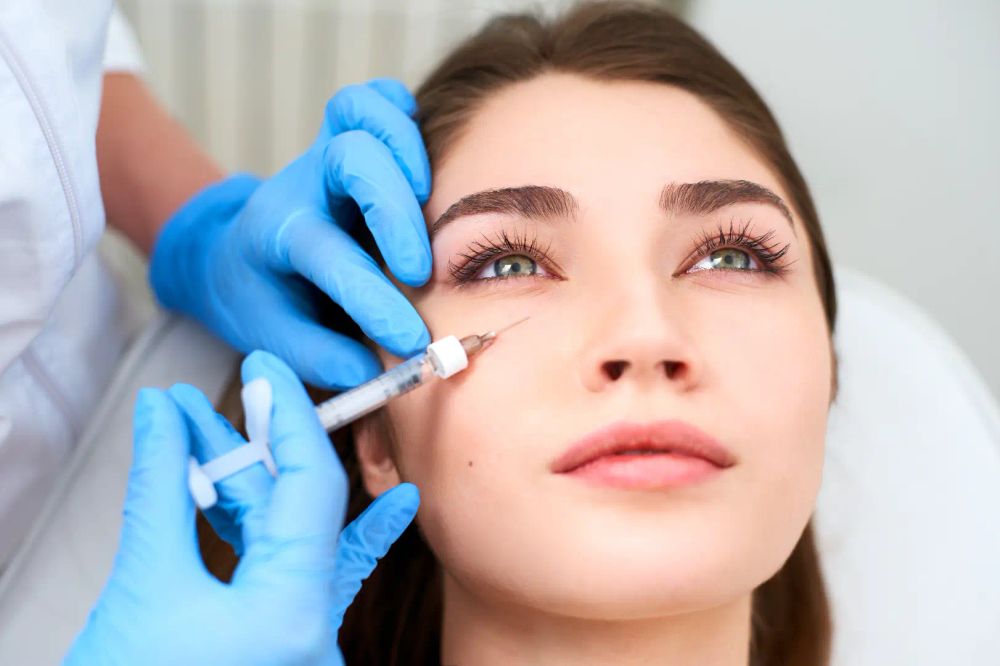
Tear trough fillers usually use hyaluronic acid, a substance that occurs naturally in the body. In a filler, it forms a gel that adds volume beneath the skin.
Using hyaluronic acid under eye hollows can soften the depth of the groove. The injector selects the product, amount, and placement to suit this delicate area.
That makes filler most relevant when there is a genuine volume deficit. The aim is a smoother contour that follows your facial anatomy, with enough improvement to look refreshed.
An eye cream and an injectable do different jobs, even when both mention hyaluronic acid. A topical product can moisturize the surface, while an injectable gel changes volume beneath it. Knowing that difference helps explain why a moisturizer may feel lovely without changing a structural hollow.
Certain hyaluronic acid fillers are FDA-approved for under-eye hollowing in adults 22 and older. These approvals apply to specific products and uses, so your injector should explain the choice being recommended. The product you had in your lips or cheeks may have different properties from one selected specifically for the tear trough.
2. Soften the Shadow
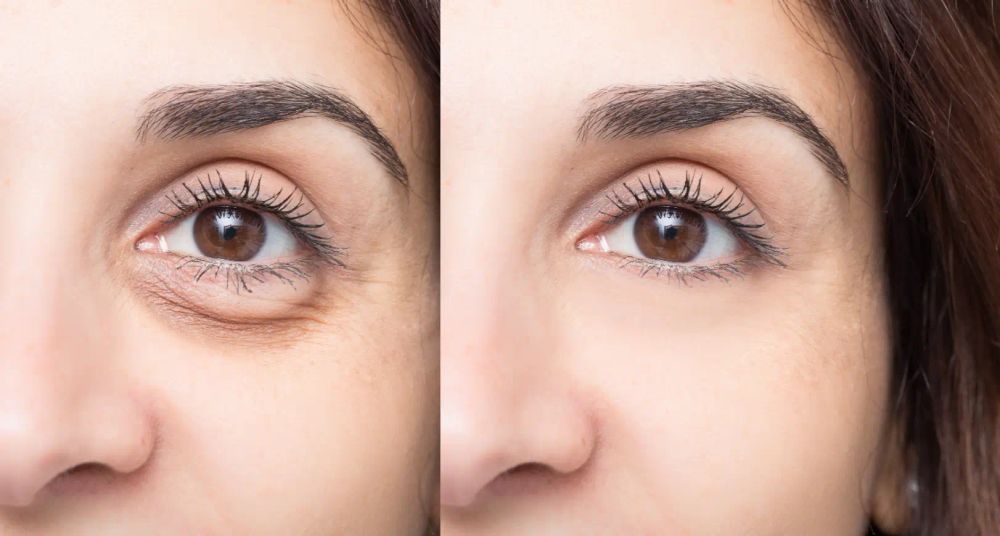
Filler may improve dark circles when the darkness comes from the shape of the under-eye area. A groove can cast a shadow, particularly under overhead lighting.
Softening the groove can change that shadow and make the area look less sunken. It doesn't remove melanin, the pigment that gives skin its color, or erase visible blood vessels.
For patients considering dark circles filler, this distinction is essential. You might have both a hollow and brown pigmentation. Filler could improve the contour while the color still needs separate attention.
During an assessment, the provider can look at the area from different angles and in suitable lighting. Your own observations are useful too. Mention whether the darkness changes with lighting or stays similar throughout the day.
3. Balance the Cheek Transition
The under-eye area sits directly above the cheek, so both areas influence the final appearance. A hollow can look more pronounced when the nearby cheek has lost volume.
Your injector may assess cheek support before deciding whether to place filler directly beneath the eye. In selected patients, treating the cheek can be part of a plan to improve the overall transition.
This doesn't make cheek filler a required extra. Some patients need a focused tear trough treatment, while others benefit from addressing nearby volume changes. The plan should follow the anatomy being examined.
The useful question is what each proposed injection is expected to improve. A provider should be able to explain why a particular area belongs in your treatment plan. That keeps the conversation centered on the change you want to see.
4. Keep the Change Subtle
The under-eye area often benefits from a conservative approach. The goal is to soften the transition while preserving the natural shape of your eyes.
More volume doesn't necessarily create a better result. Thin tissues can make excess product noticeable, and the right amount differs from one face to another.
A staged plan allows the provider to reassess after early swelling settles. A follow-up visit is a chance to check the contour and decide whether any adjustment would be helpful.
That review doesn't automatically mean more filler. Your provider may recommend leaving the result alone, waiting longer, or addressing a different contributor to the appearance. The point is to make each decision based on how the area actually looks and feels.
Bring photos that show the type of improvement you like, while keeping your own features as the reference. A believable result usually means recognizing yourself with a softer transition beneath the eyes.
5. Look Closely at Puffiness
Puffiness deserves its own assessment before adding volume. A bag that projects forward and a hollow that dips inward can sit next to each other.
A small adjacent hollow may sometimes be softened with filler. However, filler doesn't remove a protruding fat pad or excess skin. When those features dominate, a different treatment may offer a more useful change.
Fluid-related swelling is another consideration. Hyaluronic acid attracts water, and patients who already retain fluid in this area may develop more noticeable puffiness after treatment.
Tell your provider if swelling changes during the day, follows allergy symptoms, or began after a previous injectable treatment. These details help clarify whether you're seeing a volume deficit, fluid buildup, or both.
Choosing another approach is still progress toward a better result. An evaluation may lead to treating an underlying irritation, discussing skin-focused care, or seeking an eyelid specialist's opinion when appropriate.
6. Let Skin Quality Guide You
Skin thickness and elasticity influence how well a filler result blends with the surrounding area. The skin beneath the eyes is delicate, making product selection and placement especially important.
If loose skin or fine surface lines are the main concern, adding volume may leave that concern largely unchanged. Likewise, pigment-related darkness may call for skincare or another carefully selected treatment.
Under-eye filler candidacy therefore involves more than noticing a hollow. The provider weighs the available tissue support, skin condition, existing puffiness, and the improvement you're hoping to see.
Age alone doesn't answer the question. Two adults of the same age can have very different anatomy and treatment needs. A plan that reflects those differences is more useful than assuming the treatment that worked for a friend will work the same way for you.
The two sides of your face may also need different amounts of correction. A provider considers your proportions and existing asymmetry when planning treatment. The aim is a balanced appearance that works with the features you already have.
[caption id="attachment_261763" align="alignnone" width="1622"]
Individual results may vary[/caption]
A Consultation That Counts
Bring a clear description of what bothers you most. “I see a groove,” “my skin looks brown,” and “I wake up puffy” give your provider different starting points.
Arrive with clean skin if the practice requests it, and bring photos taken before any prior treatment. A few unfiltered images from different periods can help you describe what changed. You don't need to diagnose the cause yourself; your role is to share what you've noticed and what you hope to improve.
Share previous filler treatments, including the product and date if you know them. Mention eyelid surgery, allergies, current medications, and any recent skin treatments. Older filler can remain present after its visible effect seems to fade, so treatment history matters.
Ask what product is being recommended and why it suits the under-eye area. The discussion should cover expected improvement, recovery, cost, follow-up, and what happens if the result needs adjustment.
HA filler can often be reduced with an enzyme called hyaluronidase. That option can be useful, although correction may require more than one visit and isn't an instant reset.
Choose a clinician experienced with under-eye anatomy. Rare complications include blood-vessel blockage that can harm the skin or vision, which makes appropriate training and a clear response plan important.
A Fresh Look Starts Here
Your under-eye concerns deserve a closer look at Metropolis Dermatology in Los Angeles, Pasadena, LA’s Westside (Brentwood), Costa Mesa, and San Jose, CA. Our team can assess your tear trough anatomy, review your skin and treatment history, and explain whether tear trough filler matches the improvement you're seeking.
Book a consultation to talk through the options and ask your questions. We'll help you understand which features may respond to filler and build a personalized plan around your natural features and goals.
Tell us what brings you in.
Share what is happening with your skin and where you would like to go from here. We will help match you with the right provider and type of visit.
- Offices in Downtown Los Angeles, Brentwood, Pasadena, Costa Mesa, and San Jose