
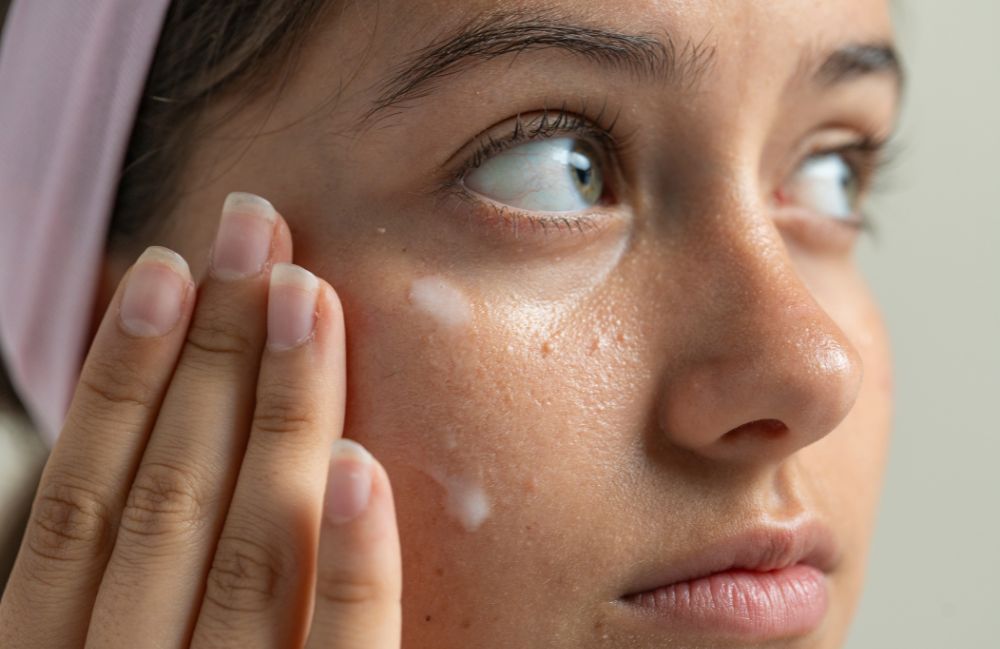
Milia are tiny white or yellowish bumps that often appear on the face—most commonly around the eyes, cheeks, or forehead. Though completely harmless, these small cysts can be a source of cosmetic frustration, especially when they linger or form in clusters.
At Metropolis Dermatology in Pasadena, our skilled dermatologists provide safe and effective milia removal using gentle, non-invasive techniques. Whether you’re dealing with a few bumps or recurring clusters, we’re here to help you restore clear, smooth skin.
What Are Milia?
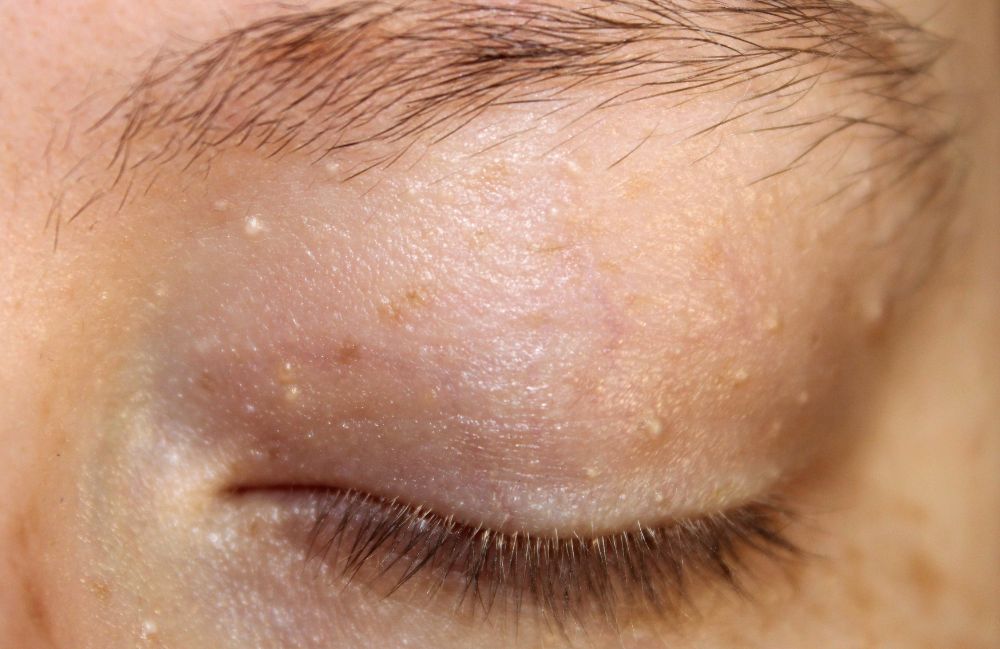
Milia (singular: milium) are small keratin-filled cysts that form just beneath the surface of the skin. Unlike acne or whiteheads, they’re not caused by clogged pores or bacteria. Instead, milia develop when dead skin cells become trapped instead of naturally exfoliating—creating hard, pearl-like bumps under the skin.
There are a few different types of milia:
- Primary milia – Often appear spontaneously on the face in both children and adults
- Secondary milia – Develop following skin trauma, burns, rashes, or sun damage
Milia can occur at any age, and while common in newborns, they’re frequently seen in adults with slower skin turnover or prolonged use of heavy skincare products.
What Causes Milia?
Several factors can contribute to the formation of milia:
Sun damage
Chronic UV exposure can damage the skin barrier, making it harder for dead skin cells to shed naturally.
Thick creams or ointments
Using rich moisturizers or products with petroleum or steroids may trap dead skin beneath the surface.
Aging
As skin matures, its natural exfoliation process slows down, which can lead to buildup and milia formation.
Skin trauma
Burns, laser treatments, or chronic rashes may cause skin cell regeneration to malfunction, resulting in milia.
Genetics
Some individuals may simply be more prone to developing milia due to inherited skin characteristics.
What Do Milia Look Like?
Milia typically appear as:
- Small, firm, white or yellowish bumps on the face—especially around the eyes and cheeks
- Non-itchy, painless lesions that don’t cause inflammation or redness
- Clusters of bumps, especially with secondary milia
Though not medically dangerous, many patients choose to remove them for aesthetic reasons or if the bumps persist long-term.
Milia Removal Options
In many cases, milia resolve on their own. However, if they’re persistent or widespread, in-office treatment can help eliminate them more quickly and safely.
At Metropolis Dermatology, we offer:
- Cryotherapy – Freezes the milia using liquid nitrogen to encourage shedding
- Topical retinoids – Promote gentle exfoliation and prevent recurrence
- Professional extraction – A safe, sterile procedure in which the cyst is gently opened and removed without scarring
We never recommend attempting removal at home, as this can damage the skin or lead to infection.
Frequently Asked Questions About Milia
Are milia dangerous to my health?
No—milia are entirely benign. They’re made of keratin and pose no risk of becoming cancerous or causing health issues.
Can I pop or remove milia myself?
It’s not advised. Milia do not respond like pimples and attempting to remove them can damage your skin, cause scarring, or lead to infection.
How long does it take for milia to go away?
Some milia may resolve on their own within a few weeks to a few months. Others, especially in adults, may require professional treatment.
Can I prevent milia from forming?
Yes. Gentle exfoliation, sun protection, and avoiding heavy occlusive skincare products can help reduce your risk.
Is there downtime after milia removal?
Not typically. Most treatments have minimal to no recovery time, and patients can return to normal activities right away.
Hear from
Real Patients






Smooth, Clear Skin Starts Here—Book Your Milia Removal Today
If you’re ready to get rid of stubborn milia and restore a smoother complexion, our team can help. At Metropolis Dermatology in Pasadena, CA, we provide safe, effective treatment options to eliminate milia with precision and care. Schedule your consultation today and take the first step toward radiant, bump-free skin.