Microneedling in Los Angeles at Metropolis Dermatology.
Not every concern requires a laser. We also offer microneedling, PRP microneedling, PRP, PRF, PRF gel, chemical peels, TCA CROSS, and subcision.
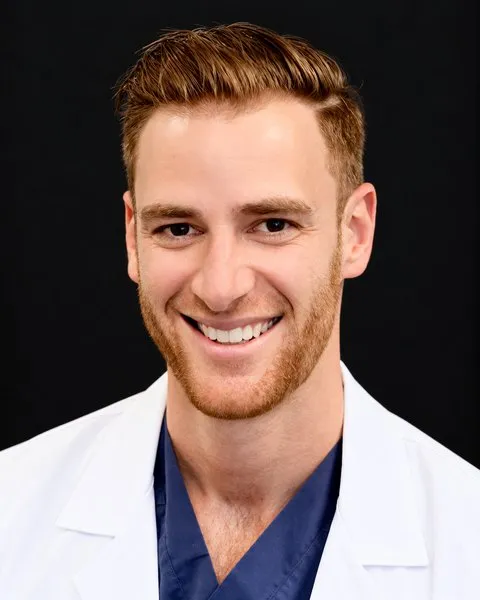
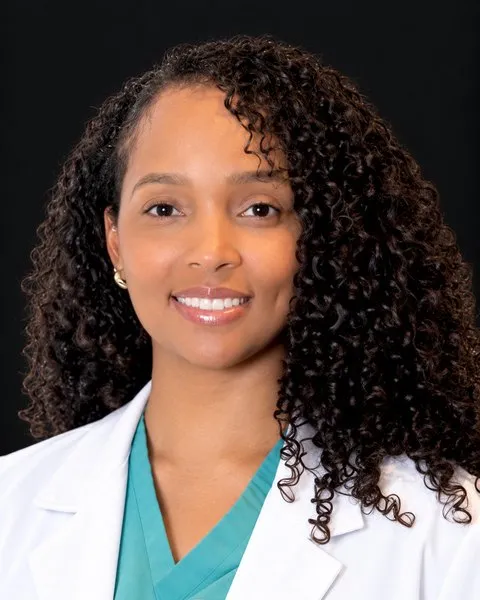
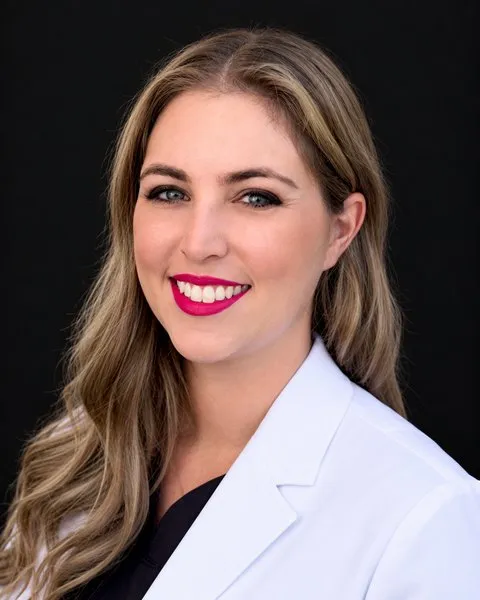
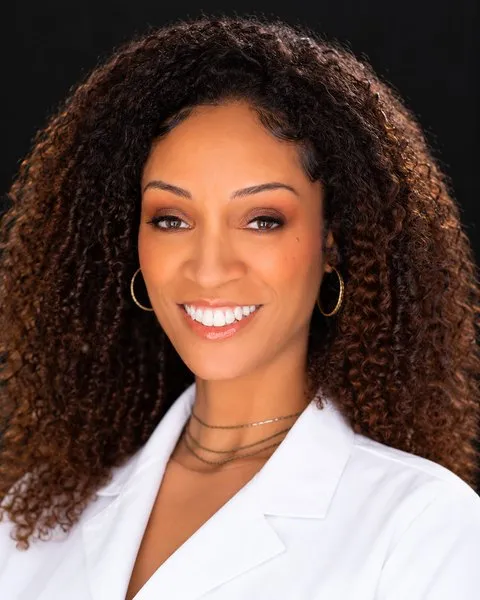
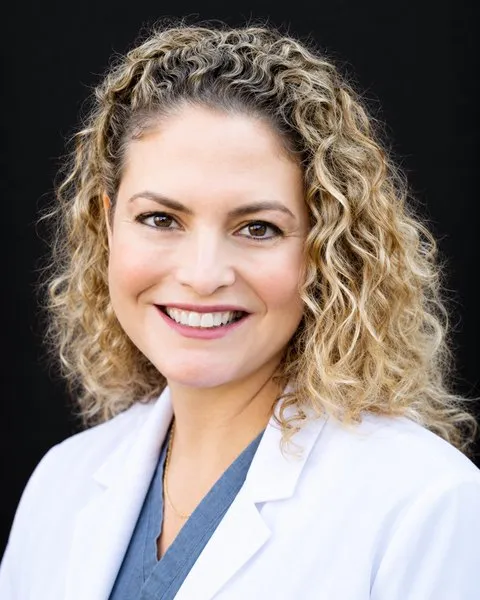
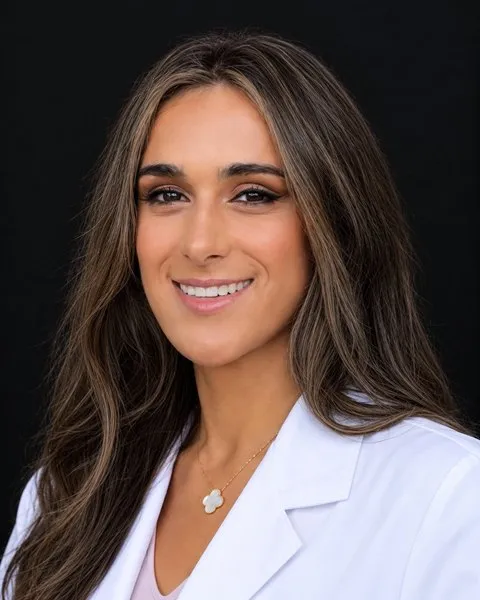
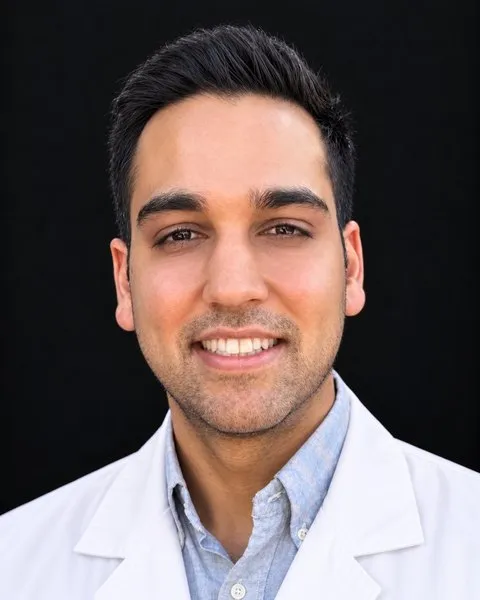
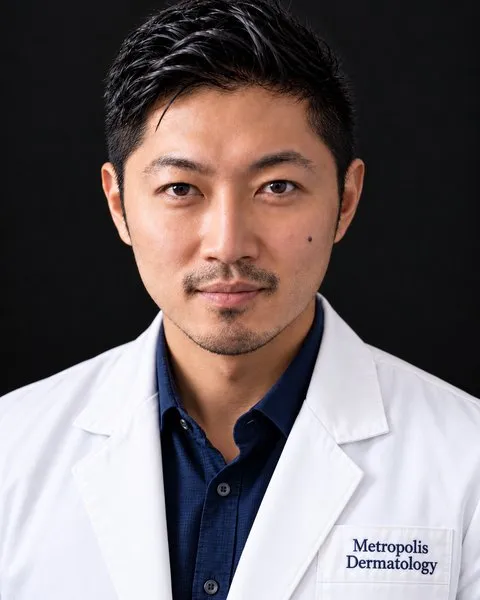
At Metropolis Dermatology, microneedling is offered at our Brentwood, Downtown LA, Pasadena, Costa Mesa, and San Jose offices, for patients across Los Angeles, Orange County, and San Jose. Your plan is set at a consultation with a board-certified dermatologist or a clinician on our dermatology team.
Depth, pattern, and pressure matter more than the basic concept suggests, which is why it is provider administered here and not handed to a device you use at home.
Needles onlyNo laser and no heat; fine needles at a selected depth
A seriesFor acne scars, often 3 to 5 sessions, 2 to 4 weeks apart
GradualFull results usually take several months
A few daysRedness or darkening usually fades within a few days to a week
What the FDA has authorized.
Powered microneedling pens are Class II medical devices. The FDA has authorized microneedling devices to improve the appearance of facial acne scars, facial wrinkles, and abdominal scars in patients aged 22 or older. Each device is authorized for the uses stated in its own marketing authorization.
Uneven texture and enlarged pores are not among the uses the FDA lists, and treatment for anyone under 22 is outside those authorizations. Your dermatologist will explain what the published evidence does and does not show for your concern.
Microneedling devices are not approved for delivering cosmetics, topical medications, vitamin solutions, drugs, or blood products such as platelet-rich plasma (PRP) into the skin. The FDA states that the risks of combining microneedling with other products are not known.
The FDA also notes that microneedling may be considered a medical procedure, not a cosmetic one, when it is intended to change the structure or function of tissue.
FDA records checked November 8, 2026.
How microneedling works.
Fine punctures
A powered pen with a single-use needle cartridge punctures the skin to the point of pinpoint bleeding.
A repair response
Those controlled micro-injuries start the skin's healing response, which promotes collagen and elastin production.
Builds gradually
The skin's repair response gradually stimulates collagen remodeling, so change develops over months.
Set for each area
Treatment should be adjusted for the concern, anatomical area, and skin type rather than performed at one standard setting.
Depth and technique matter more than the basic concept suggests.
RF microneedling adds radiofrequency to standard microneedling, delivering heat below the surface for a stronger collagen response. It is a middle ground option for texture, scarring, and mild laxity; see RF microneedling.
Is microneedling right for you?
Often a good fit
- Acne scars on the face
- Fine lines and facial wrinkles
- Uneven texture and enlarged pores (not an FDA-listed use)
- Adults who want gradual change without laser energy
Not a fit, or tell us first
- A bleeding or clotting disorder, or taking a blood thinner, including low dose aspirin
- A weakened immune system, uncontrolled diabetes, or a current cancer treatment such as chemotherapy, radiation, or steroids
- An active skin infection, rash, or cold sore outbreak in the area, or painful, deep pimples: we wait until it clears
- Eczema, psoriasis, vitiligo, or an autoimmune disease, now or in the past
- Isotretinoin (Accutane) now or in the past 6 months
- Keloids or a history of raised scars, or slow or poor healing
- Warts, moles, birthmarks, or precancerous spots (actinic keratoses) in the area
- A tan, or plans to be in the sun in the two weeks after treatment
- Pregnancy or breastfeeding
- Hepatitis or HIV, or a known cancer
- An allergy to stainless steel or to numbing creams or local anesthetics
On darker skin, microneedling carries a risk of darkening or lightening of the skin afterward, and some FDA-authorized devices were not studied in darker skin types. A 2016 review of microneedling in skin types IV to VI found it may offer a more favorable safety profile than traditional resurfacing in this group. Your provider sets depth and spacing with your skin type in mind.
The technology may be different, but the same principles apply: diagnosis, patient selection, treatment depth, technique, and an understanding of how different skin tones respond.
Your microneedling plan.
ConsultationWe look at the concern, the area, your skin type, your medicines, and how much recovery you can accommodate
A seriesFor acne scars, often 3 to 5 sessions, performed every 2 to 4 weeks
Right afterRedness on lighter skin, or darker shades on darker skin, usually fades within a few days to a week; most people return to work or school the same day
AftercareWait 24 hours before makeup, protect your skin from the sun, and stay out of the sun for the two weeks after
ResultsImprovement may show within a few weeks; full results usually take several months
The expected benefit and number of treatments vary by concern and individual response.
Microneedling risks and side effects.
Most reactions are short-lived. This list is not complete; ask for the patient labeling that comes with FDA-authorized devices.
| Effect | What to know |
|---|
| Redness, dryness, tightness, peeling, itching | Common. Redness, or darker shades on darker skin, usually fades within a few days to a week. |
| Discomfort, burning, bruising, bleeding, crusting | Also common, and expected at the treated spots. |
| Darkening or lightening of the skin | Less common, and a particular concern on darker skin. |
| Stinging when products are applied, or lines on the face | Less common. Ask us before putting new products on treated skin. |
| A cold sore flare, swollen lymph nodes, or signs of infection | Call us. Cold sores can reactivate after treatment; tell us beforehand if you get them. |
Shaded rows need prompt care.
Derma rollers and at-home microneedling.
At-home and spa products are meant to be gentler, and they lead to less noticeable results than treatment from a dermatologist. When an at-home product does pierce the skin, it can lead to an infection or scarring, and it can accidentally spread warts, herpes, and other viruses across the skin.
Wherever you are treated, the FDA suggests asking about your provider's training and experience, how the device is cleaned between patients, and whether a new needle cartridge is used for each patient and each session.
At Metropolis, microneedling is provider administered and never a device you use at home.
Microneedling compared with other options.
Once breakouts are controlled, scarring gets its own plan: TCA CROSS, subcision, laser resurfacing, injections, or microneedling, chosen by scar type and a discussion to see what the patient prefers. See acne and scarring.
For depressed acne scars, a 2026 review of 11 studies with 713 patients found microneedling and chemical peels broadly comparable. A 2026 review of 17 studies found fractional CO2 laser and microneedling comparable for these scars, with a significantly higher risk of dark marks after the CO2 laser.
Microneedling and related treatments we offer
| Treatment | How it works | Good to know |
|---|
| Microneedling | Fine needles create controlled microinjuries at a carefully selected depth | Acne scars, uneven texture, enlarged pores, and fine lines |
|---|
| RF microneedling | Adds radiofrequency to standard microneedling, delivering heat below the surface | A middle ground option for texture, scarring, and mild laxity |
|---|
| PRP microneedling | Controlled microneedling with platelet-rich plasma prepared from your own blood | Not an FDA-approved use of microneedling devices |
|---|
| NanoPen treatment | A fine-tipped pen used with topical products; how deep it reaches depends on the device and tip | Performed by a medical provider; the device in use is being confirmed |
|---|
PRP may be applied during microneedling, and the expected benefit and number of treatments vary by concern and individual response.
Questions patients ask about microneedling.
How much does microneedling cost?
Cost depends on the area treated and the number of sessions your plan needs, so we quote it at your consultation, before treatment.
Is microneedling covered by insurance?
Insurance is accepted for eligible medical care. Cosmetic treatments such as microneedling are usually self-pay; our team confirms costs before you start.
Is microneedling FDA-approved?
Microneedling pens are FDA-authorized medical devices for improving the appearance of facial acne scars, facial wrinkles, and abdominal scars in adults 22 and older. Using microneedling to deliver PRP or other products into the skin is not an FDA-approved use.
How many sessions will I need?
For acne scars, often 3 to 5 sessions, every 2 to 4 weeks. The expected benefit and number of treatments vary by concern and individual response.
Does microneedling hurt?
Discomfort and a burning feeling are among the common effects the FDA lists. Ask at your consultation how we keep you comfortable during treatment.
What is the downtime?
Redness, or darker shades on darker skin, usually fades within a few days to a week. Most people return to work or school the same day; wait 24 hours before makeup.
How is microneedling different from RF microneedling?
RF microneedling adds radiofrequency to standard microneedling, delivering heat below the surface for a stronger collagen response. See RF microneedling.
Can microneedling be combined with PRP?
PRP microneedling combines controlled microneedling with platelet-rich plasma prepared from the patient's own blood. It is not an FDA-approved use of microneedling devices. See PRP microneedling.
Can microneedling remove scars completely?
Microneedling is used to improve how acne scars look, and the skin's repair response can soften them over time, but it does not remove scars completely. Deeper scars often need a different or combined approach, and your provider matches the method to the scar type.
Is microneedling right for darker skin?
There is a risk of darkening or lightening of the skin afterward, and some devices were not studied in darker skin types; a 2016 review of types IV to VI found a more favorable safety profile than traditional resurfacing. Treatment should be adjusted for the concern, anatomical area, and skin type rather than performed at one standard setting.
Can I use a derma roller at home?
At-home products give less noticeable results, and one that pierces the skin can cause an infection or scarring. At Metropolis, microneedling is provider administered and never a device you use at home.
Who performs microneedling at Metropolis?
Microneedling pierces living skin, so California keeps it outside an esthetician's license, and at Metropolis it is always done by a licensed medical provider. Your plan is set with a board-certified dermatologist or a clinician on our dermatology team. Treatment availability varies by provider and location, so we confirm yours when you book.
How do I start?
You do not need to know which treatment to choose before you arrive. Book a consultation at any of our offices.
Sources: FDA, Microneedling Devices, FDA product classification QAI, American Academy of Dermatology, and peer-reviewed reviews in the Journal of the American Academy of Dermatology (2016), Lasers in Medical Science (2026), and Cureus (2026). FDA records checked November 8, 2026.
View before and after photosRead patient reviews