What dermatopathology is.
Every biopsy must be interpreted by a physician trained to recognize disease under the microscope.
What does a dermatopathologist do?
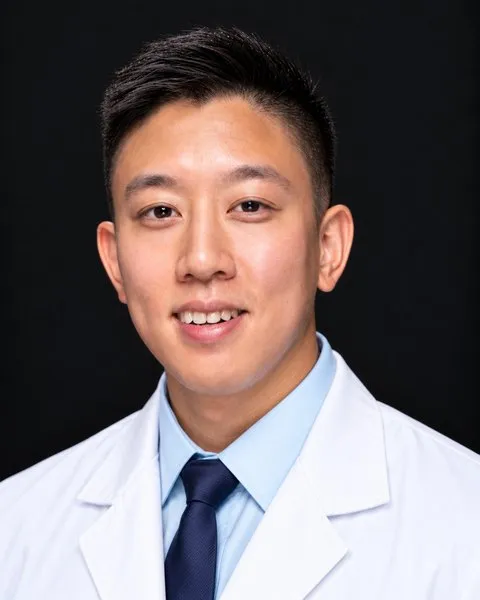
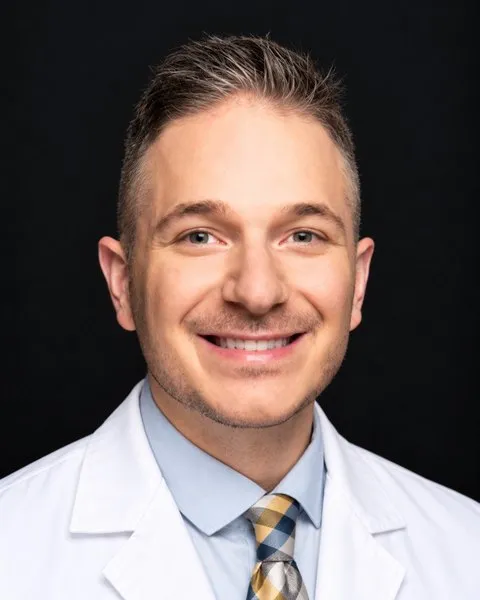
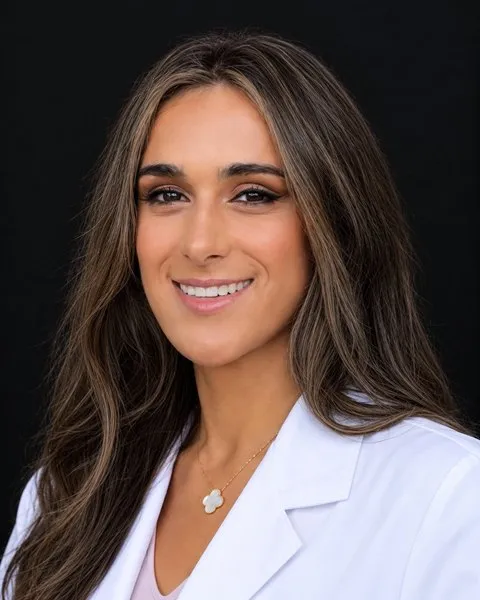
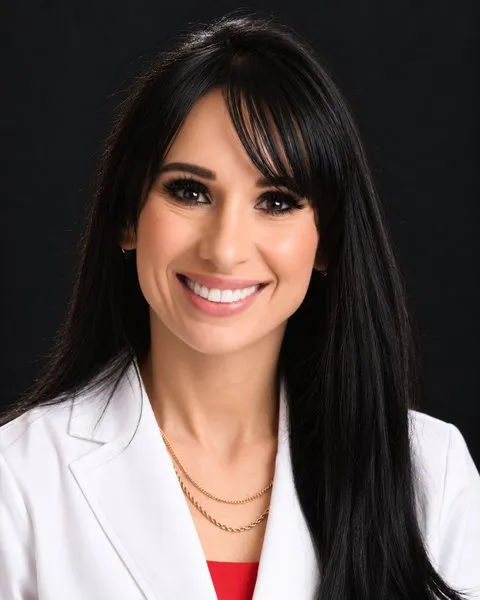
A dermatopathologist is a physician who, after training in dermatology or pathology, completed additional accredited training in interpreting skin biopsies. The dermatopathologist combines the clinical information with what the microscope shows and gives the diagnosis to the clinician treating you. The American Society of Dermatopathology describes dermatopathology as a consultative service to the referring dermatologist, not simply a laboratory test.
Board certification in dermatopathology is a subspecialty certificate shared by two boards: the American Board of Pathology sponsors it and the American Board of Dermatology administers it. Candidates first hold board certification in dermatology or pathology, then complete one year of accredited dermatopathology training.
Dermatology and dermatopathology at Metropolis
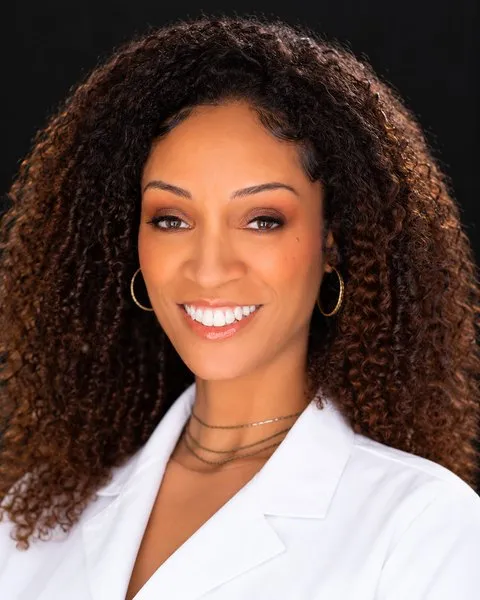
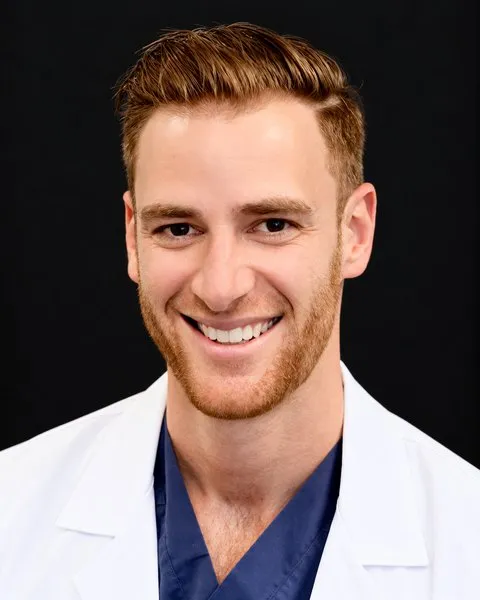
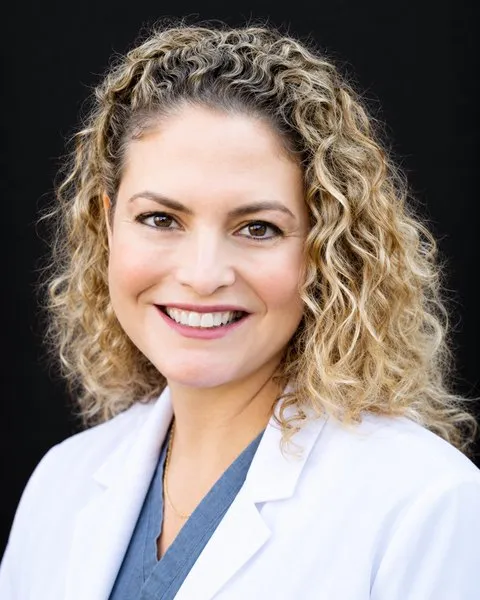
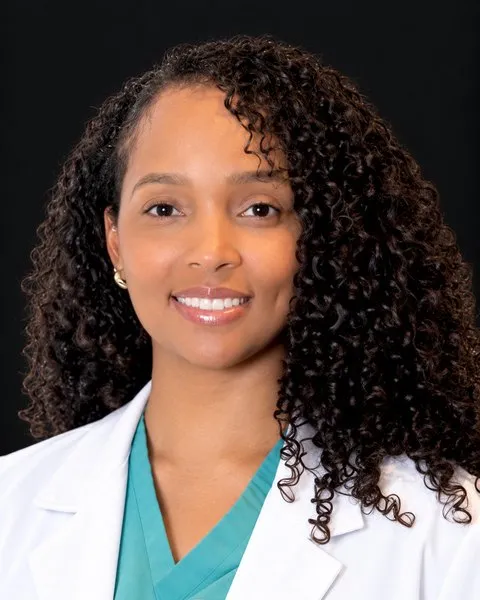
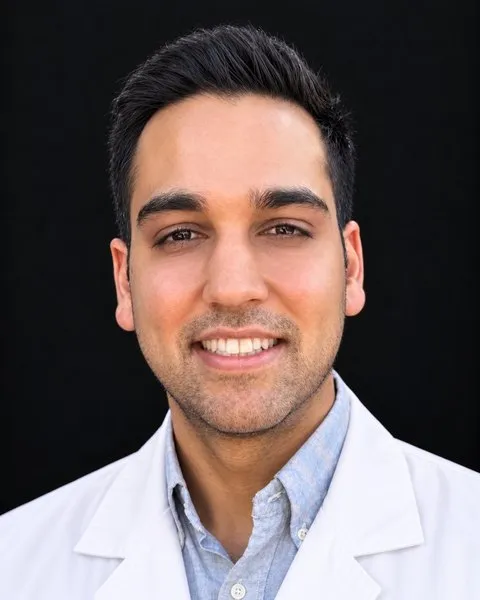
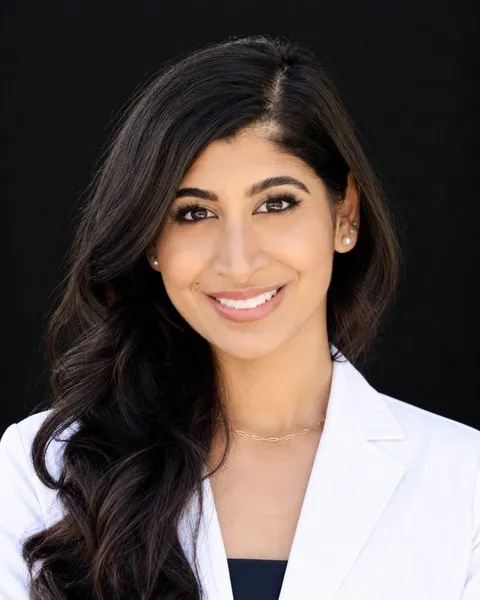
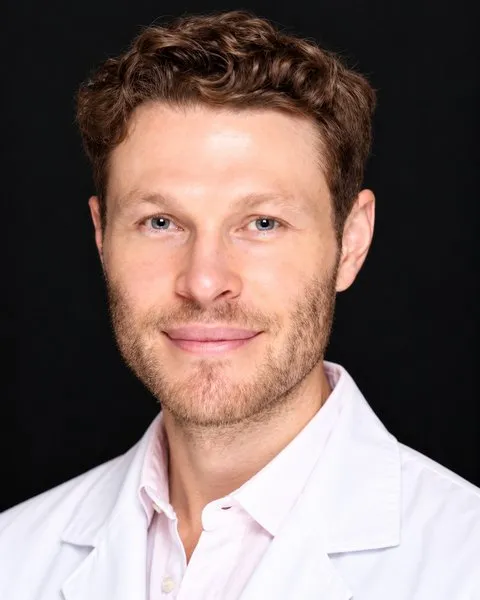
If a biopsy is needed, many samples obtained at Metropolis are interpreted within the practice by physicians trained in both dermatology and dermatopathology.
Every biopsyInterpreted by a physician trained to recognize disease under the microscope
Within the practiceMany samples obtained at Metropolis are read here
Context includedClinical history, photographs when available, and the question behind the sample
Lab billingThe laboratory bills you separately
What happens to your biopsy after the visit.
A skin biopsy removes a small amount of skin so it can be examined under a microscope. Here is the path that sample takes.
- At your visit
A sample is taken. A shave biopsy removes a thin sample from the surface of the skin; a punch biopsy removes a small cylindrical sample through deeper layers.
- Preserved
The tissue is chemically fixed, usually with formalin, and processed so it is firm enough to cut.
- Made into slides
It is embedded in a paraffin wax block, sliced into very thin sections, placed on glass slides, and stained with dyes that show the cells and structures in the tissue.
- Read under the microscope
A physician trained to recognize disease under the microscope interprets the slides, together with the clinical history and the question behind the sample.
- The report
A pathology report goes to the clinician in charge of your care, who explains the findings and the next step.
Why clinical context matters.
Many biopsies performed at Metropolis are interpreted within the practice. This integration allows the dermatopathologist to review the clinical history, photographs when available, and the specific question behind the sample, not only the tissue on the slide.
The clinical history
What your provider found at the visit and what has changed over time.
Photographs, when available
Images of the spot as it looked on the skin, before the sample was taken.
The question behind the sample
Why the biopsy was taken: a changing mole, a rash with an unexpected cause, or hair loss whose diagnosis remains unclear.
Because dermatopathology is integrated into the practice, a biopsy performed at Metropolis may be interpreted by a physician who understands both the microscopic findings and the clinical question behind the sample.
The American Society of Dermatopathology notes that an accurate microscopic interpretation of the biopsy is important in the selection of appropriate therapies.
When tissue is sent for dermatopathology.
Tissue is sent when
- A shave or punch biopsy is taken to answer a diagnostic question
- A mole is removed, whether it is clinically concerning or cosmetically bothersome
- A skin cancer is excised, so the margins can be checked
- A scalp biopsy is taken when the diagnosis of hair loss remains unclear
A sample may not be needed when
- The diagnosis is sufficiently clear for treatment such as cryotherapy
- A lesion has been determined to be appropriate for electrodesiccation
Cryotherapy uses liquid nitrogen to freeze selected lesions such as actinic keratoses, warts, and certain benign growths. It is appropriate when the diagnosis is sufficiently clear; it is not a substitute for biopsy when a lesion requires microscopic evaluation. Learn about cryotherapy and electrodessication.
At Metropolis, tissue removed from a mole is routinely sent to pathology. Moles can be clinically subtle, and confirming the diagnosis is more important than treating one as a purely cosmetic spot.
Not sure whether a spot needs a sample? Start with a mole check. If a biopsy is needed, many samples obtained at Metropolis are interpreted within the practice by physicians trained in both dermatology and dermatopathology.
Results and your report.
How long do biopsy results take?
In general, biopsy results most often come back in a few days to a week or more, according to MedlinePlus, the National Library of Medicine's patient site. Your provider will tell you what to expect for your sample.
What does a pathology report say?
A pathology report typically includes a description of the tissue as seen by eye, what was seen under the microscope, and a final diagnosis. It may also include comments from the physician who read it.
How will I hear my result?
The clinician in charge of your care explains the findings. When the biopsy confirms the diagnosis, your provider starts a treatment plan; a benign result may need no further treatment.
Other ways tissue is checked under the microscope.
What the microscope answers after each procedure
| Procedure | What is examined | When |
|---|
| Biopsy | A shave or punch sample, to answer the diagnostic question | After the visit, once the slides are read |
|---|
| Mole removal | The removed mole; the tissue is routinely sent for pathology | After the visit |
|---|
| Skin cancer excision | The specimen, to determine whether the margins are clear | After the visit |
|---|
| Mohs surgery | The margins of each thin layer removed | While the patient remains in the office |
|---|
Our skin-cancer care is coordinated across the practice. A biopsy may be interpreted by one of our dermatopathologists, and when Mohs surgery is appropriate, treatment is performed by our fellowship-trained Mohs surgeon. See skin cancer and Mohs surgery.
Questions patients ask.
What does a dermatopathologist do?
A dermatopathologist is a physician trained to interpret skin biopsies. The dermatopathologist combines the clinical information with what the microscope shows and gives the diagnosis to the clinician treating you.
Is dermatopathology the same as pathology?
Dermatopathology is the part of pathology focused on the skin. A dermatopathologist trains first in dermatology or pathology, then completes a year of accredited training in dermatopathology.
Who reads my biopsy?
Many biopsies performed at Metropolis are interpreted within the practice by physicians trained in both dermatology and dermatopathology, who can review the clinical history and the specific question behind the sample.
How long do biopsy results take?
In general, results most often come back in a few days to a week or more. Your provider will tell you what to expect for your sample.
Does a biopsy mean my spot is cancer?
No. A biopsy is how a diagnosis is made: a small amount of skin is removed so it can be examined under a microscope. A benign result may need no further treatment.
Is a mole removed for cosmetic reasons also checked?
Yes. Whether a mole is removed because it is clinically concerning or because it is cosmetically bothersome, the tissue is routinely sent for pathology at Metropolis.
Does reading the sample carry any risk?
The reading happens on slides after your visit and needs nothing more from you. Any risks come from the biopsy itself; see skin shave biopsy and skin punch biopsy.
Will I get a separate bill for the lab?
If we sent lab work or a biopsy for pathology, the laboratory bills you separately.
How do I start?
Book a medical visit at any of our offices. A medical consultation begins with the concern that brought you in, followed by focused questions and an examination appropriate to that concern.