
A sore jaw can turn a simple breakfast into something you have to think about. You may wake up feeling tense or catch yourself pressing your teeth together during the day. Botox may help some patients with jaw clenching and TMJ-related muscle pain, although results are not predictable.
The key is understanding what is driving the discomfort. Keep reading to learn how Botox affects chewing muscles, where its limits lie, and what a thoughtful treatment discussion should include.
What Botox May Change
Botox for TMJ usually refers to injections into chewing muscles. TMJ is the name of the jaw joint, while temporomandibular disorders, or TMDs, affect the joints, chewing muscles, or both.
This treatment is off-label in the United States. That means Botox is not FDA-approved specifically for TMDs or teeth grinding. Its potential benefits should be weighed against the evidence and risks before proceeding.
1. Reduce Strong Contractions
Botox temporarily interferes with nerve signals that tell a muscle to contract. When injected into selected chewing muscles, it can reduce the strength of their activity.
The masseters, located along the sides of the lower jaw, help close the mouth. Masseter Botox targets these muscles when their activity is part of the concern. A clinician may also assess the temporalis muscles near the temples.
The aim is to reduce excessive force while preserving useful function. Too much weakness can make chewing difficult, so the treatment plan needs to account for more than how firmly you clench.
This muscle effect does not repair a damaged joint or reposition a displaced joint disc. Those problems require a different assessment, even when they occur alongside tight chewing muscles.
2. Soften Grinding Intensity
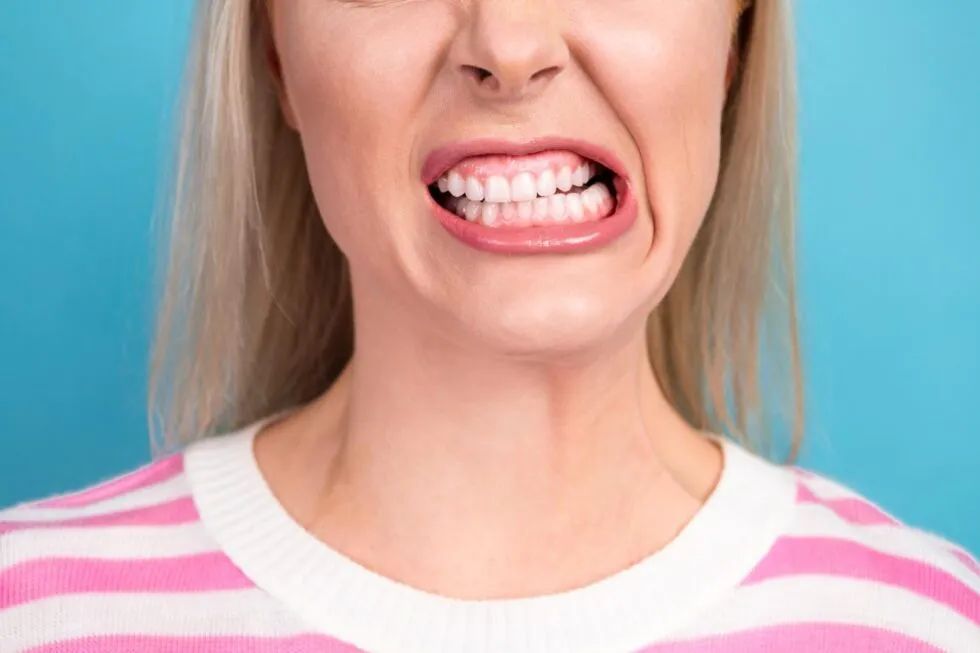
Bruxism involves grinding, clenching, or gnashing the teeth while awake or asleep. Botox for teeth grinding may reduce how forcefully the treated muscles contract, but weaker contractions do not necessarily mean fewer episodes.
In one placebo-controlled sleep study, botulinum toxin reduced contraction intensity without significantly changing the frequency of sleep-bruxism episodes. Other research has found a short-lived reduction in recorded episodes, so the evidence on frequency remains inconsistent.
That distinction changes how progress should be judged. Less force is one measurable effect; waking comfortably and protecting your teeth are separate treatment goals.
Injections also do not create a barrier between the teeth. A dentist may still recommend an appropriately fitted appliance to protect against wear. Existing chips, cracks, or sensitivity need dental attention rather than an assumption that muscle treatment will resolve them.
3. Ease Muscle-Related Soreness
Reducing muscle activity may help some patients experience less aching or fatigue around the jaw. This is most relevant when the discomfort has been assessed as muscular rather than arising primarily from the joint or teeth.
For a patient who benefits, the meaningful change might be less soreness while eating or less tension after a workday. Those are useful goals to discuss before treatment, without treating them as promised outcomes.
Pain relief is less predictable than muscle weakening. A patient can have a measurable decrease in muscle activity without a meaningful improvement in pain.
Headaches need similar care in interpretation. Some occur alongside TMD, but a headache should not automatically be attributed to clenching. Botox’s separate approval for chronic migraine does not establish that jaw injections will treat a person’s headaches.
4. Fit Into Broader Care
Jaw clenching treatment often involves addressing habits and symptoms beyond the injection site. When Botox is considered, it should fit into a plan that also accounts for dental health and everyday jaw use.
For daytime clenching, reminders to let the teeth separate can help patients notice the habit. Stress-management support may also be useful when tension contributes, without assuming stress explains every case.
A clinician may recommend guided jaw exercises, physical therapy, or other conservative measures. These approaches have different purposes, and an injection should not automatically replace them.
A practical care plan can also address activities that strain the jaw. Ask whether to limit gum chewing, unusually hard foods, or habits such as holding objects between the teeth. These adjustments should have a clear purpose and review point, especially if pain is making you avoid meals or unnecessarily restrict your diet.
A plan for bruxism relief should define what improvement matters to you. A symptom diary can record morning soreness, eating discomfort, and when you notice clenching. Bringing those observations to follow-up makes the conversation more specific than simply deciding whether your jaw feels different.
What the Research Says
Research on botulinum toxin for TMD pain has produced mixed results. Some trials report pain improvement, while others find no significant advantage over placebo injections.
For example, a 2020 trial found better pain outcomes than saline injections, but no advantage over an oral appliance at the final assessment. Trials published in 2024 and 2025 found no significant pain advantage over saline, despite patients reporting improvement in both groups.
Trials also differ in patient selection, injection doses, muscles treated, comparison treatments, and follow-up periods. These differences can make findings difficult to compare directly. A brief study may tell us little about repeated treatment over several years. Ask how closely the evidence behind a recommendation matches your diagnosis and the way treatment is being proposed.
A major 2023 clinical guideline conditionally recommends against botulinum toxin injections for chronic TMD pain lasting at least three months. It favors options including education, supervised jaw exercises, manual therapy, and cognitive behavioral therapy.
These findings are a reason to ask why injections are being considered for your particular symptoms. A recommendation should explain the expected benefit, what remains uncertain, and which alternatives deserve consideration.
Start With the Diagnosis
Finding the source of jaw pain comes before choosing an injection. Clenching, tooth problems, joint disorders, and other causes of facial pain can produce overlapping symptoms.
Your clinician may ask when the discomfort began and whether it changes with chewing or sleep. An examination can assess tenderness, jaw movement, and signs that further dental or specialist evaluation would be helpful.
Clicking alone does not necessarily call for treatment. Painless joint sounds are common, while persistent pain, locking, or difficulty opening the mouth deserve assessment.
During a jaw tension Botox consultation, describe the treatments you have already tried. Bring details about any appliance, therapy, medication, or previous injections, including what helped and what caused problems.
Also discuss your medicines, health conditions, and sleep concerns. Some medications can contribute to bruxism, but changes should be discussed with the prescriber. Do not stop prescribed treatment on your own.
If snoring, witnessed breathing pauses, or significant daytime sleepiness accompany grinding, mention them during the assessment. Those symptoms may call for a separate sleep evaluation. Reducing chewing-muscle activity does not diagnose or treat a sleep-related breathing disorder. Jaw symptoms and sleep concerns may need coordinated care, even when they require different clinicians.
Your Appointment
If injections are appropriate, your provider should explain the proposed muscles, expected effects, and follow-up plan. There is no single injection pattern that suits every patient with jaw pain.
Ask about the injector’s training and experience treating jaw muscles. Discuss whether a dentist or orofacial pain specialist should also evaluate you.
The appointment typically involves cleaning the skin and administering injections with a fine needle. Brief pinching or stinging can occur, and tenderness or bruising may follow. Ask what aftercare and activity guidance applies to your treatment.
Before proceeding, mention previous reactions to botulinum toxin and any recent injections elsewhere. Your clinician also needs to know about neuromuscular conditions, swallowing or breathing difficulties, and pregnancy or breastfeeding.
Ask about the full cost of the appointment and whether a review is included. Because this is an off-label treatment, discuss coverage directly with the practice and your insurer rather than assuming it will be covered.
Give Results Time
Botox does not work immediately, and reduced muscle activity develops over several days. Your clinician may arrange a review after a few weeks to assess both benefit and unwanted weakness.
The effects are temporary and generally diminish over the following months. The duration of muscle weakening does not guarantee the same duration of pain relief.
At follow-up, compare your current symptoms with your starting point. Report whether eating is more comfortable, whether you still wake with soreness, and whether chewing has become harder.
If the benefit is small or absent, the next step should be reassessment. Increasing the dose or repeating treatment automatically can overlook a different cause of pain.

Know the Trade-Offs
A discussion of risks should include how treatment could affect your daily activities. Injection-site pain, swelling, or bruising can occur, and weakening chewing muscles can make some foods harder to manage.
Other possible effects include an altered smile or a change in lower-face shape. Muscle shrinkage may be unwanted, particularly for patients seeking pain relief rather than a slimmer appearance.
Researchers are still studying how repeated injections affect jaw muscles and bone over time. Studies have produced different findings, and long-term treatment should not be presented as having fully established safety.
Botulinum toxin also carries a boxed warning about effects spreading beyond the injection area. New difficulty swallowing, speaking, or breathing requires immediate medical attention. These symptoms can develop after the appointment, so follow the emergency instructions you receive.
Tell your provider about persistent discomfort, new weakness, or changes in your bite or smile. Clear follow-up arrangements help you report a concern and obtain an assessment promptly.
Make Room for Answers
Your consultation should help you understand the source of your symptoms and the purpose of any proposed treatment. Metropolis Dermatology in Los Angeles, Pasadena, LA’s Westside (Brentwood), Costa Mesa, and San Jose, CA, offers botulinum toxin treatment for TMJ-related concerns and jaw clenching, with an individualized approach and patient education.
Schedule a consultation to discuss whether Botox for jaw clenching and TMJ-related muscle pain may fit your needs. Our team can review your concerns, explain treatment expectations, and help you consider your next step with a clearer understanding of the options.
Tell us what brings you in.
Share what is happening with your skin and where you would like to go from here. We will help match you with the right provider and type of visit.
- Offices in Downtown Los Angeles, Brentwood, Pasadena, Costa Mesa, and San Jose